What is Uterine Prolapse?
Symptoms may include:
- A sensation of fullness or pressure in the pelvis
- Visible or felt bulge from the vagina
- Lower back pain or pelvic heaviness
- Urinary incontinence or difficulty urinating
- Pain or discomfort during intercourse
- Difficulty with bowel movements
Uterine prolapse is classified by severity (grades 1 to 4), with more advanced cases involving the uterus protruding fully outside the vaginal opening.
What Causes Uterine Prolapse?
The most common risk factors include:
- Vaginal childbirth, especially multiple or difficult deliveries
- Menopause, due to reduced estrogen levels
- Chronic straining from constipation or heavy lifting
- Obesity
- Pelvic surgery or trauma
- Genetic predisposition to weak connective tissues
Korean clinics provide thorough assessments to determine the degree of prolapse and tailor treatments accordingly.
Diagnosis of Uterine Prolapse in Korea
Diagnosis is typically done through:
- Pelvic examination while standing and lying down
- Ultrasound or MRI to evaluate pelvic organ positioning
- Urodynamic tests if urinary symptoms are present
- Pelvic floor strength assessment
Women’s clinics in Korea often use advanced imaging and non-invasive techniques to ensure accurate diagnosis and comfortable evaluation.
Treatment Options for Uterine Prolapse in Korea
Treatment depends on the severity of the prolapse and your personal goals (e.g., maintaining sexual function, avoiding surgery, or preserving fertility).
Non-Surgical Treatments
- Pelvic floor physical therapy: Strengthens muscles using guided exercises and biofeedback
- Pessary device: A silicone device inserted into the vagina to support the uterus and relieve symptoms
- Hormone therapy: Local estrogen creams to improve tissue strength post-menopause
Surgical Options
- Vaginal or abdominal uterine suspension: Repositions and secures the uterus using sutures or mesh
- Hysterectomy: Removal of the uterus, often used in severe or recurrent prolapse
- Minimally invasive laparoscopic or robotic surgery: Offers faster recovery and fewer complications
Korean hospitals are internationally recognized for their minimally invasive pelvic floor surgeries and post-op recovery care.
Cost of Uterine Prolapse Treatment in Korea
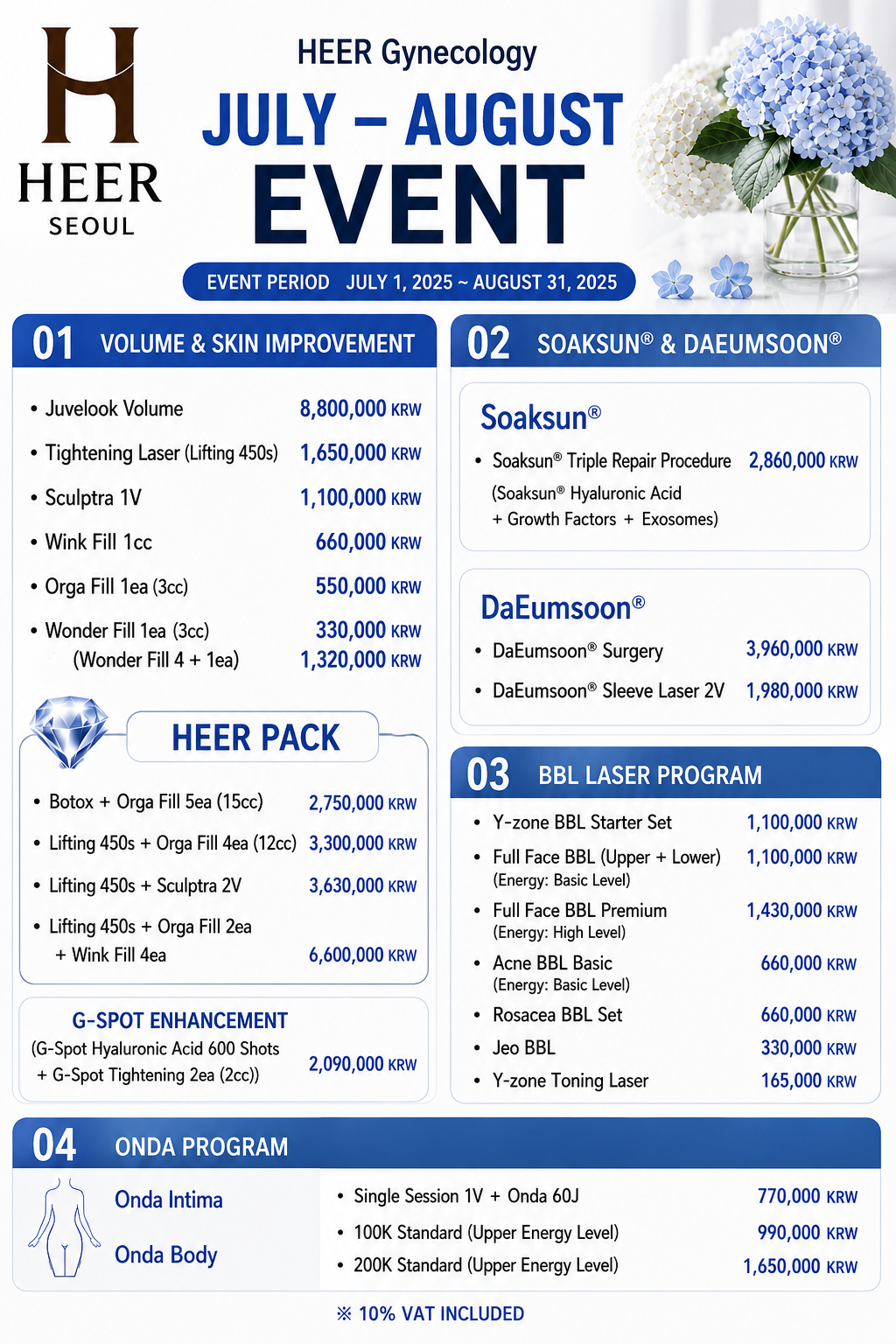
Costs will vary depending on the treatment method and clinic, but here is a general estimate in KRW:
- Initial consultation: ₩30,000–₩70,000
- Ultrasound or imaging tests: ₩80,000–₩200,000
- Pessary fitting and follow-up: ₩100,000–₩300,000
- Pelvic floor therapy (per session): ₩50,000–₩100,000
- Surgical repair (minimally invasive): ₩3,000,000–₩7,000,000
- Hysterectomy (robotic or laparoscopic): ₩4,000,000–₩10,000,000
Residents may be eligible for partial coverage through Korea’s National Health Insurance. Clinics also offer English support for international patients seeking private care.
Top FAQs About Uterine Prolapse
Can uterine prolapse go away on its own? Mild cases can improve with pelvic floor therapy and lifestyle changes, but moderate to severe prolapse often requires long-term management or surgical correction.
Is uterine prolapse dangerous? While not typically life-threatening, it can lead to complications such as urinary retention, infections, or prolapsed vaginal walls if untreated.
Can I still have children with uterine prolapse? Yes, but treatment must be carefully managed if fertility is a priority. Some surgeries preserve the uterus, and conservative methods like pessaries are available.
Will surgery affect sexual function? Most women report improved function after treatment, especially if symptoms like pain or pressure are resolved. Discuss options with your doctor for best outcomes.
How to Prepare for Your Appointment
- Keep a log of symptoms and their frequency
- List your childbirth and surgical history
- Prepare questions about treatment options and recovery
- Be ready to discuss your lifestyle goals (e.g., avoiding surgery, maintaining fertility)