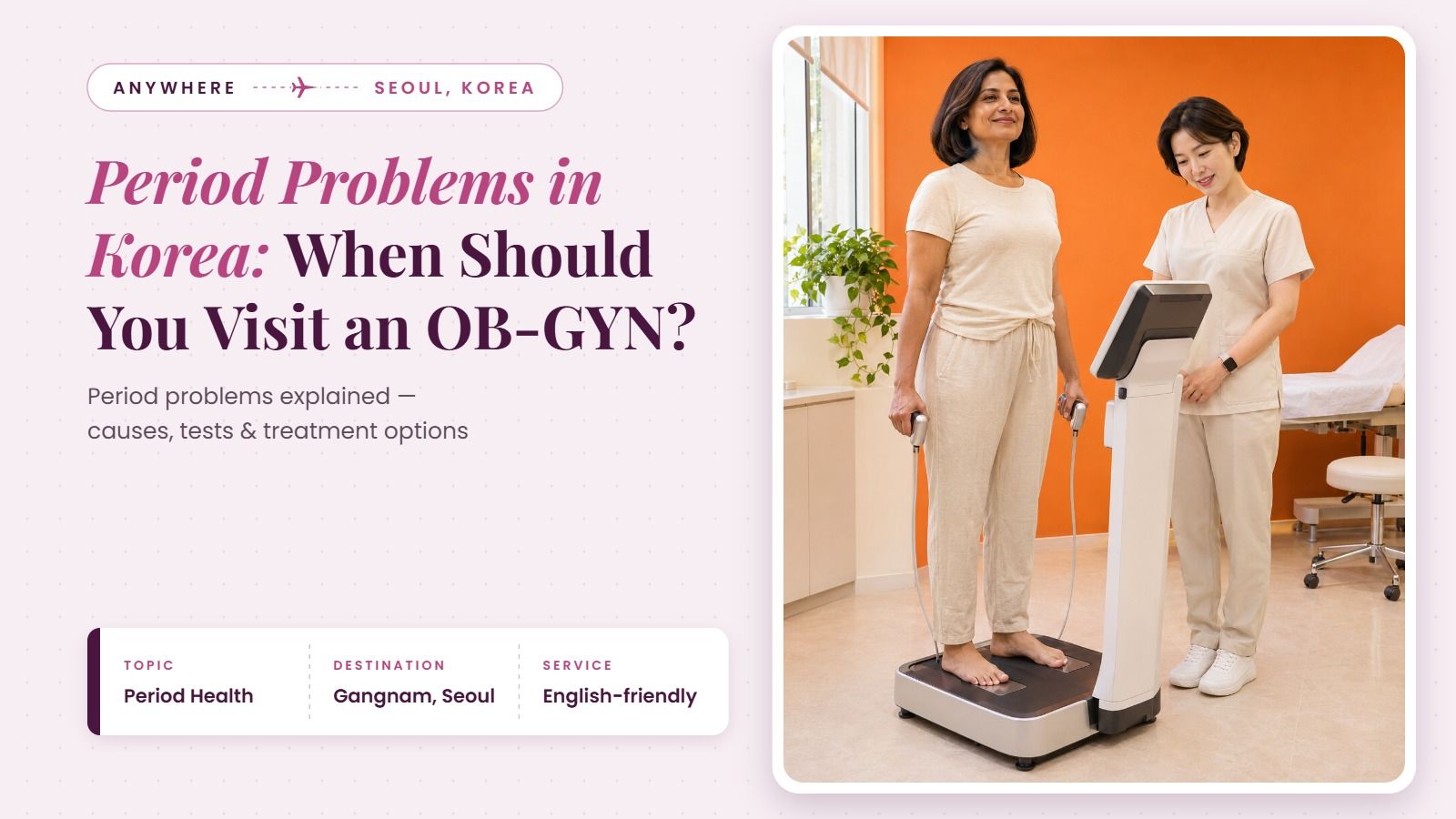
When heavy bleeding is more than an inconvenience — and what can help
Heavy periods mean soaking a pad or tampon every 1–2 hours, passing large clots or bleeding longer than 7 days. Common causes include fibroids, polyps, adenomyosis and hormonal imbalance. An OB-GYN uses ultrasound and blood tests to find the cause, and treatment ranges from medication to a hormonal IUD.
Heavy periods are common, but that doesn't mean you have to put up with them. Heavy menstrual bleeding can affect your energy, work and daily life — and it can sometimes signal a treatable condition. Here's how to recognize it, what causes it and how it's treated.
Signs Your Periods May Be Too Heavy
- Soaking through a pad or tampon every hour or two for several hours
- Needing to change protection during the night
- Passing blood clots larger than a coin
- Periods lasting longer than 7 days
- Feeling tired, short of breath or dizzy — possible signs of anemia
Common Causes
- Uterine fibroids: non-cancerous growths in the uterus
- Adenomyosis: tissue from the uterine lining growing into the muscle wall
- Endometrial polyps
- Hormonal imbalance, including PCOS or thyroid issues
- Copper IUD
- Bleeding disorders
- Less commonly, changes in the uterine lining that need further evaluation
How It's Diagnosed
- A discussion of your cycle and symptoms
- Pelvic ultrasound to look for fibroids, polyps or adenomyosis
- Blood tests to check for anemia, thyroid function and clotting
- Sometimes a hysteroscopy or biopsy of the uterine lining
Treatment Options
- Medications: tranexamic acid or anti-inflammatory drugs taken during your period
- Hormonal treatments: pills or a hormonal IUD, which can greatly reduce bleeding
- Iron supplements for anemia
- Procedures: removal of polyps or fibroids, or other treatments depending on the cause
When to Seek Urgent Care
Go to an emergency room if you're soaking a pad every hour for more than two hours, feel faint, or have heavy bleeding during pregnancy.
Getting Help in English
An English-speaking OB-GYN can examine you, perform an ultrasound the same day and discuss treatments that fit your plans.
Frequently Asked Questions
How do I know if my period is too heavy?
Can heavy periods cause anemia?
What treatments help heavy periods?
Related Guides
Book an English-Speaking OB-GYN Visit in Gangnam
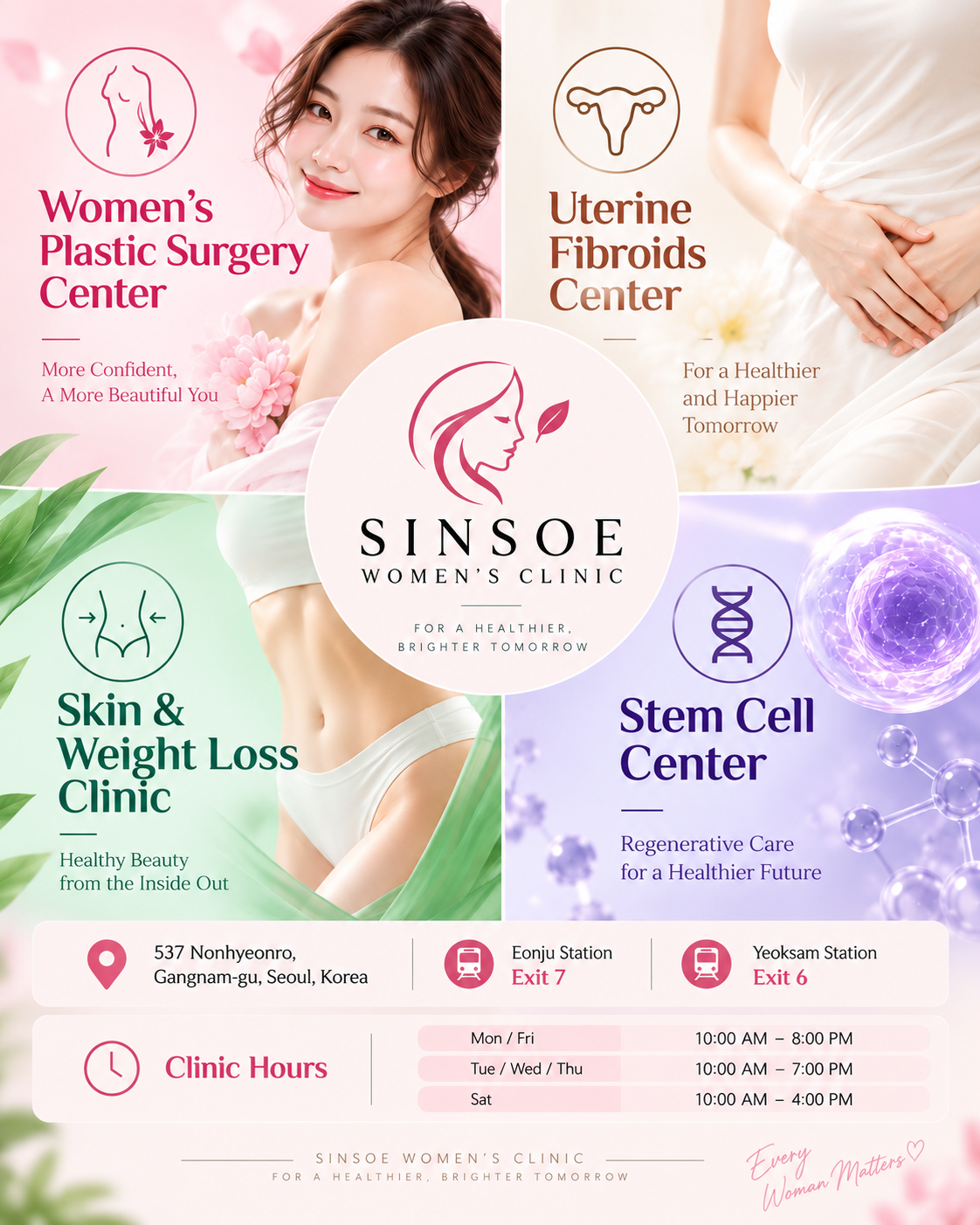
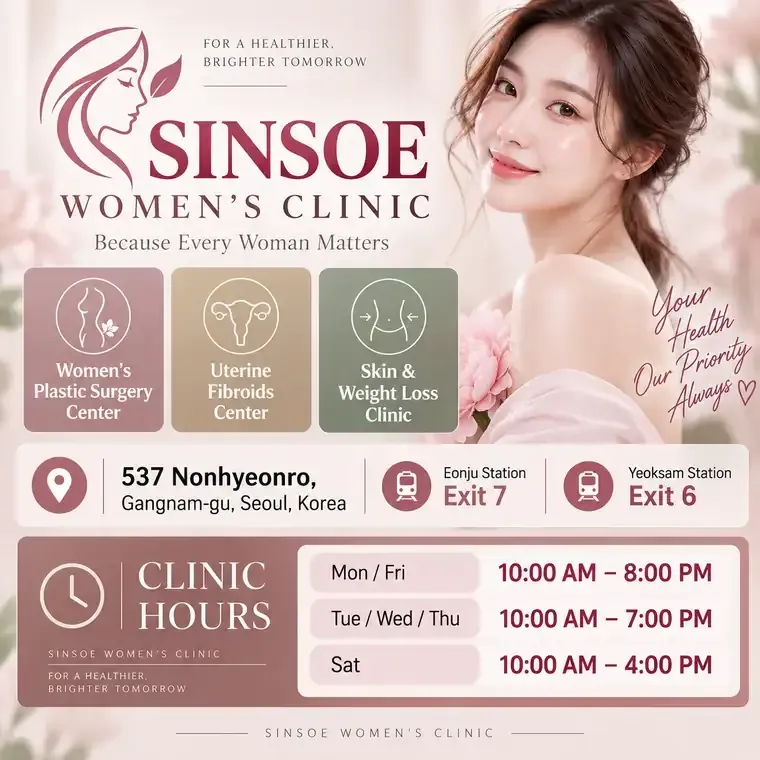
Sinsoe Women's Clinic is a female-led OB-GYN clinic at 537 Nonhyeon-ro, Gangnam-gu, Seoul, a short walk from Eonju Station (Line 9, Exit 7) and Yeoksam Station (Line 2, Exit 6). All physicians are female, board-certified OB-GYNs, and consultations are available in English. Message us on WhatsApp (+82-10-9517-5719) to book.
Hours: Mon & Fri 10:00–20:00 · Tue–Thu 10:00–19:00 · Sat 10:00–16:00 · Closed Sundays
This article is for general information only and is not a substitute for medical advice. Prices and procedures can change — please confirm details directly with the clinic.