Irregular Periods: When Should You See an OB-GYN?
What counts as irregular, common causes and signs that it's time to get checked
Quick answer: A normal cycle usually lasts 21–35 days. See an OB-GYN if your cycles are often outside this range, vary by more than 7–9 days, stop for three months or more, or come with heavy bleeding or pain. Common causes include stress, weight change, PCOS, thyroid problems and perimenopause.
Almost every woman has an irregular cycle at some point — after travel, stress or illness. But ongoing irregular periods can be a sign of an underlying condition that's worth checking. Here's how to tell what's normal and when to see an OB-GYN.

What Counts as a Normal Cycle?
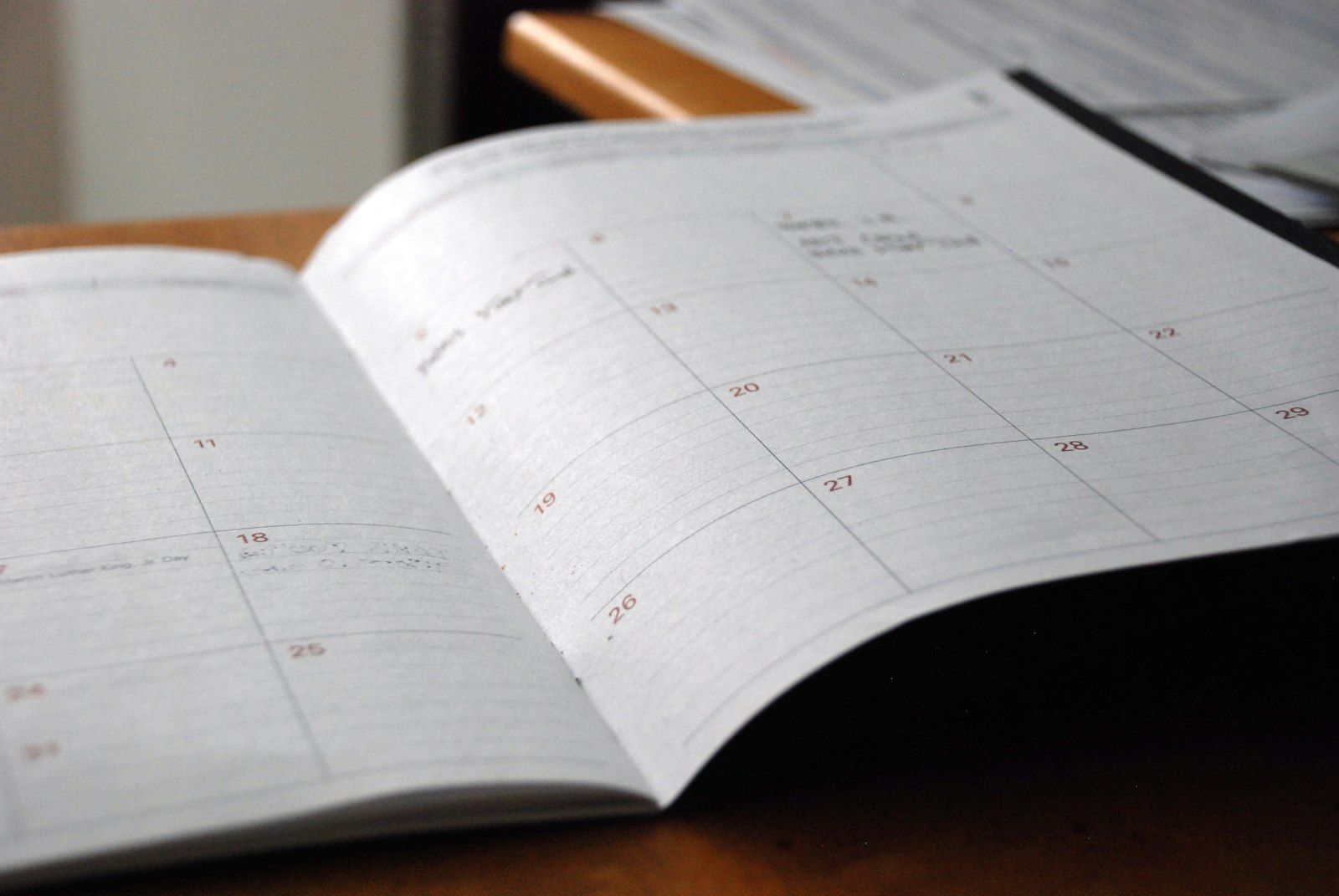
- A cycle (from the first day of one period to the first day of the next) typically lasts 21–35 days.
- Bleeding usually lasts up to about 7 days.
- Small variations of a few days from month to month are normal.
What Counts as Irregular?
- Cycles shorter than 21 days or longer than 35 days
- Cycle length that varies by more than 7–9 days month to month
- Missing periods for three months or more
- Bleeding between periods
Common Causes
- Stress, travel and lifestyle changes — moving to a new country is a common trigger.
- Significant weight change or intense exercise
- Polycystic ovary syndrome (PCOS)
- Thyroid disorders
- High prolactin levels
- Hormonal contraception — starting, stopping or switching methods
- Perimenopause — usually in your 40s
- Pregnancy — always rule this out first
When to See an OB-GYN
- No period for three months (and you're not pregnant)
- Cycles regularly shorter than 21 or longer than 35 days
- Very heavy bleeding or periods lasting longer than 7 days
- Bleeding after sex or after menopause
- Irregular periods with acne, excess hair growth or weight changes
- Difficulty getting pregnant
What to Expect at Your Visit
Your doctor will ask about your cycle history and may recommend a pregnancy test, pelvic ultrasound and blood tests for hormones and thyroid function. Tracking your periods in an app for a few months before your visit is very helpful.
Treatment
Treatment depends on the cause and your goals — for example, regulating your cycle, managing PCOS, treating a thyroid condition or helping you conceive. Many causes are easily treatable once identified.
Frequently Asked Questions
Is it normal for periods to be irregular sometimes?
An occasional early or late period is common, especially with stress, travel or illness, but persistent irregularity should be checked.
What tests check irregular periods?
A doctor may use a pregnancy test, pelvic ultrasound and blood tests for hormones and thyroid function.
Can moving to Korea affect my period?
Stress, jet lag, diet and routine changes can temporarily disrupt your cycle.
Related Guides
- PCOS Treatment in Korea: Symptoms, Diagnosis & Options
- Late Period but Not Pregnant: Common Causes & When to See a Doctor
- Period Problems in Korea: When Should You Visit an OB-GYN?
- Heavy Periods: Causes, Diagnosis & Treatment
- Complete Guide to Women's Healthcare in Korea for Foreigners
Book an English-Speaking OB-GYN Visit in Gangnam
Sinsoe Women's Clinic is a female-led OB-GYN clinic at 537 Nonhyeon-ro, Gangnam-gu, Seoul, a short walk from Eonju Station (Line 9, Exit 7) and Yeoksam Station (Line 2, Exit 6). All physicians are female, board-certified OB-GYNs, and consultations are available in English. Message us on WhatsApp (+82-10-9517-5719) to book.
Hours: Mon & Fri 10:00–20:00 · Tue–Thu 10:00–19:00 · Sat 10:00–16:00 · Closed Sundays
This article is for general information only and is not a substitute for medical advice. Prices and procedures can change — please confirm details directly with the clinic.