Bleeding Between Periods: When Should You See a Gynecologist?
Spotting can be harmless, but some causes need checking
Quick answer: Spotting between periods can be harmless, such as around ovulation or in the first months of new contraception, but it can also be caused by polyps, fibroids, infection, cervical changes or pregnancy. See a gynecologist if it happens repeatedly, after sex or after menopause.
Bleeding or spotting between periods — also called intermenstrual bleeding — is common and often harmless, especially with hormonal contraception. But it can also signal conditions that need attention. Here's when to see a gynecologist.
Common, Often Harmless Causes
- Hormonal contraception: spotting is common in the first months of pills, implants or hormonal IUDs, or after missed pills.
- Ovulation spotting: light bleeding mid-cycle in some women.
- Hormonal fluctuations: stress, travel or perimenopause.
Causes That Need Checking
- Infections: including chlamydia and gonorrhea
- Cervical or endometrial polyps
- Uterine fibroids
- Cervical changes: including those detected by Pap smear
- Pregnancy-related bleeding, including ectopic pregnancy
- Thyroid problems
When to See a Gynecologist
- Spotting that continues for more than three months on hormonal contraception
- Bleeding between periods without an obvious cause
- Bleeding after sex
- Bleeding with pelvic pain, fever or unusual discharge
- Any bleeding after menopause
- A possible pregnancy
What Tests to Expect
- Pregnancy test
- Pelvic exam
- STI tests
- Pap smear and HPV test if due
- Pelvic ultrasound
Treatment
Treatment depends on the cause — for example, adjusting contraception, treating an infection or removing a polyp.
Track It
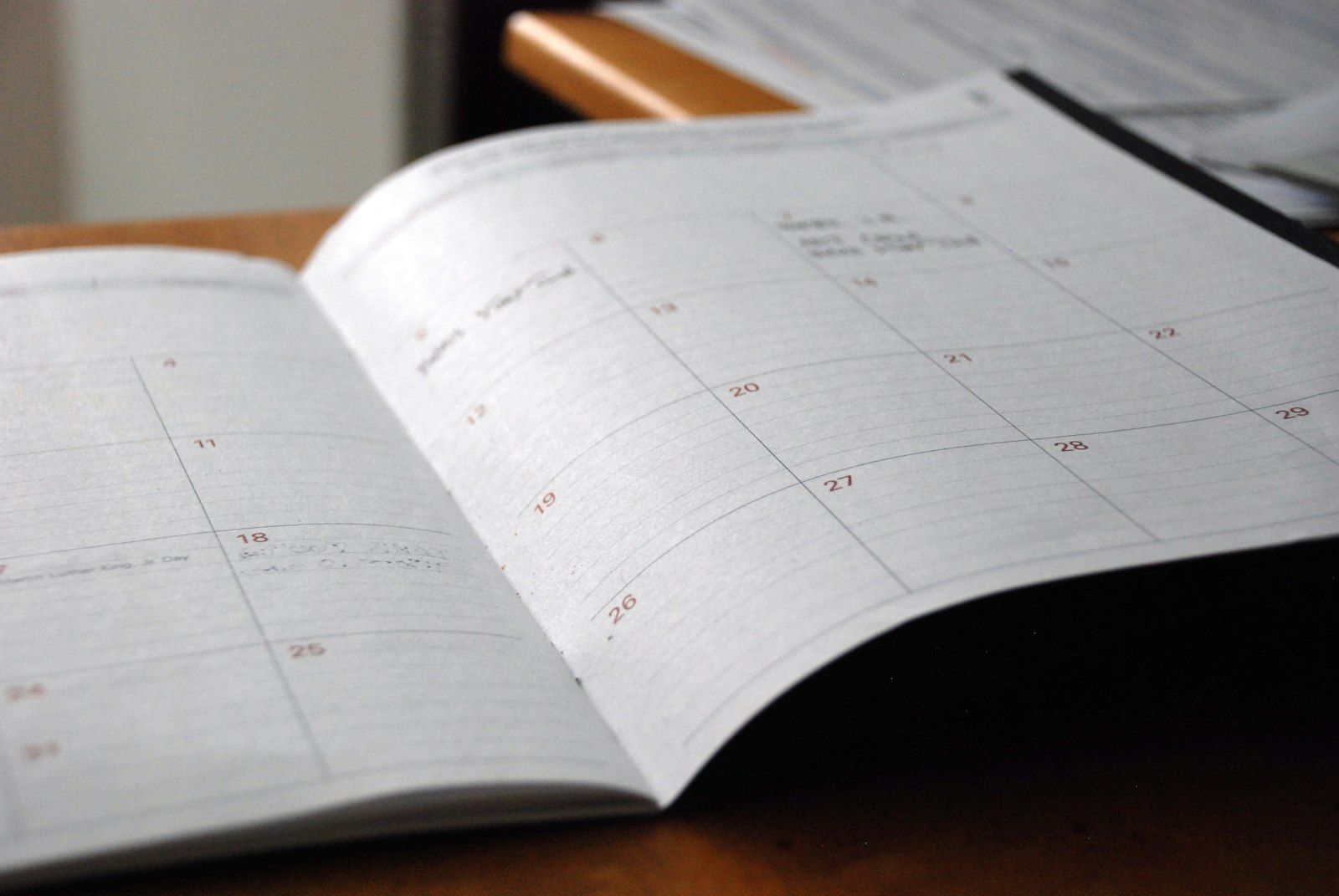
Note when bleeding happens, how heavy it is and any related symptoms. This helps your doctor find the cause quickly.
Frequently Asked Questions
Is spotting between periods normal?
Occasional light spotting can be normal, especially with hormonal contraception, but repeated bleeding should be checked.
What tests will the gynecologist do?
Usually a pregnancy test, pelvic exam, Pap smear or HPV test, STI swabs and a transvaginal ultrasound.
Is bleeding after menopause serious?
Any bleeding after menopause should always be checked by a doctor.
Related Guides
- Bleeding After Sex: Common Causes & When to Get Checked
- Heavy Periods: Causes, Diagnosis & Treatment
- Pap Smear in Korea: A Guide for Foreign Women
- Uterine Fibroids Treatment in Korea: What Foreign Patients Should Know
- Complete Guide to Women's Healthcare in Korea for Foreigners
Book an English-Speaking OB-GYN Visit in Gangnam
Sinsoe Women's Clinic is a female-led OB-GYN clinic at 537 Nonhyeon-ro, Gangnam-gu, Seoul, a short walk from Eonju Station (Line 9, Exit 7) and Yeoksam Station (Line 2, Exit 6). All physicians are female, board-certified OB-GYNs, and consultations are available in English. Message us on WhatsApp (+82-10-9517-5719) to book.
Hours: Mon & Fri 10:00–20:00 · Tue–Thu 10:00–19:00 · Sat 10:00–16:00 · Closed Sundays
This article is for general information only and is not a substitute for medical advice. Prices and procedures can change — please confirm details directly with the clinic.