Pap Smear in Korea: A Guide for Foreign Women
How cervical screening works in Korea, how to prepare and what it costs
Quick answer: A Pap smear in Korea is a quick test where the doctor collects cells from the cervix to check for changes that could lead to cervical cancer. It takes a few minutes, is often done with an HPV test, and results usually arrive within about a week. Book when you are not on your period.
A Pap smear is a quick test that screens for changes in the cells of the cervix. Regular screening is one of the most effective ways to prevent cervical cancer. If you're a foreign woman in Korea, here's how Pap smears work, how to prepare and what they cost.
What Is a Pap Smear?
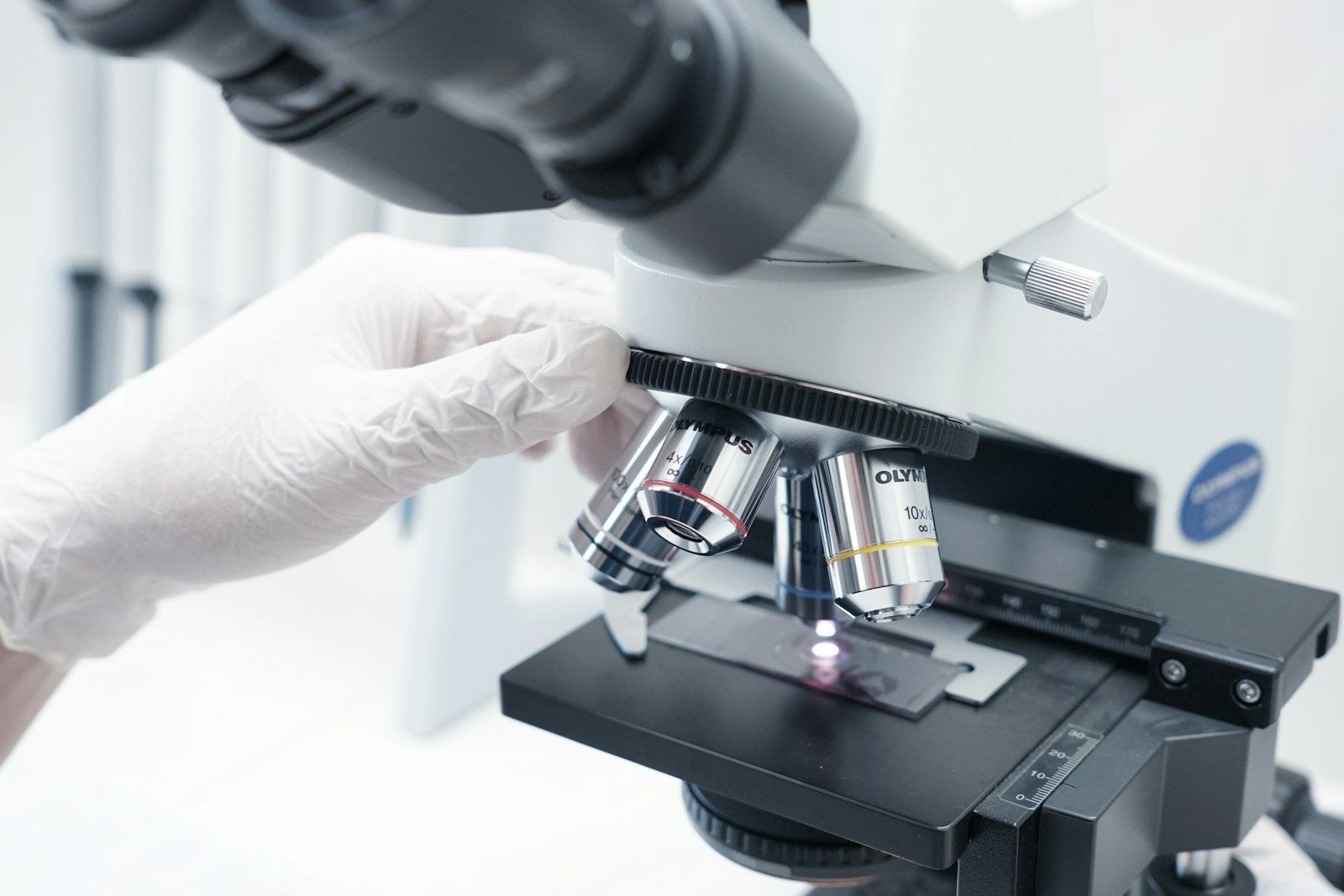
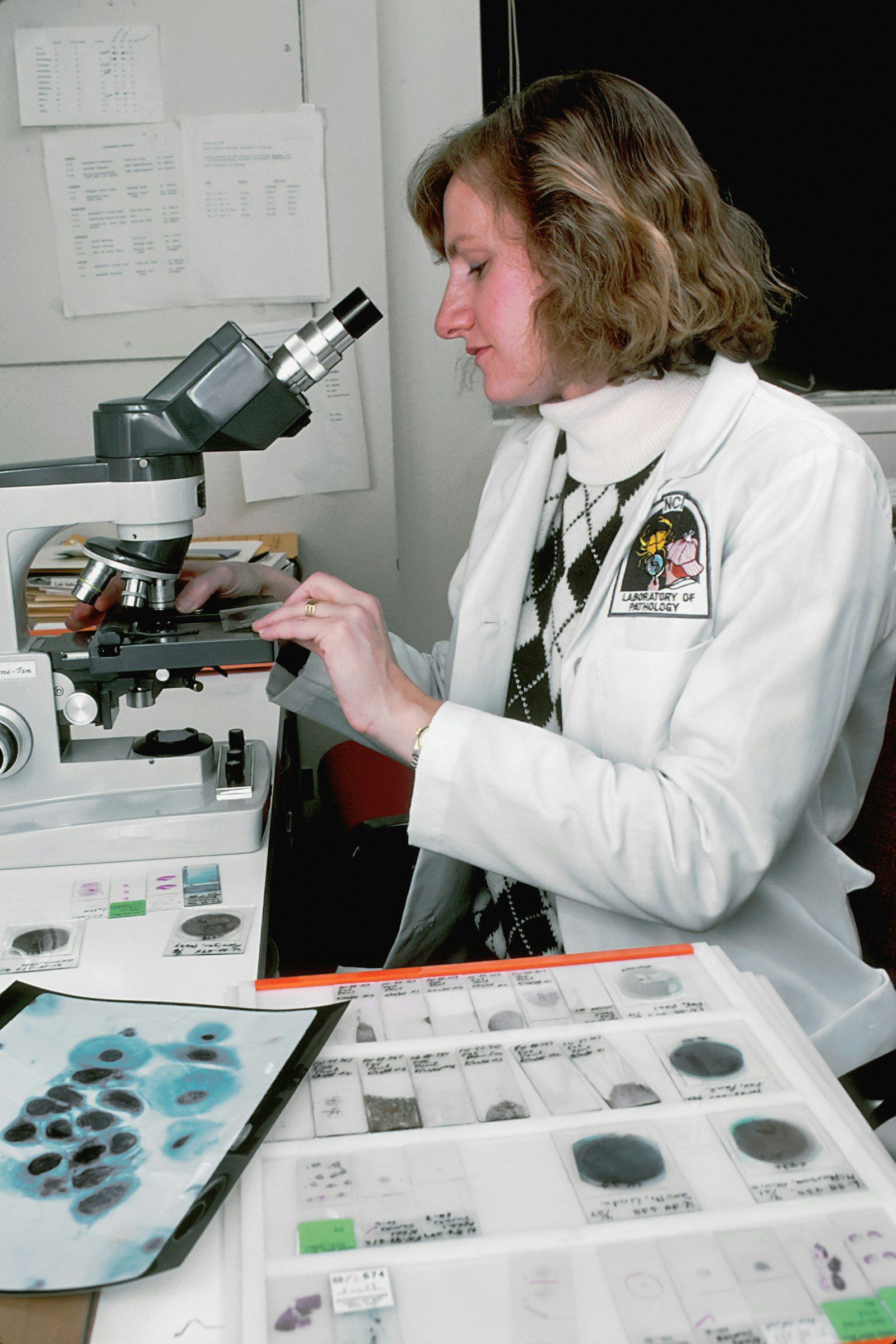
A Pap smear (cervical cytology) collects cells from the cervix so they can be examined under a microscope for abnormal changes. Detecting changes early allows them to be monitored or treated before they become serious.
Cervical Screening in Korea
Korea's National Health Insurance program offers cervical cancer screening for eligible insured women aged 20 and older every two years. If you are enrolled in NHIS, you may receive a screening notice. If you're not eligible, you can still have a Pap smear at a private clinic.
How to Prepare
- Book outside your period — mid-cycle is ideal.
- Avoid sex, tampons, douching and vaginal creams for 24–48 hours before the test.
- Bring your passport or ARC and any previous results.
What Happens During the Test
- You'll change into a gown or skirt and sit on the exam chair.
- A speculum is gently inserted to view the cervix.
- A small brush or spatula collects cells.
The test takes only a minute or two. It may feel uncomfortable but shouldn't be painful.
Approximate Cost
If done through the national screening program, the cost may be covered. At a private clinic, a Pap smear on its own often costs around ₩30,000–70,000, and more if combined with an HPV test or liquid-based cytology. Ask the clinic for exact prices.
Getting Your Results
Results usually take about one week. Ask your clinic to explain the result in English and provide a copy for your records.
How Often Should You Be Screened?
Screening intervals depend on your age, previous results and whether HPV testing is included. Your doctor will recommend a schedule that suits you.
Tips for Foreign Patients
- Request a female doctor if you'd feel more comfortable.
- Ask for results in English.
- Keep copies to share with doctors in other countries.
Frequently Asked Questions
How should I prepare for a Pap smear?
Avoid sex, vaginal creams and douching for about 48 hours before, and schedule it when you are not menstruating.
How often should I have a Pap smear?
Many guidelines recommend screening every three years from your 20s, or every five years with co-testing from 30; your doctor will advise based on your history.
Does a Pap smear hurt?
It may feel uncomfortable for a moment but is usually not painful. Tell the doctor if you feel anxious so they can go slowly.
Related Guides
- Pap Smear vs HPV Test: What's the Difference?
- HPV Test in Korea: Cost, Procedure & Results Explained
- Abnormal Pap Smear in Korea: What Happens Next?
- Gynecology Checkup in Gangnam: Tests, Costs & What to Expect
- Complete Guide to Women's Healthcare in Korea for Foreigners
Book an English-Speaking OB-GYN Visit in Gangnam
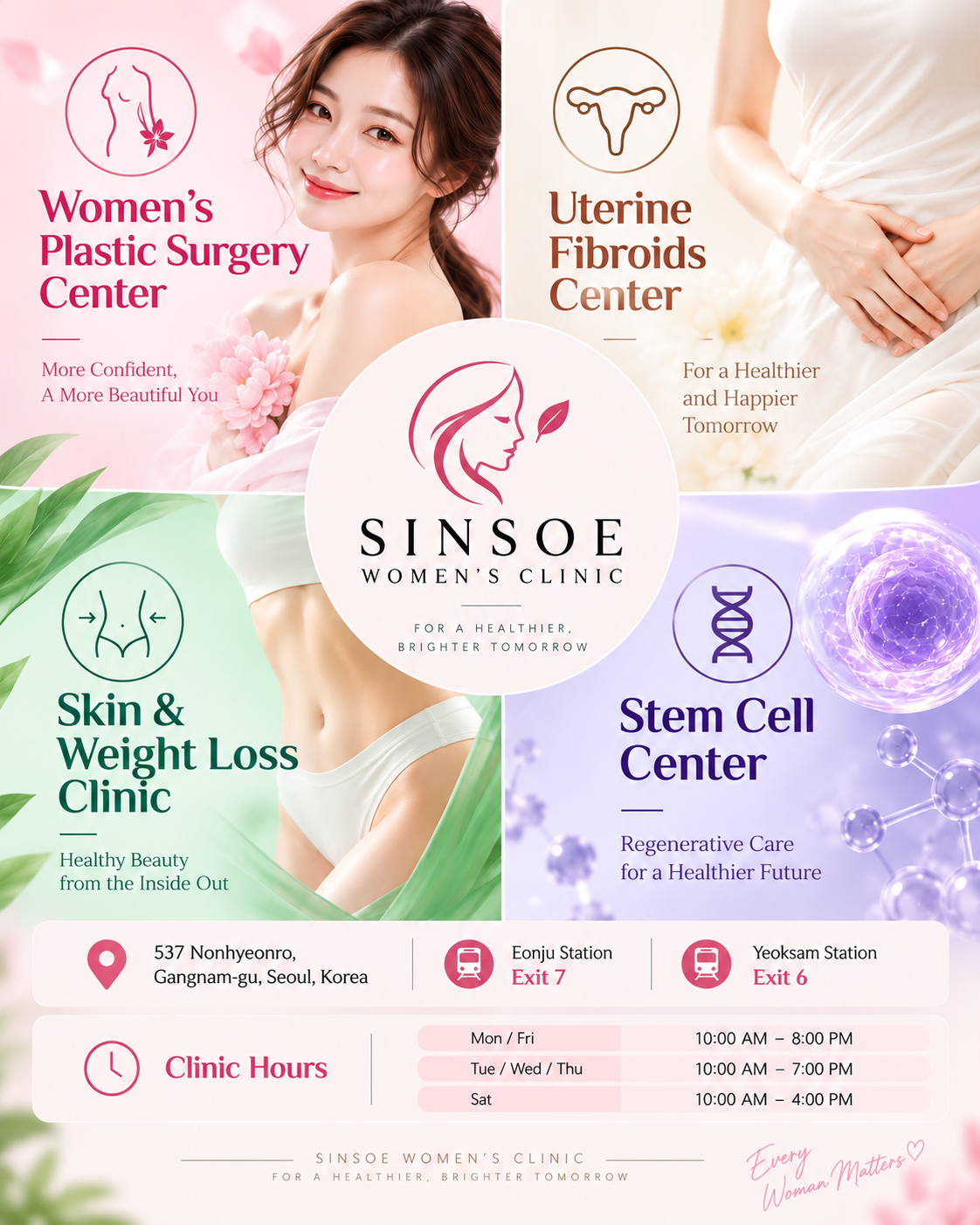
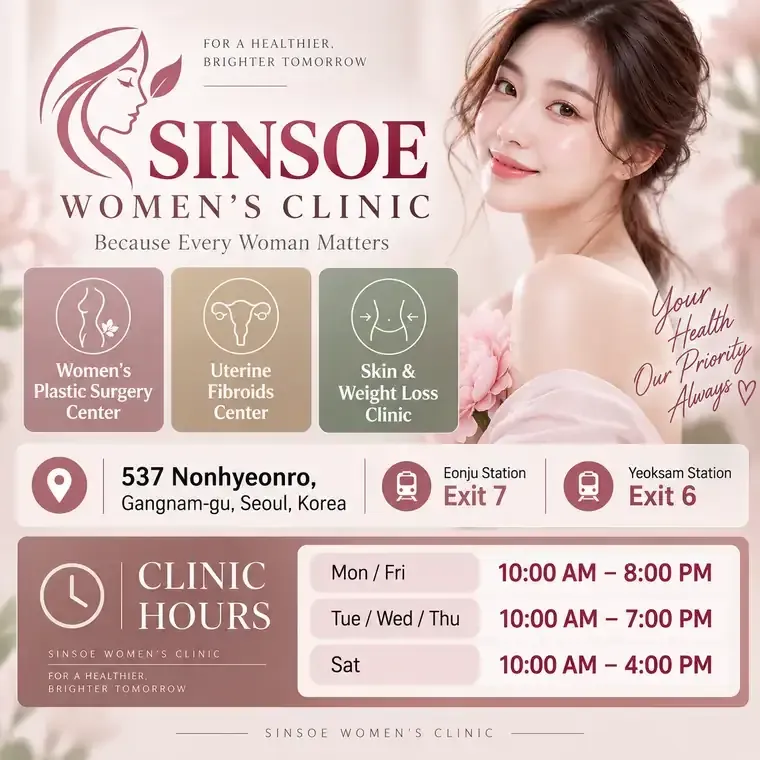
Sinsoe Women's Clinic is a female-led OB-GYN clinic at 537 Nonhyeon-ro, Gangnam-gu, Seoul, a short walk from Eonju Station (Line 9, Exit 7) and Yeoksam Station (Line 2, Exit 6). All physicians are female, board-certified OB-GYNs, and consultations are available in English. Message us on WhatsApp (+82-10-9517-5719) to book.
Hours: Mon & Fri 10:00–20:00 · Tue–Thu 10:00–19:00 · Sat 10:00–16:00 · Closed Sundays
This article is for general information only and is not a substitute for medical advice. Prices and procedures can change — please confirm details directly with the clinic.