Gynecology Checkup in Gangnam: Tests, Costs & What to Expect
A clear breakdown of common gynecology tests, approximate prices and the checkup process in Gangnam
Quick answer: A gynecology checkup in Gangnam typically takes 30–60 minutes and includes a consultation, pelvic exam, transvaginal ultrasound and a Pap smear, with optional HPV, STI and blood tests. Ultrasound results are explained the same day, while lab results usually take a few days.
A gynecology checkup in Gangnam can usually be completed in a single visit, with ultrasound results explained on the spot and lab results ready within days. Here's what the main tests are, what they check for, and roughly what they cost.
The Checkup, Step by Step
- Registration with your passport or ARC
- Consultation about your history and any symptoms
- Pelvic exam and sample collection (Pap, HPV, STD swabs as needed)
- Ultrasound of the uterus and ovaries
- Review of immediate findings with the doctor
- Payment and follow-up plan for lab results
Most checkups take 30–60 minutes, including waiting time.
Common Tests and What They Check
- Pap smear (cervical cytology): looks for abnormal cervical cells that could lead to cancer.
- HPV test: detects high-risk types of human papillomavirus, the main cause of cervical cancer.
- Transvaginal or pelvic ultrasound: checks for fibroids, ovarian cysts, endometrial thickening and other structural changes.
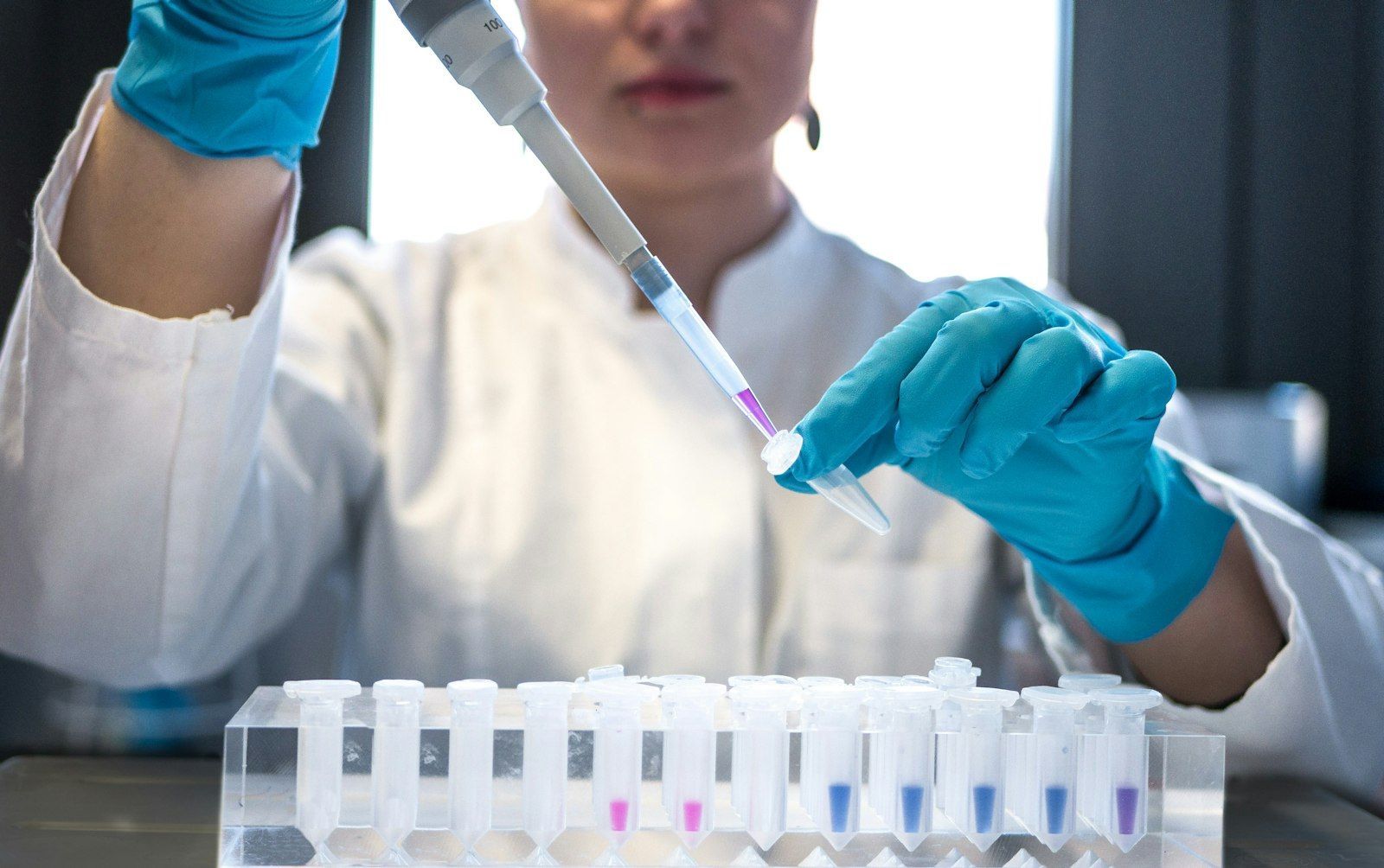
- STD PCR panel: tests for infections such as chlamydia, gonorrhea, mycoplasma, trichomonas and others from a single sample.
- Vaginitis tests: identify bacterial vaginosis or yeast infections causing discharge or itching.
- Blood tests: anemia, thyroid function, hormone levels (e.g., AMH for ovarian reserve), or other markers as indicated.
- Urine test: urinary tract infection or pregnancy.
Approximate Costs in Gangnam
Prices vary by clinic and insurance status. As a rough guide for uninsured patients:
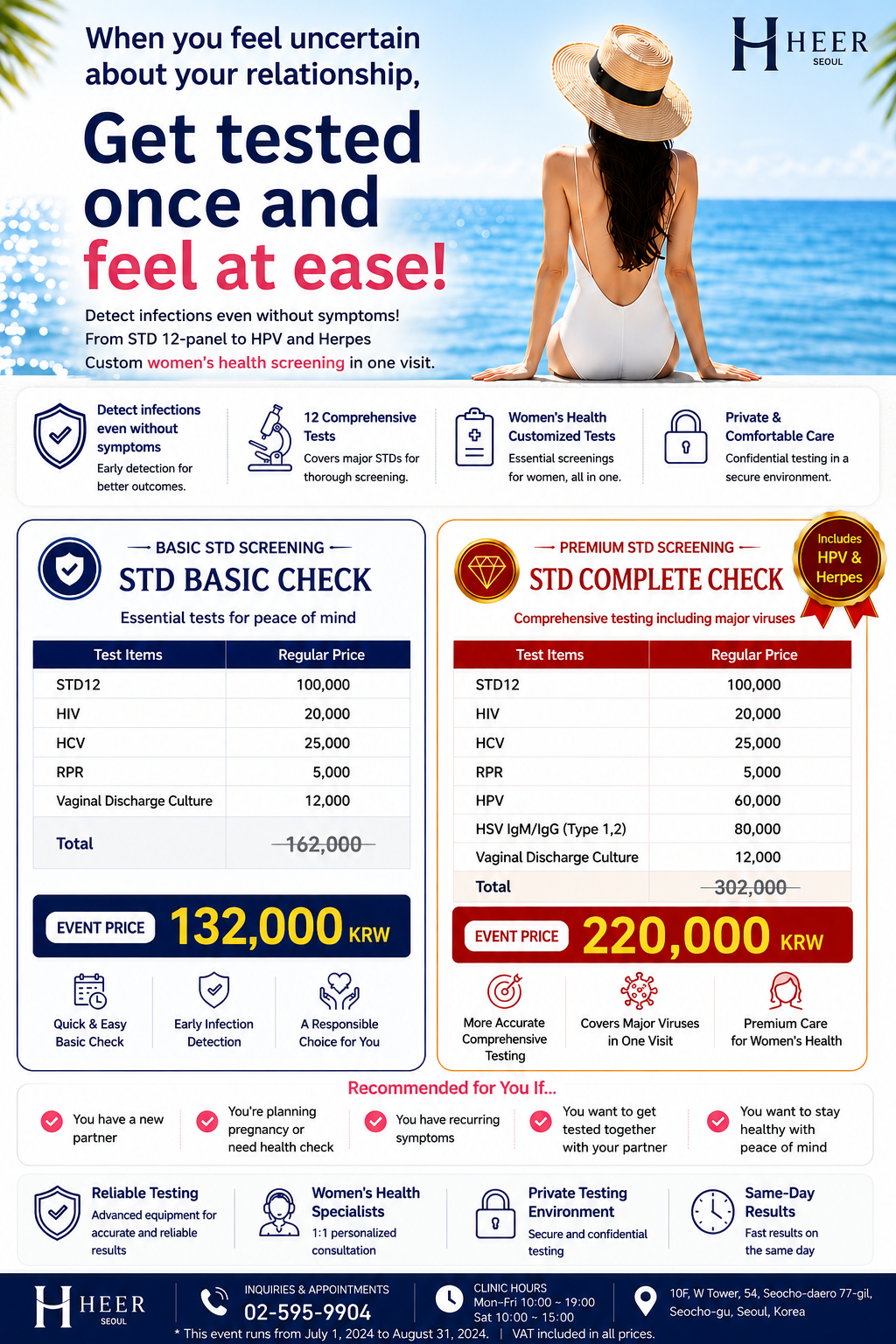
- Pap smear: ~₩30,000–70,000
- HPV test: ~₩50,000–100,000
- Pelvic/transvaginal ultrasound: ~₩50,000–150,000
- STD PCR panel: ~₩100,000–200,000
- AMH (ovarian reserve) blood test: ~₩50,000–100,000
- Bundled women's checkup packages: from ~₩150,000 upward
With National Health Insurance, tests ordered for symptoms are often partly covered, which can lower costs significantly. Always ask for an estimate first.
When You'll Get Results
- Ultrasound: immediately
- Urine tests: same day
- STD PCR and vaginitis tests: usually within a few days
- Pap smear and HPV: usually about one week
How Often Should You Get Checked?
Many women benefit from a gynecology checkup every one to two years, but the right schedule depends on your age, previous results and risk factors. Your doctor will advise you.
Frequently Asked Questions
How long do Pap smear and HPV results take in Korea?
Results usually arrive within about one week, and the clinic can share them by message or at a follow-up visit.
Can I have a gynecology checkup during my period?
It is usually better to book when you are not bleeding, as blood can affect Pap smear results. Ultrasound can still be done if needed.
Do I need to fast before a gynecology checkup?
Not for a standard checkup. Fasting is only needed if certain blood tests, such as glucose or cholesterol, are included.
Related Guides
- Women's Health Checkup in Seoul: A Guide for Foreigners
- Pap Smear in Korea: A Guide for Foreign Women
- Vaginal Ultrasound in Korea: What to Expect, Cost & Preparation
- OB-GYN Visit Cost in Korea: What Foreign Patients Should Expect
- Complete Guide to Women's Healthcare in Korea for Foreigners
Book an English-Speaking OB-GYN Visit in Gangnam
Sinsoe Women's Clinic is a female-led OB-GYN clinic at 537 Nonhyeon-ro, Gangnam-gu, Seoul, a short walk from Eonju Station (Line 9, Exit 7) and Yeoksam Station (Line 2, Exit 6). All physicians are female, board-certified OB-GYNs, and consultations are available in English. Message us on WhatsApp (+82-10-9517-5719) to book.
Hours: Mon & Fri 10:00–20:00 · Tue–Thu 10:00–19:00 · Sat 10:00–16:00 · Closed Sundays
This article is for general information only and is not a substitute for medical advice. Prices and procedures can change — please confirm details directly with the clinic.