Chlamydia Testing and Treatment in Korea
A common and very treatable infection — here's how testing and treatment work
Quick answer: Chlamydia is one of the most common STIs and often has no symptoms. In Korea it is diagnosed with a PCR test on a vaginal swab or urine sample and treated with antibiotics. Partners should be treated too, and retesting is often advised about three months later.
Chlamydia is one of the most common sexually transmitted infections — and one of the easiest to treat. Because it often causes no symptoms, many people don't realize they have it. Here's how chlamydia testing and treatment work in Korea.
Why Chlamydia Matters
Untreated chlamydia can spread to the uterus and fallopian tubes, causing pelvic inflammatory disease (PID). PID can lead to chronic pelvic pain, ectopic pregnancy and fertility problems. Early testing and treatment prevent these complications.
Possible Symptoms
- Unusual vaginal discharge
- Burning when urinating
- Bleeding between periods or after sex
- Lower abdominal pain
Many women have no symptoms at all, which is why routine testing is important.
How Testing Works
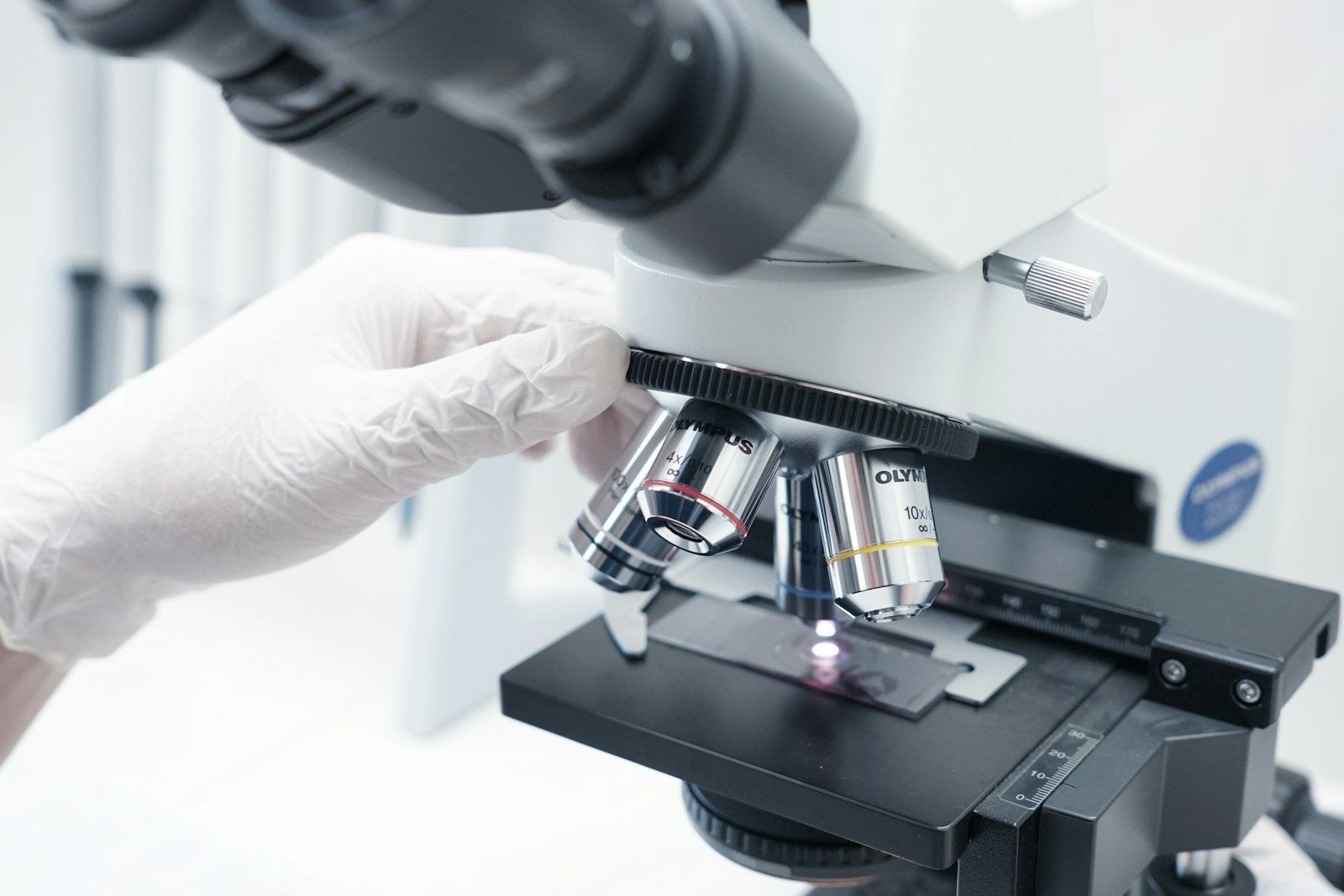
Chlamydia is diagnosed with a PCR test, which detects the bacteria's genetic material with high accuracy. The sample is usually a vaginal swab or urine sample and is often part of a multiplex STD panel. Results generally take a few days.
Treatment
Chlamydia is treated with antibiotics. A common regimen is a 7-day course of doxycycline; alternative antibiotics are used in pregnancy or if there are allergies. It's important to:
- Take the full course exactly as prescribed
- Avoid sex until treatment is complete and symptoms have resolved
- Make sure partners are tested and treated
Retesting
Reinfection is common, especially if a partner wasn't treated. Many doctors recommend retesting about three months after treatment.
Approximate Costs
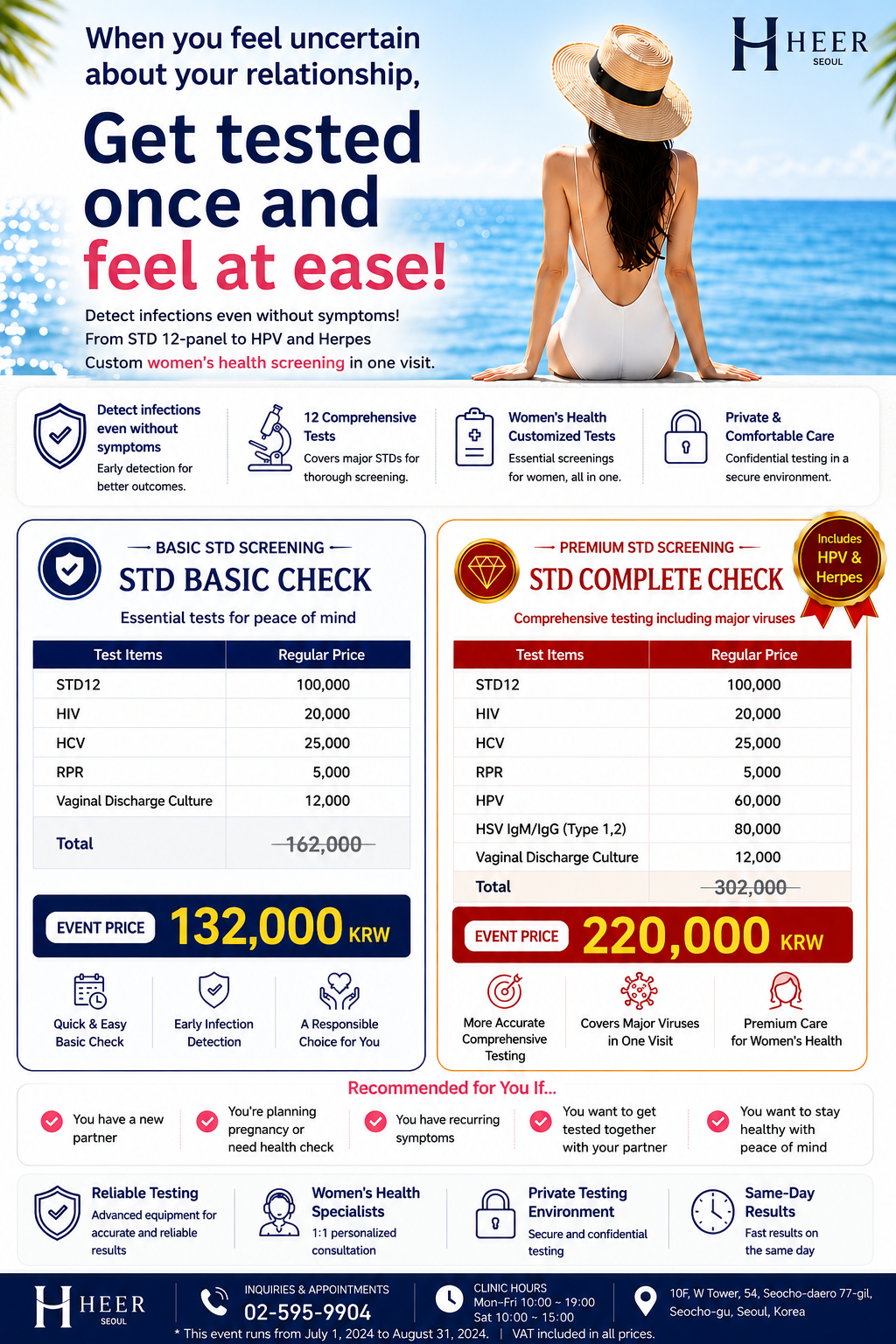
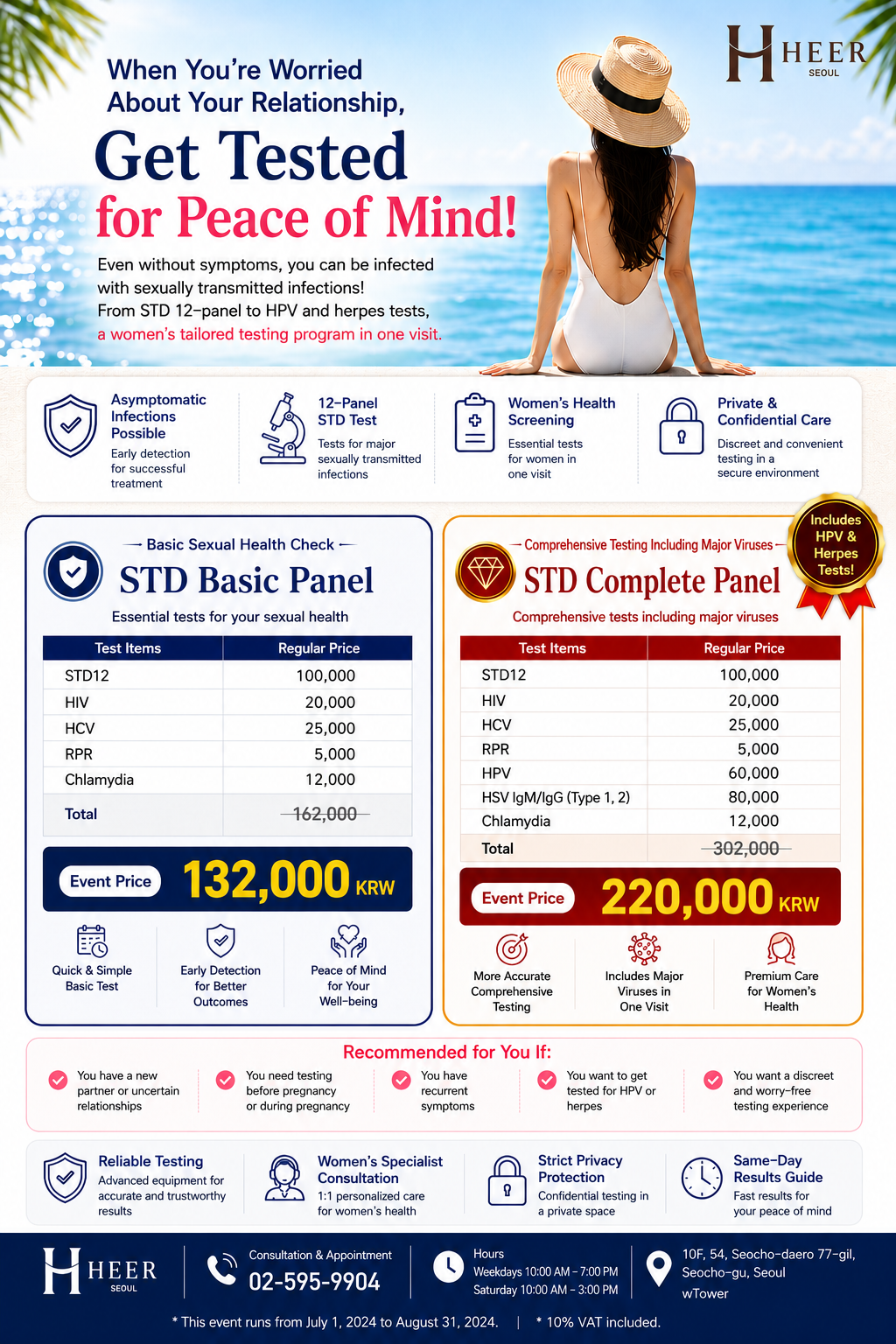
A chlamydia PCR test alone is relatively affordable, while a full STD panel costs more. If you have symptoms and NHIS coverage, part of the cost may be covered. Antibiotics are inexpensive.
Getting Tested in English
An English-speaking OB-GYN can explain your results clearly, prescribe the right treatment and advise on partner notification and future prevention — all confidentially.
Frequently Asked Questions
Can chlamydia go away without treatment?
It may persist for months and can lead to pelvic inflammatory disease and fertility problems, so testing and treatment are important.
How long after treatment can I have sex?
Usually wait 7 days after finishing treatment and until your partner has also been treated.
Can chlamydia affect fertility?
Untreated infection can damage the fallopian tubes, which is why it is checked in many fertility evaluations.
Related Guides
- STD Testing in Gangnam: A Foreigner's Guide
- STI Testing in Seoul: Tests, Costs & Confidential Care
- Fertility Checkup in Korea: Tests, Costs & What to Expect
- Pelvic Pain in Women: Common Causes & When to Seek Care
- Complete Guide to Women's Healthcare in Korea for Foreigners
Book an English-Speaking OB-GYN Visit in Gangnam
Sinsoe Women's Clinic is a female-led OB-GYN clinic at 537 Nonhyeon-ro, Gangnam-gu, Seoul, a short walk from Eonju Station (Line 9, Exit 7) and Yeoksam Station (Line 2, Exit 6). All physicians are female, board-certified OB-GYNs, and consultations are available in English. Message us on WhatsApp (+82-10-9517-5719) to book.
Hours: Mon & Fri 10:00–20:00 · Tue–Thu 10:00–19:00 · Sat 10:00–16:00 · Closed Sundays
This article is for general information only and is not a substitute for medical advice. Prices and procedures can change — please confirm details directly with the clinic.