Emergency Contraception in Korea: How to Get the Morning-After Pill
Why you need a prescription in Korea, how fast to act and what to expect
Quick answer: In Korea, the morning-after pill requires a doctor’s prescription, so you need to visit a clinic first and then fill it at a pharmacy. It works best the sooner it is taken — ideally within 24 hours — and some pills are effective up to 72 or 120 hours. A copper IUD is also an emergency option.
If you've had unprotected sex or a contraceptive failure, such as a broken condom or missed pills, emergency contraception can significantly reduce the chance of pregnancy. In Korea, there is one important difference from many countries: the morning-after pill requires a doctor's prescription. Here's how to get it quickly.
Why Timing Matters
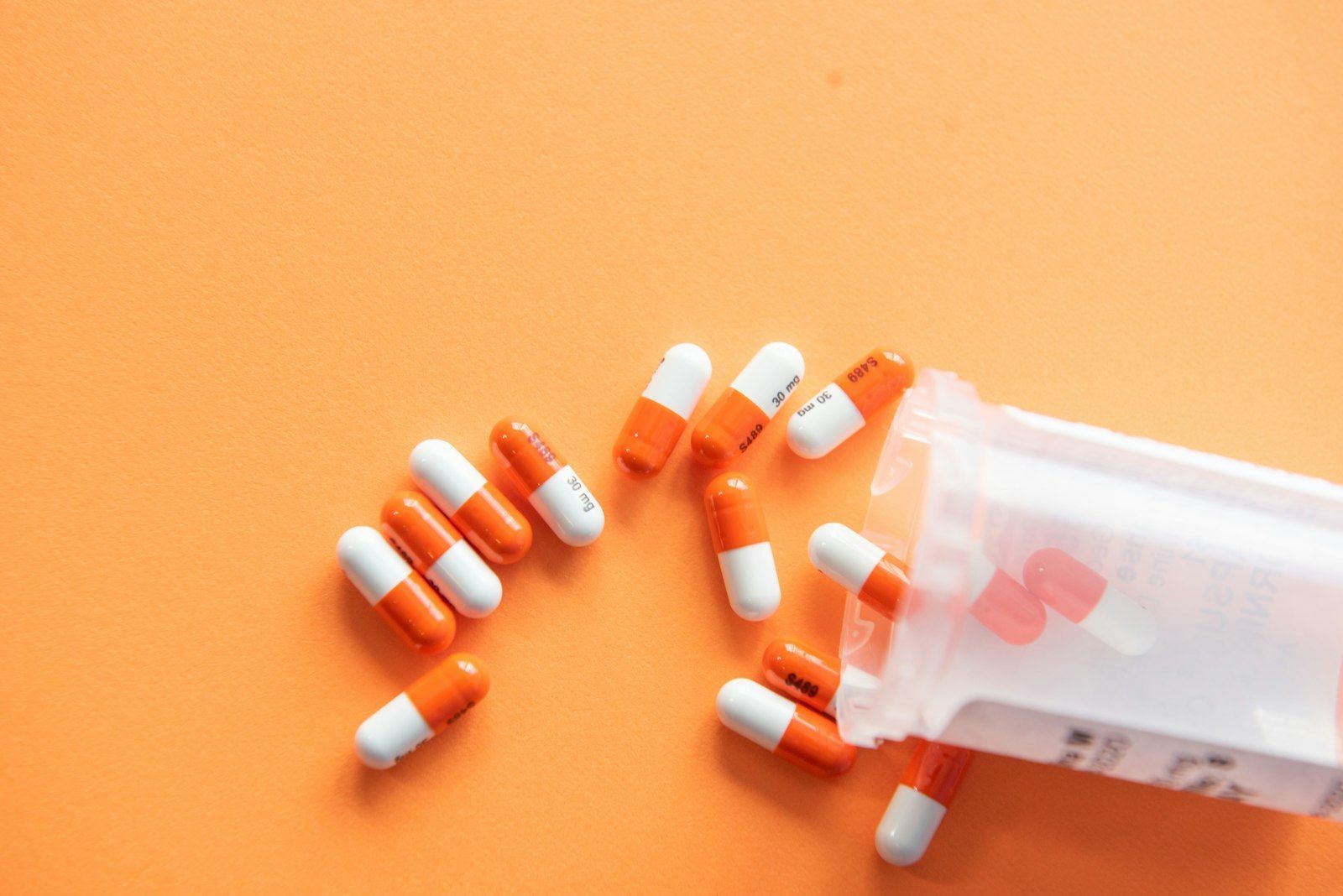
Emergency contraception works best the sooner it is taken. Don't wait until the last possible hour — visit a clinic as soon as you can, ideally the same day.
Types of Emergency Contraception
- Levonorgestrel pill: most effective when taken as soon as possible, ideally within 72 hours of unprotected sex.
- Ulipristal acetate pill: can be used up to 120 hours (5 days) after unprotected sex and remains more effective later in that window.
- Copper IUD: the most effective form of emergency contraception when inserted within five days, and it continues to provide long-term contraception.
How to Get It in Korea
- Visit an OB-GYN clinic (or another doctor's clinic) and explain that you need emergency contraception.
- The doctor will ask when the unprotected sex occurred, the date of your last period and about any medications.
- You'll receive a prescription to take to a nearby pharmacy.
- Take the pill as instructed — often immediately.
What It Costs
Emergency contraception is generally not covered by insurance. The total cost — consultation plus medication — commonly ranges from a few tens of thousands of won, depending on the type of pill and clinic. A copper IUD costs more but also provides ongoing contraception.
What to Expect Afterwards
- Nausea, headache, breast tenderness or mild cramps can occur.
- Your next period may come earlier or later than expected.
- If your period is more than seven days late, take a pregnancy test.
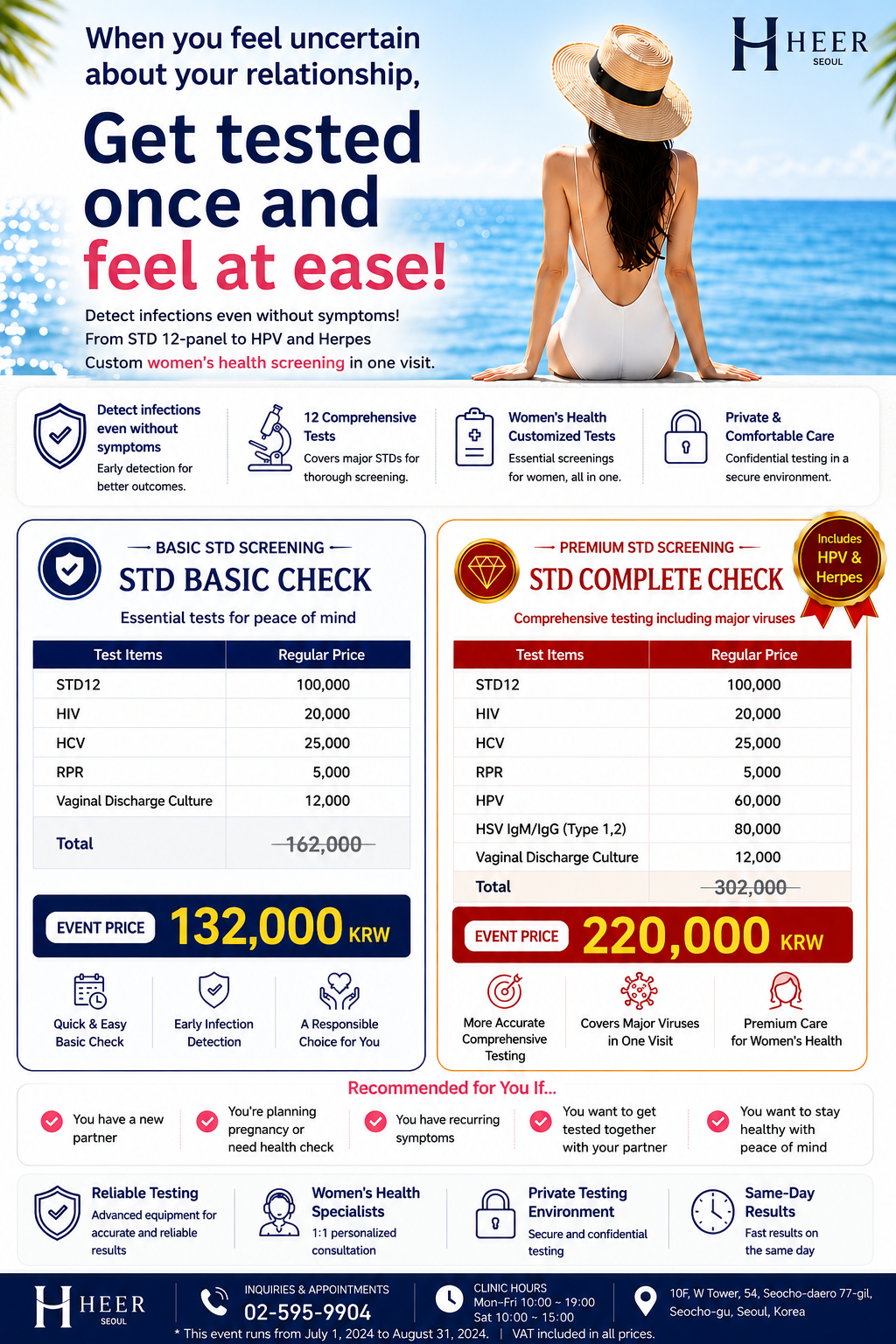
- Emergency contraception does not protect against STIs — consider testing if appropriate.
After Emergency Contraception: Ongoing Protection
The morning-after pill is not intended as regular contraception. Your doctor can help you start a regular method straight away, such as the pill, an IUD or an implant. If you've taken ulipristal, ask how long to wait before starting hormonal contraception.
Weekends and Holidays
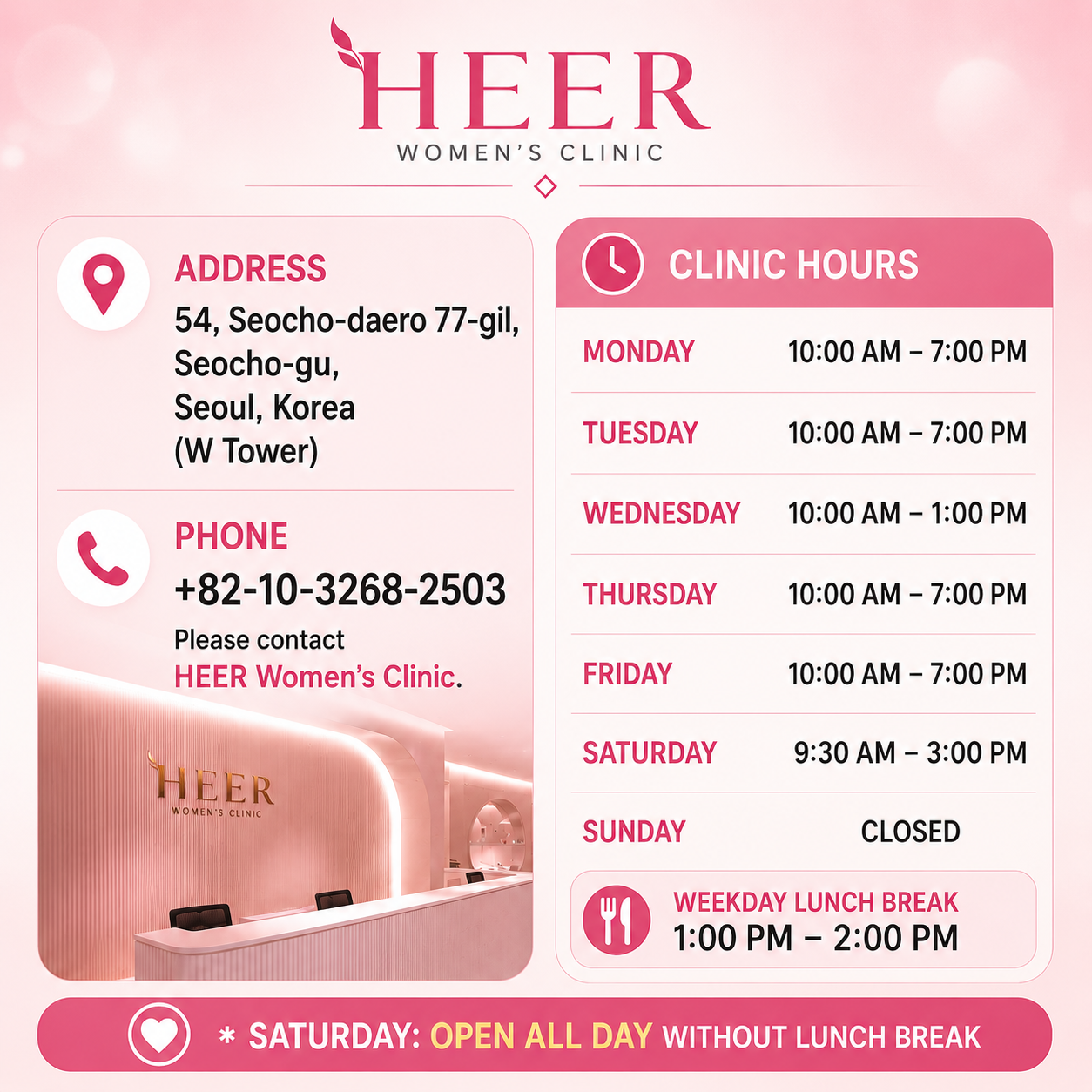
Many clinics are open on Saturdays but closed on Sundays and public holidays. If you need emergency contraception when clinics are closed, a hospital emergency department can help.
Frequently Asked Questions
Can I buy the morning-after pill at a Korean pharmacy without a prescription?
No. In Korea emergency contraception is prescription-only, so see an OB-GYN or other clinic first.
How long after sex can I take emergency contraception?
Levonorgestrel pills are for up to 72 hours and ulipristal-type pills up to 120 hours, but effectiveness is higher the sooner you take them.
What if I need it on a weekend?
Some clinics open on Saturdays and some hospitals operate on Sundays and holidays; check hours early rather than waiting.
Related Guides
- Morning-After Pill in Seoul: Prescription, Cost & Where to Go
- Birth Control in Korea: A Complete Guide for Foreign Women
- Hormonal IUD vs Copper IUD: Which Is Right for You?
- Late Period but Not Pregnant: Common Causes & When to See a Doctor
- Complete Guide to Women's Healthcare in Korea for Foreigners
Book an English-Speaking OB-GYN Visit in Gangnam
Sinsoe Women's Clinic is a female-led OB-GYN clinic at 537 Nonhyeon-ro, Gangnam-gu, Seoul, a short walk from Eonju Station (Line 9, Exit 7) and Yeoksam Station (Line 2, Exit 6). All physicians are female, board-certified OB-GYNs, and consultations are available in English. Message us on WhatsApp (+82-10-9517-5719) to book.
Hours: Mon & Fri 10:00–20:00 · Tue–Thu 10:00–19:00 · Sat 10:00–16:00 · Closed Sundays
This article is for general information only and is not a substitute for medical advice. Prices and procedures can change — please confirm details directly with the clinic.