Hormonal IUD vs Copper IUD: Which Is Right for You?
How the two main IUD types compare on periods, side effects, duration and cost
Quick answer: A hormonal IUD releases a small amount of progestin and often makes periods lighter and less painful, while a copper IUD is hormone-free but can make periods heavier at first. Both are over 99% effective and last for years; the right choice depends on your periods, health and preferences.
If you've decided an IUD is right for you, the next question is which type: hormonal or copper. Both are more than 99% effective and long-lasting, but they work differently and affect your body in different ways. Here's a side-by-side comparison to help you decide.

How They Work
Hormonal IUD: releases a small amount of the progestin levonorgestrel, which thickens cervical mucus and thins the uterine lining.
Copper IUD: releases copper ions that are toxic to sperm, preventing fertilization. It contains no hormones.
Effect on Periods
- Hormonal: periods usually become lighter and less painful over time; some women stop having periods altogether. Irregular spotting is common in the first months.
- Copper: periods may become heavier, longer or more painful, especially in the first 3–6 months.
How Long They Last
- Hormonal: roughly 3–8 years, depending on the device.
- Copper: often 5–10 years, depending on the device.
Side Effects
Hormonal IUDs can occasionally cause headaches, breast tenderness, acne or mood changes, although hormone levels in the blood are low. Copper IUDs avoid hormonal side effects but may worsen period pain and bleeding.
Which Might Suit You?
A hormonal IUD may suit you if:
- You have heavy or painful periods
- You'd welcome lighter periods or no periods
- You're comfortable with a low dose of hormones
A copper IUD may suit you if:
- You prefer a completely hormone-free method
- You want the longest-lasting option
- You need emergency contraception(it works if inserted within five days)
- Your periods are currently light or normal
Cost Differences in Korea
Copper IUDs are generally less expensive than hormonal IUDs. Neither is usually covered by insurance when used for contraception. Ask your clinic for a full price including insertion and follow-up.
Talk It Through With a Doctor
Your medical history, period pattern and future plans all matter. An English-speaking OB-GYN can examine you, perform an ultrasound and help you choose the IUD that fits you best.
Frequently Asked Questions
Which IUD is better for heavy periods?
A hormonal IUD is often recommended because it usually reduces menstrual bleeding and cramps.
Can a copper IUD be used as emergency contraception?
Yes. A copper IUD inserted within about five days of unprotected sex is a highly effective emergency option.
Do IUDs affect future fertility?
No. Fertility usually returns quickly after an IUD is removed.
Related Guides
- IUD in Korea: Cost, Procedure & Options for Foreigners
- IUD Insertion in Gangnam: What to Expect Before and After
- Birth Control in Korea: A Complete Guide for Foreign Women
- Heavy Periods: Causes, Diagnosis & Treatment
- Complete Guide to Women's Healthcare in Korea for Foreigners
Book an English-Speaking OB-GYN Visit in Gangnam
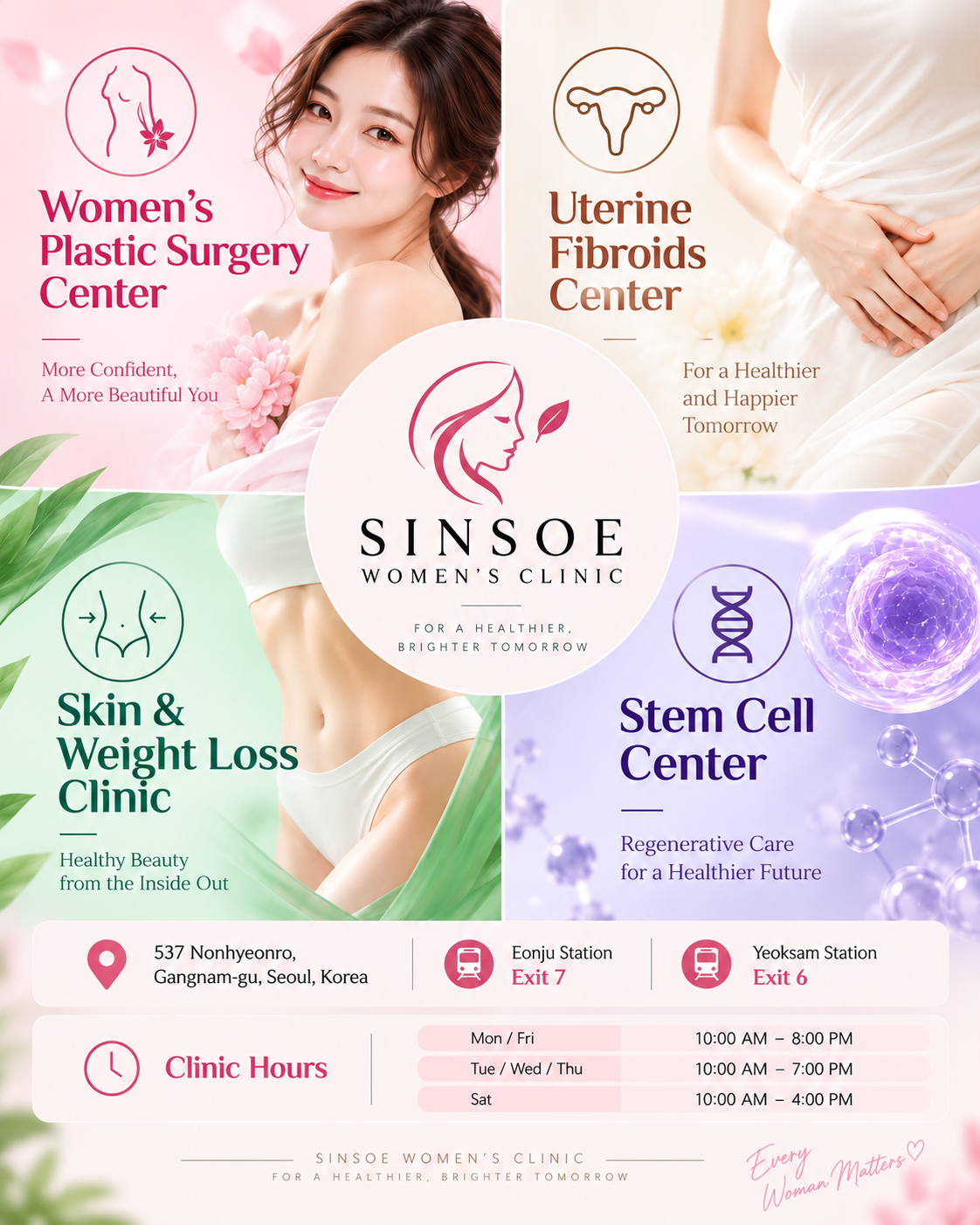
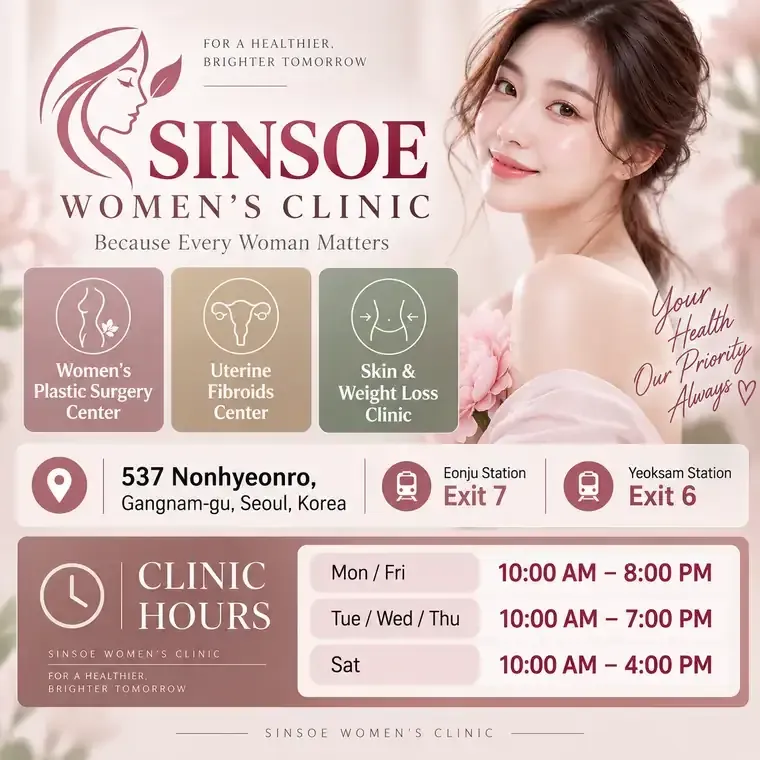
Sinsoe Women's Clinic is a female-led OB-GYN clinic at 537 Nonhyeon-ro, Gangnam-gu, Seoul, a short walk from Eonju Station (Line 9, Exit 7) and Yeoksam Station (Line 2, Exit 6). All physicians are female, board-certified OB-GYNs, and consultations are available in English. Message us on WhatsApp (+82-10-9517-5719) to book.
Hours: Mon & Fri 10:00–20:00 · Tue–Thu 10:00–19:00 · Sat 10:00–16:00 · Closed Sundays
This article is for general information only and is not a substitute for medical advice. Prices and procedures can change — please confirm details directly with the clinic.