Severe Period Cramps: When Is Menstrual Pain Not Normal?
Primary vs secondary dysmenorrhea and the warning signs to watch for
Quick answer: Period cramps are not normal if they stop you from working or studying, are not relieved by usual pain medicine, get worse over time or come with heavy bleeding or pain during sex. These can be signs of endometriosis, adenomyosis or fibroids, which an OB-GYN can investigate with ultrasound.
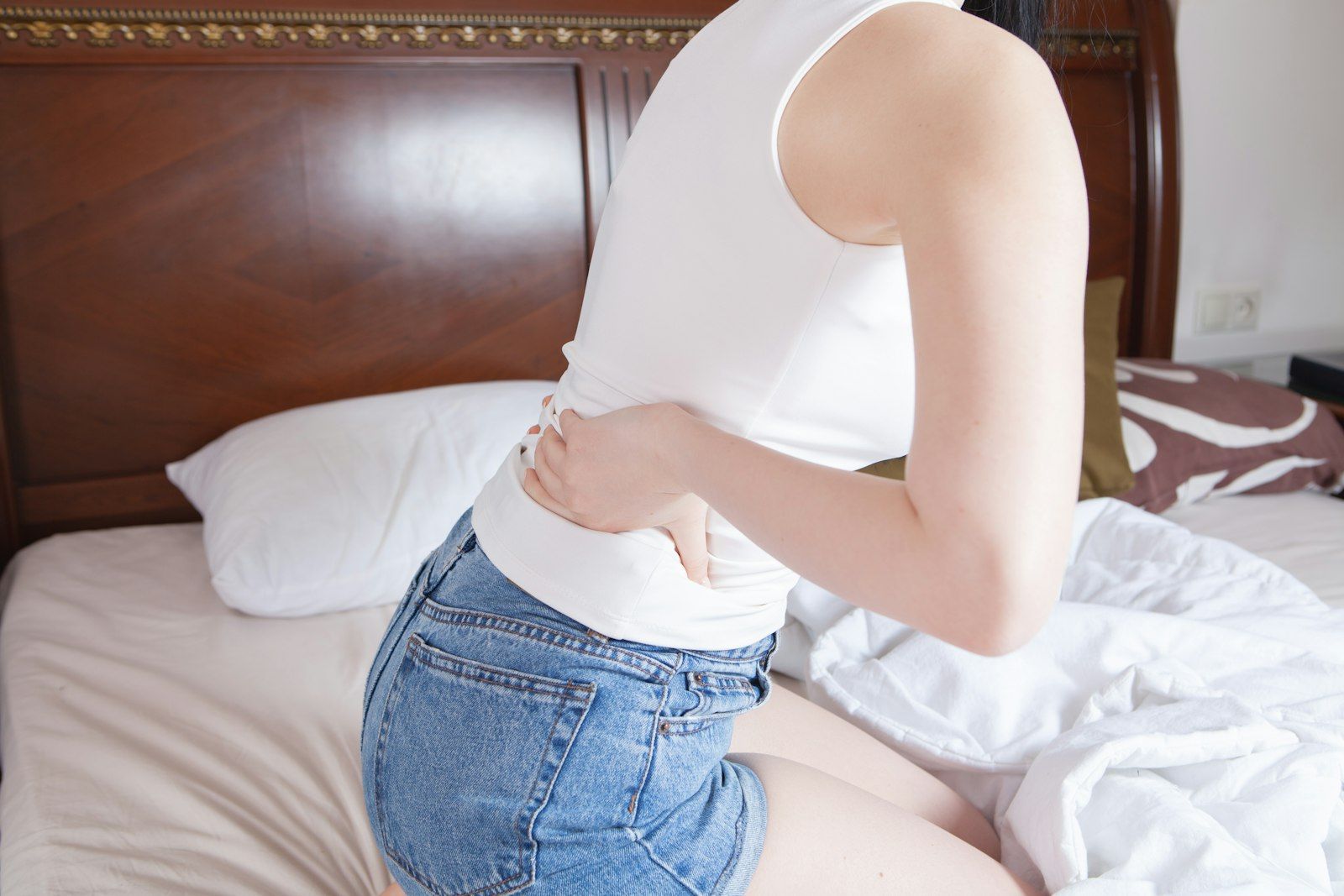
Period cramps are common, but they shouldn't stop you from living your life. If your menstrual pain is severe, getting worse over time or not relieved by usual painkillers, it may be a sign of an underlying condition. Here's how to tell the difference.

Two Types of Period Pain
Primary dysmenorrhea is common cramping caused by natural chemicals (prostaglandins) that make the uterus contract. It often starts in the teens, lasts one to three days and improves with pain relievers.
Secondary dysmenorrhea is pain caused by an underlying condition. It often starts later in life, worsens over time and may last longer than your period.
Conditions That Can Cause Severe Cramps
- Endometriosis
- Adenomyosis
- Uterine fibroids
- Pelvic inflammatory disease
- Ovarian cysts
Warning Signs
- Pain that makes you miss work, school or plans
- Pain not relieved by over-the-counter pain relievers
- Pain that gets worse every year
- Pain during sex, bowel movements or urination
- Heavy bleeding or bleeding between periods
- Difficulty getting pregnant
How Doctors Investigate
An OB-GYN will ask about your symptoms and may perform a pelvic exam and ultrasound. Blood tests or further imaging may be recommended. Endometriosis sometimes requires laparoscopy for a definite diagnosis.
Treatment Options
- Anti-inflammatory pain relievers taken at the start of pain
- Hormonal contraception to reduce or stop periods
- A hormonal IUD
- Specific treatments for endometriosis, adenomyosis or fibroids
- Heat, gentle exercise and rest for relief
Don't Ignore Severe Pain
Many women are told that severe period pain is "normal." It isn't always. An English-speaking OB-GYN can help you find the cause and a treatment that works.
Frequently Asked Questions
What is the difference between primary and secondary dysmenorrhea?
Primary period pain has no underlying disease, while secondary pain is caused by a condition such as endometriosis or fibroids.
Which painkillers help period cramps?
Anti-inflammatory medicines such as ibuprofen, taken at the start of pain, often work best; ask a doctor if they do not help.
Can hormonal contraception reduce period pain?
Yes. The pill or a hormonal IUD often reduces cramps and bleeding.
Related Guides
- Endometriosis in Korea: Symptoms, Diagnosis & Treatment
- Uterine Fibroids Treatment in Korea: What Foreign Patients Should Know
- Pelvic Pain in Women: Common Causes & When to Seek Care
- Heavy Periods: Causes, Diagnosis & Treatment
- Complete Guide to Women's Healthcare in Korea for Foreigners
Book an English-Speaking OB-GYN Visit in Gangnam
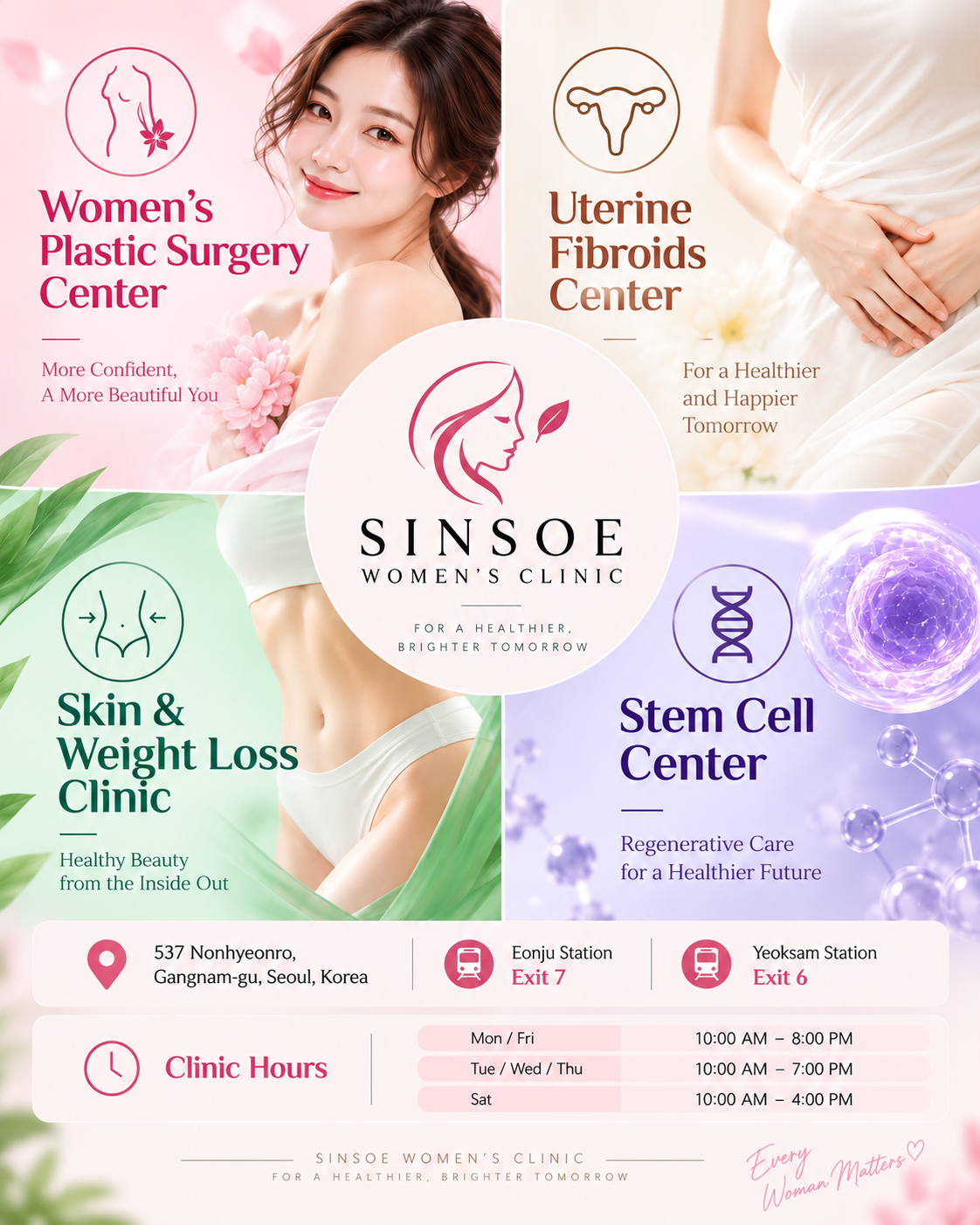
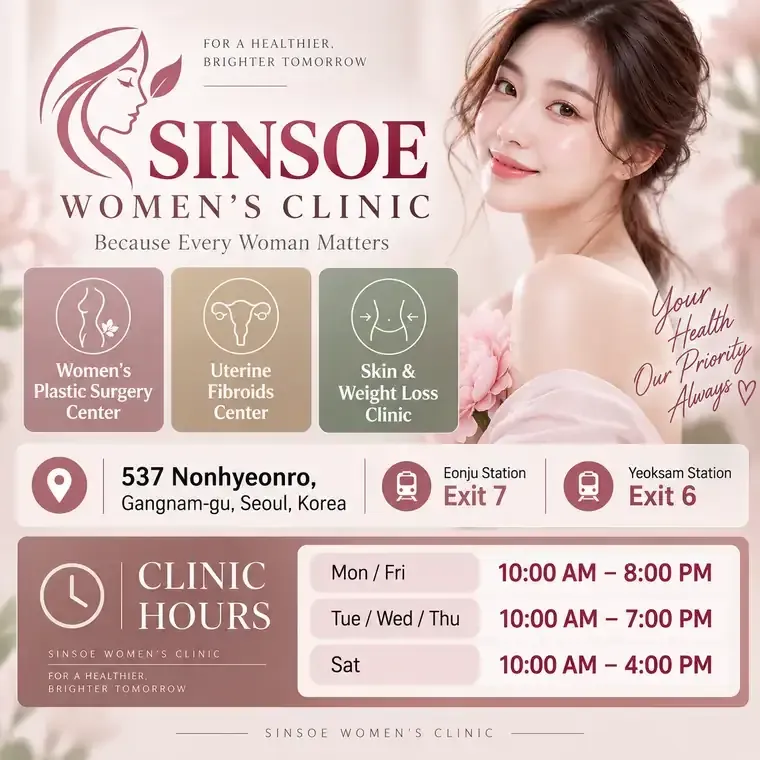
Sinsoe Women's Clinic is a female-led OB-GYN clinic at 537 Nonhyeon-ro, Gangnam-gu, Seoul, a short walk from Eonju Station (Line 9, Exit 7) and Yeoksam Station (Line 2, Exit 6). All physicians are female, board-certified OB-GYNs, and consultations are available in English. Message us on WhatsApp (+82-10-9517-5719) to book.
Hours: Mon & Fri 10:00–20:00 · Tue–Thu 10:00–19:00 · Sat 10:00–16:00 · Closed Sundays
This article is for general information only and is not a substitute for medical advice. Prices and procedures can change — please confirm details directly with the clinic.