Pelvic Pain in Women: Common Causes & When to Seek Care
Gynecologic and non-gynecologic causes, and the red flags that need urgent care
Quick answer: Pelvic pain in women can come from the reproductive organs (cysts, endometriosis, fibroids, infection, pregnancy problems), the bladder or the bowel. Seek urgent care for sudden severe pain, fever, fainting or pain with a positive pregnancy test. For ongoing pain, an OB-GYN can examine you and use ultrasound to find the cause.
Pelvic pain — pain in the lower abdomen below the belly button — has many possible causes. Some are minor and short-lived; others need prompt medical attention. Here's an overview of common causes and how to know when to seek care.
Acute vs Chronic Pelvic Pain
Acute pain comes on suddenly and may signal an urgent problem. Chronic pain lasts six months or more and may be constant or come and go with your cycle.
Common Gynecologic Causes
- Menstrual cramps
- Ovulation pain mid-cycle
- Ovarian cysts, including a ruptured or twisted cyst
- Endometriosis and adenomyosis
- Uterine fibroids
- Pelvic inflammatory disease (PID) from untreated infections
- Ectopic pregnancy — a medical emergency
Non-Gynecologic Causes
- Urinary tract infections or kidney stones
- Appendicitis
- Irritable bowel syndrome or constipation
- Pelvic floor muscle problems
Red Flags: Seek Urgent Care
- Sudden, severe pain
- Pain with fever, vomiting or fainting
- Pain with a positive or possible pregnancy
- Heavy vaginal bleeding
- Pain that's getting rapidly worse
In an emergency in Korea, call 119 or go to a hospital emergency department.
How an OB-GYN Investigates
- Questions about the timing, location and pattern of pain
- A pregnancy test
- A pelvic exam and swabs for infection
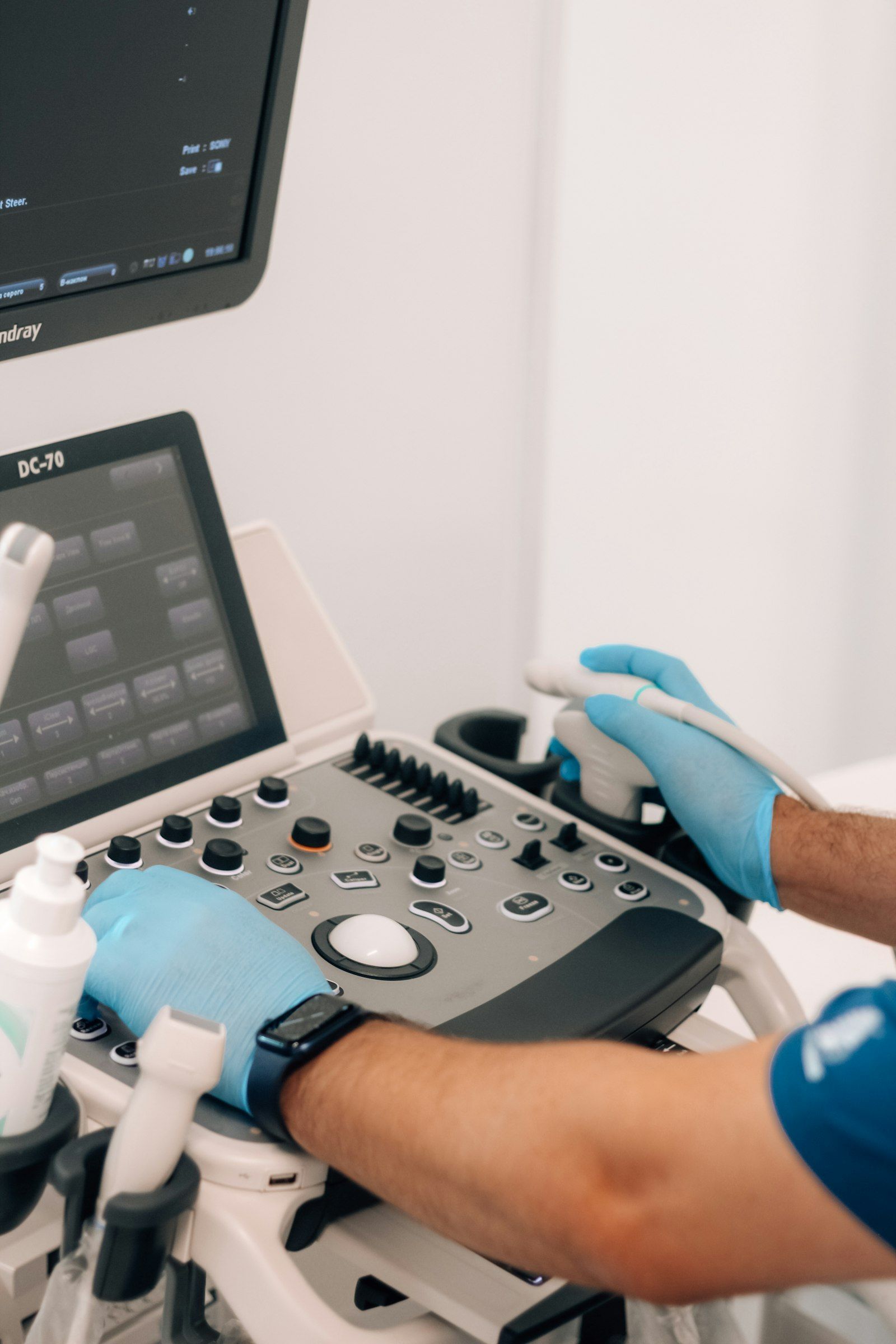
- A pelvic ultrasound to check the uterus and ovaries
- Blood or urine tests as needed
Treatment
Treatment depends on the cause — for example, antibiotics for infection, hormonal therapy for endometriosis, or procedures for cysts or fibroids.
Track Your Symptoms
Note when the pain occurs, how severe it is and whether it's linked to your period, sex or bowel movements. This information helps your doctor reach a diagnosis faster.
Frequently Asked Questions
What is the difference between acute and chronic pelvic pain?
Acute pain starts suddenly and may need urgent care; chronic pain lasts six months or longer and needs a structured assessment.
How does an OB-GYN investigate pelvic pain?
Usually with a history, pelvic exam, transvaginal ultrasound and urine or blood tests.
Should I track my pain?
Yes. Noting when pain happens in relation to your cycle, sex or bowel movements helps the doctor narrow down causes.
Related Guides
- Lower Abdominal Pain in Women: When to Visit an OB-GYN
- Ovarian Cysts: Symptoms, Ultrasound & Treatment in Korea
- Endometriosis in Korea: Symptoms, Diagnosis & Treatment
- Emergency OB-GYN Care in Seoul: When Should You Seek Immediate Medical Help?
- Complete Guide to Women's Healthcare in Korea for Foreigners
Book an English-Speaking OB-GYN Visit in Gangnam
Sinsoe Women's Clinic is a female-led OB-GYN clinic at 537 Nonhyeon-ro, Gangnam-gu, Seoul, a short walk from Eonju Station (Line 9, Exit 7) and Yeoksam Station (Line 2, Exit 6). All physicians are female, board-certified OB-GYNs, and consultations are available in English. Message us on WhatsApp (+82-10-9517-5719) to book.
Hours: Mon & Fri 10:00–20:00 · Tue–Thu 10:00–19:00 · Sat 10:00–16:00 · Closed Sundays
This article is for general information only and is not a substitute for medical advice. Prices and procedures can change — please confirm details directly with the clinic.