Abnormal Pap Smear in Korea: What Happens Next?
Understanding results like ASC-US, LSIL and HSIL, and the follow-up steps
Quick answer: An abnormal Pap smear means some cervical cells look different, and it rarely means cancer. Next steps in Korea usually include an HPV test, a colposcopy (a magnified look at the cervix) and, if needed, a small biopsy. Most changes are low-grade and are either monitored or treated simply.
Being told your Pap smear is abnormal can be worrying, especially in a foreign country. The good news: most abnormal results do not mean cancer. They usually indicate cell changes that can be monitored or treated. Here's what your result may mean and what happens next in Korea.
Common Abnormal Results
- ASC-US: atypical cells of undetermined significance — the most common abnormal result and often linked to HPV or inflammation.
- LSIL: low-grade changes, usually caused by HPV and often resolve on their own.
- ASC-H: atypical cells where a high-grade change cannot be ruled out.
- HSIL: high-grade changes that need further evaluation and often treatment.
- AGC: atypical glandular cells, which require additional investigation.
Next Step 1: HPV Testing
If an HPV test hasn't already been done, your doctor may recommend one. The HPV type helps determine whether you need closer follow-up.
Next Step 2: Colposcopy
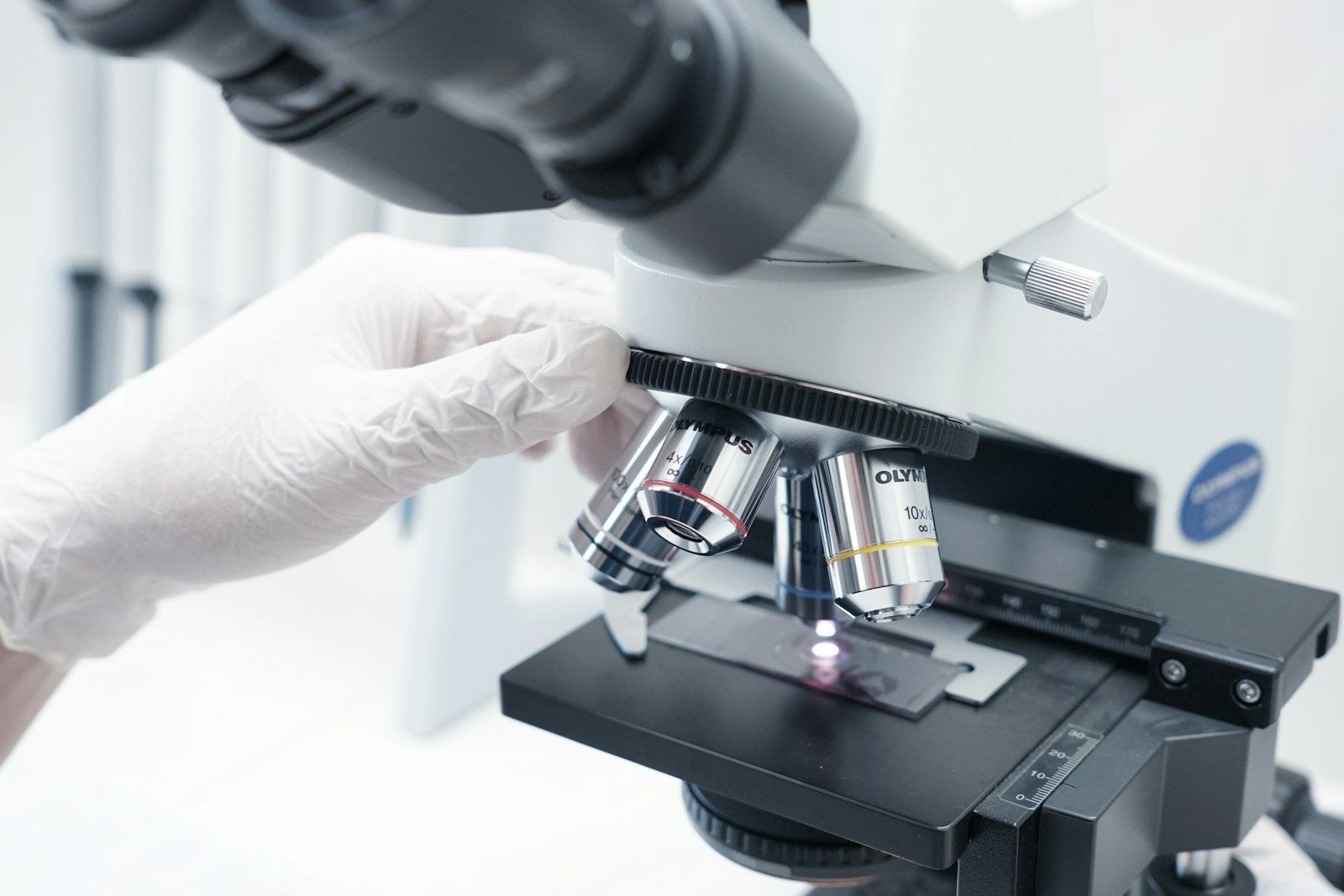
A colposcopy uses a magnifying instrument to examine the cervix closely. A solution is applied to highlight abnormal areas. It's similar to a Pap smear and usually takes 10–20 minutes.
Next Step 3: Biopsy
If abnormal areas are seen, a small tissue sample may be taken. You might feel a brief pinch, and light spotting afterwards is common.
Treatment Options
- Watchful waiting: low-grade changes often resolve, so repeat testing may be advised.
- LEEP/conization: removes abnormal tissue for high-grade changes.
- Other treatments: such as cryotherapy or laser in some cases.
Questions to Ask Your Doctor
- What exactly does my result mean?
- Was HPV detected, and which type?
- Do I need a colposcopy, and when?
- How often should I be tested going forward?
Taking Care of Yourself
Not smoking and attending all follow-up appointments make a real difference. Ask for results in English and keep copies if you may continue care in another country.
Frequently Asked Questions
Is an abnormal Pap smear serious?
Most abnormal results are caused by HPV and are low-grade changes that often go away on their own, but follow-up is important.
What is a colposcopy like?
It is similar to a Pap smear but uses a magnifying instrument; it takes about 10–20 minutes and may include a small biopsy.
Can I get follow-up care in English in Korea?
Yes. An English-speaking OB-GYN can explain your results, arrange colposcopy and discuss treatment options with you.
Related Guides
- Pap Smear in Korea: A Guide for Foreign Women
- HPV Test in Korea: Cost, Procedure & Results Explained
- Pap Smear vs HPV Test: What's the Difference?
- Genital Warts Treatment in Korea: What Foreign Patients Should Know
- Complete Guide to Women's Healthcare in Korea for Foreigners
Book an English-Speaking OB-GYN Visit in Gangnam
Sinsoe Women's Clinic is a female-led OB-GYN clinic at 537 Nonhyeon-ro, Gangnam-gu, Seoul, a short walk from Eonju Station (Line 9, Exit 7) and Yeoksam Station (Line 2, Exit 6). All physicians are female, board-certified OB-GYNs, and consultations are available in English. Message us on WhatsApp (+82-10-9517-5719) to book.
Hours: Mon & Fri 10:00–20:00 · Tue–Thu 10:00–19:00 · Sat 10:00–16:00 · Closed Sundays
This article is for general information only and is not a substitute for medical advice. Prices and procedures can change — please confirm details directly with the clinic.