Complete Guide to Women's Healthcare in Korea for Foreigners
Everything you need to know — from finding a clinic to insurance and emergencies
Quick answer: Women's healthcare in Korea is fast and high quality. Foreigners can see an OB-GYN at a private clinic without a referral, often the same day, for checkups, contraception, infections, period problems, pregnancy and menopause care. NHIS covers insured residents, and English-speaking clinics in Gangnam make care easier for international patients.
Navigating healthcare in a new country can feel overwhelming. Fortunately, Korea offers fast, modern and affordable women's healthcare, and many clinics in Seoul serve international patients in English. This complete guide brings together everything foreign women need to know.

How the System Works
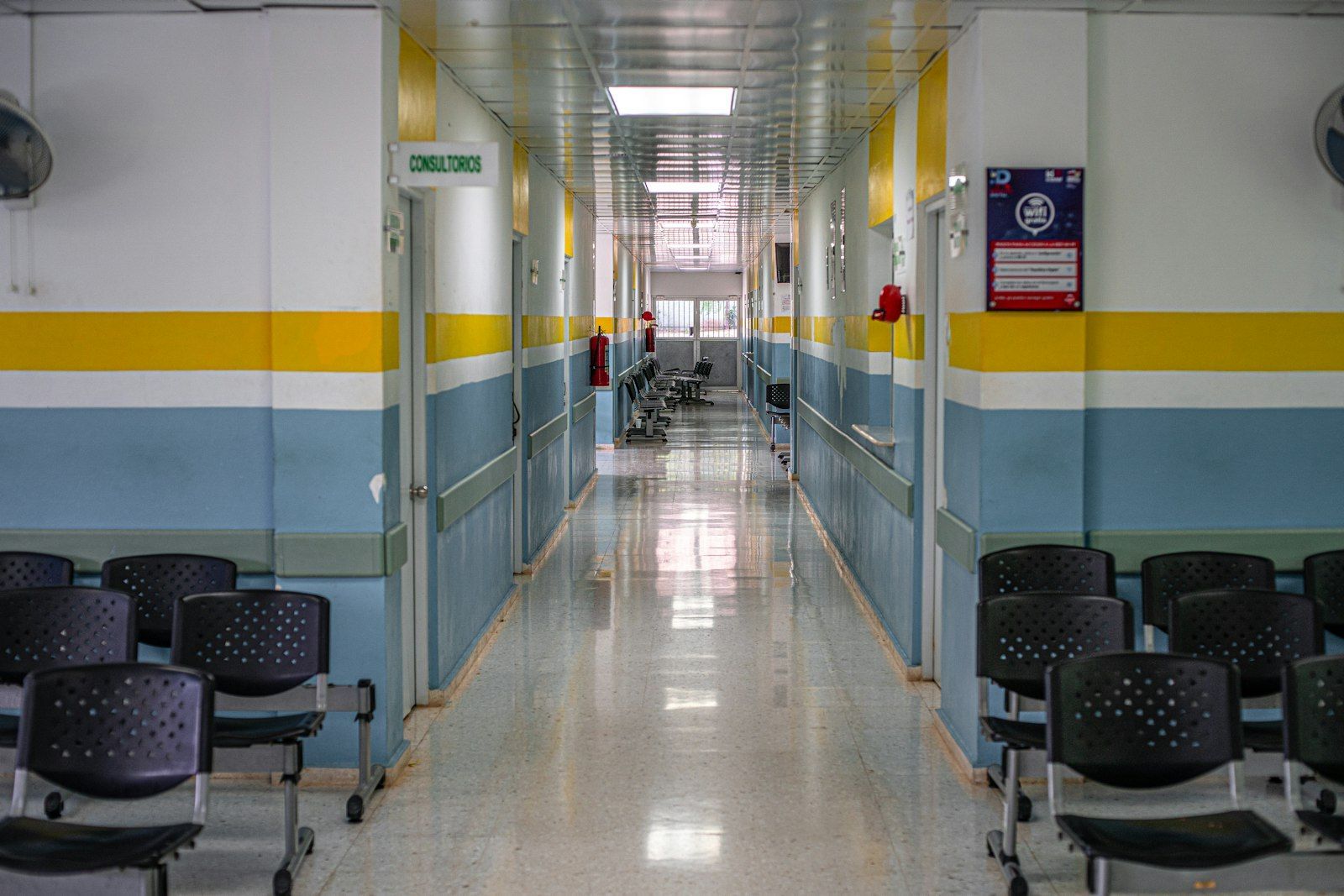
Korea's healthcare is built around specialist clinics. You can see an OB-GYN directly — no referral needed — for most women's health needs. University hospitals handle complex or high-risk cases, often with a referral.
Health Insurance
- Most foreign residents staying six months or longer are enrolled in National Health Insurance (NHIS)
- NHIS partly covers many medically necessary visits and tests
- Contraception, many vaccines and elective packages are usually paid out of pocket
- Visitors can use travel insurance and claim with itemized receipts
Routine Care
- Regular Pap smears and HPV tests
- Pelvic ultrasound when needed
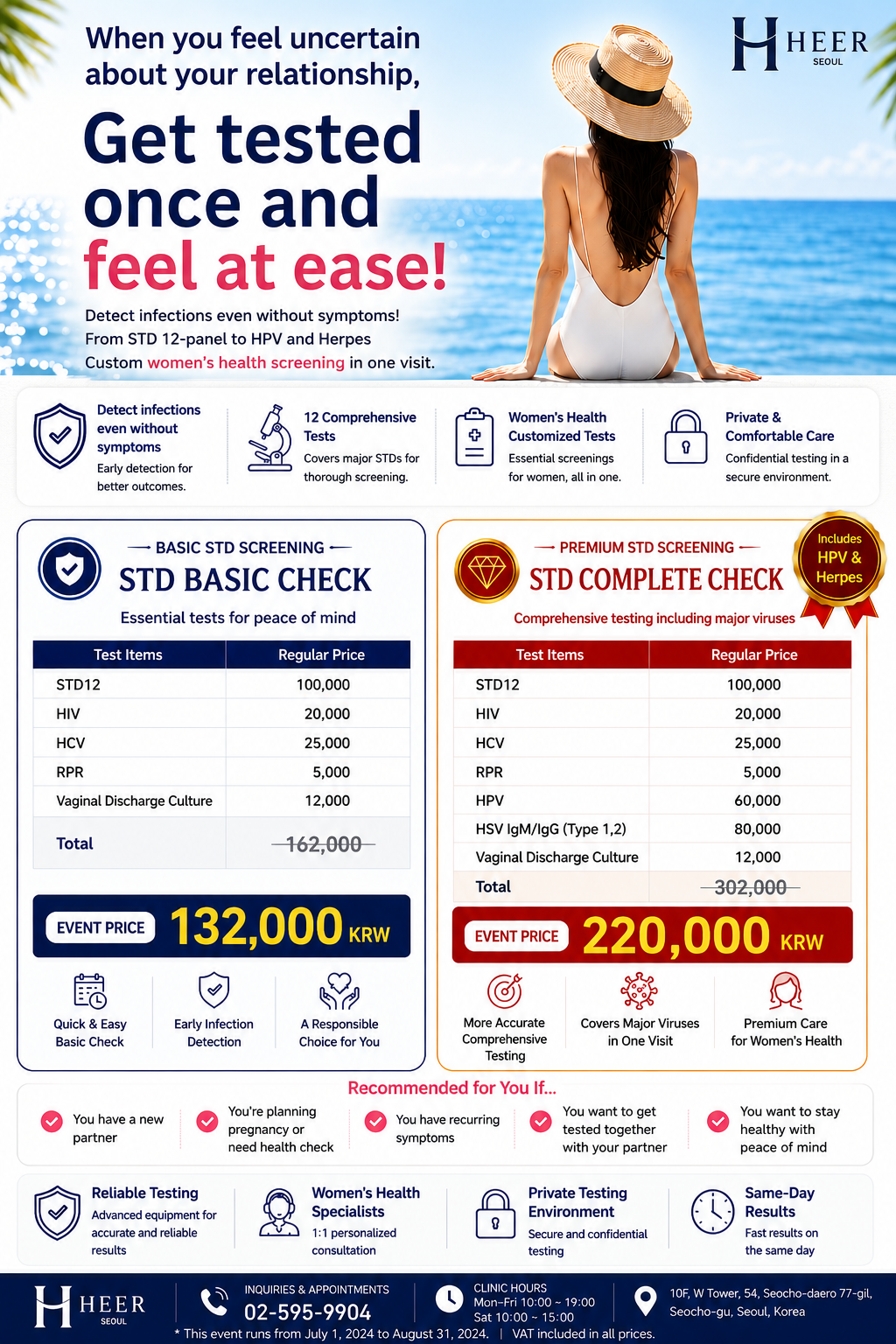
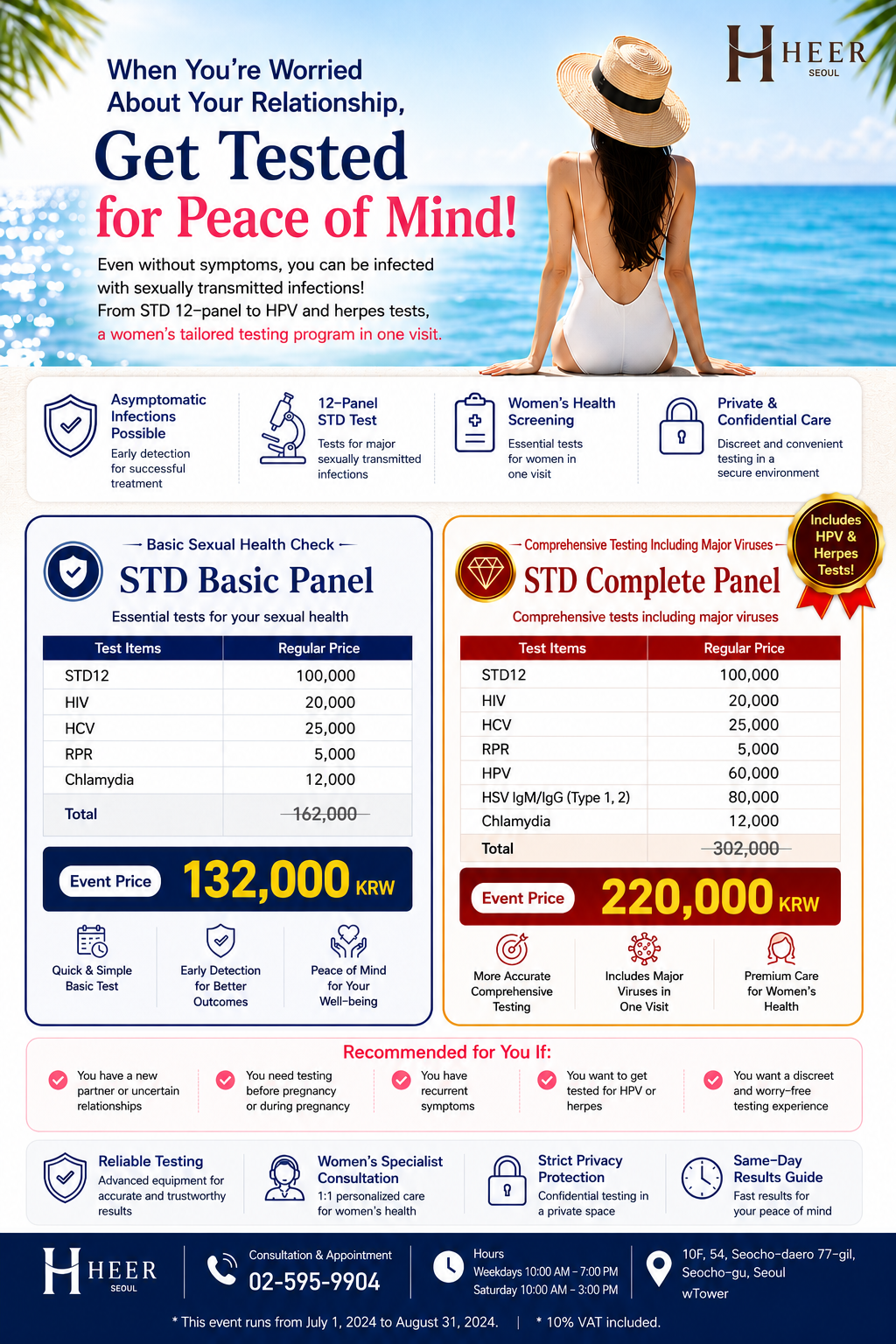
- STI testing
- Age-appropriate screening for breast, bone and metabolic health
Contraception
Some pills are available at pharmacies without a prescription; others, plus IUDs, implants and emergency contraception, require a doctor's visit.
Common Concerns
- Vaginal infections, discharge and odor
- Period problems — irregular, heavy or painful
- Pelvic pain
- PCOS, fibroids, endometriosis and ovarian cysts
Pregnancy and Fertility
Korea offers thorough prenatal care with frequent ultrasounds. Eligible insured mothers can receive a pregnancy medical expense voucher. Fertility testing and treatment are widely available.
Menopause
Treatment options include HRT and non-hormonal therapies, along with bone and heart health checks.
Emergencies
For severe pain, heavy bleeding or pregnancy emergencies, call 119 or go to a hospital emergency department.
Practical Tips
- Bring your passport or ARC to every visit
- Book by message and request an English-speaking (and female, if preferred) doctor
- Ask for costs upfront and keep itemized receipts
- Keep copies of results in English
Finding the Right Clinic
Choose a clinic where the doctor explains everything clearly in English, testing is done on site and you feel respected. That relationship is the foundation of good care.
Frequently Asked Questions
Do foreigners need a referral to see an OB-GYN in Korea?
No. You can book directly with a private OB-GYN clinic.
Is women’s healthcare expensive in Korea?
Consultations are relatively affordable, especially with NHIS; screening tests and elective procedures add to the cost.
Where can I find English-speaking OB-GYN care?
Gangnam has several clinics, including female-led clinics, offering consultations in English.
Related Guides
- English-Speaking OB-GYN in Gangnam: A Guide for Foreigners
- How to Visit an OB-GYN in Korea as a Foreigner
- OB-GYN Visit Cost in Korea: What Foreign Patients Should Expect
- Does Korean Health Insurance Cover OB-GYN Visits for Foreigners?
- Women's Health Checkup in Seoul: A Guide for Foreigners
- Pap Smear in Korea: A Guide for Foreign Women
- Birth Control in Korea: A Complete Guide for Foreign Women
- STI Testing in Seoul: Tests, Costs & Confidential Care
- Period Problems in Korea: When Should You Visit an OB-GYN?
- Prenatal Care in Korea: A Guide for Foreign Mothers
- Menopause Treatment in Korea: A Guide for Foreign Women
- Emergency OB-GYN Care in Seoul: When Should You Seek Immediate Medical Help?
Book an English-Speaking OB-GYN Visit in Gangnam
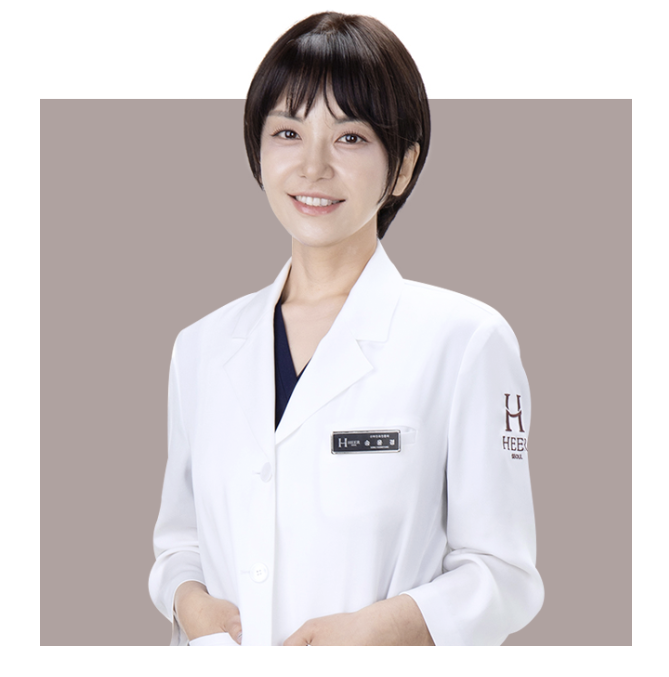
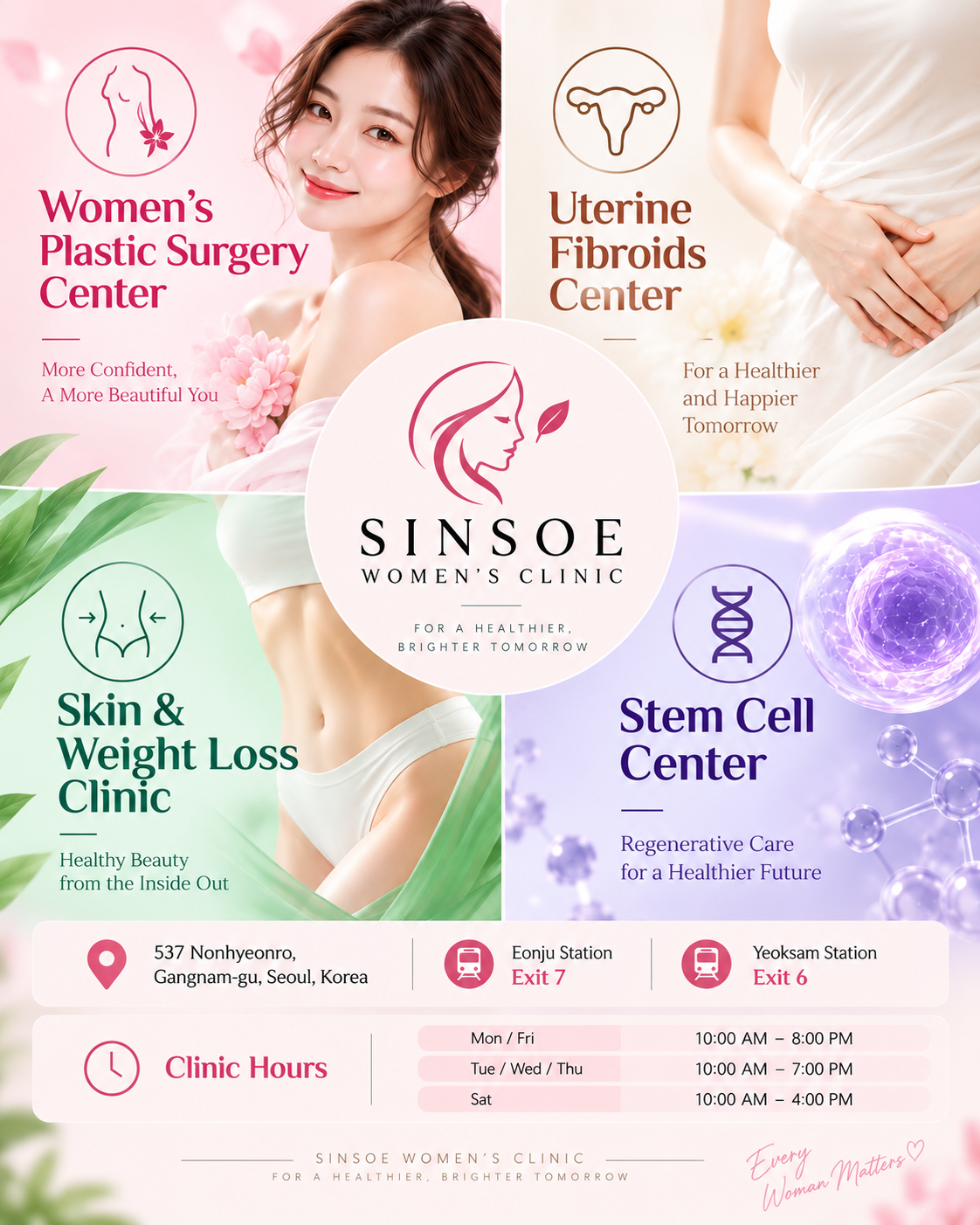
Sinsoe Women's Clinic is a female-led OB-GYN clinic at 537 Nonhyeon-ro, Gangnam-gu, Seoul, a short walk from Eonju Station (Line 9, Exit 7) and Yeoksam Station (Line 2, Exit 6). All physicians are female, board-certified OB-GYNs, and consultations are available in English. Message us on WhatsApp (+82-10-9517-5719) to book.
Hours: Mon & Fri 10:00–20:00 · Tue–Thu 10:00–19:00 · Sat 10:00–16:00 · Closed Sundays
This article is for general information only and is not a substitute for medical advice. Prices and procedures can change — please confirm details directly with the clinic.