How to Visit an OB-GYN in Korea as a Foreigner
A step-by-step walkthrough from booking to pharmacy — no Korean required
Quick answer: To visit an OB-GYN in Korea as a foreigner, choose a clinic, book ahead (walk-ins are often accepted), bring your passport or ARC and any insurance card, register at reception, see the doctor, have tests such as ultrasound if needed, pay at the desk and collect your prescription from a nearby pharmacy.
Korea's healthcare system is fast, modern and affordable — but the process can feel unfamiliar if you're used to GPs, referrals and long waiting lists. Here's exactly what happens when you visit an OB-GYN in Korea as a foreigner.
Step 1: Choose a Clinic
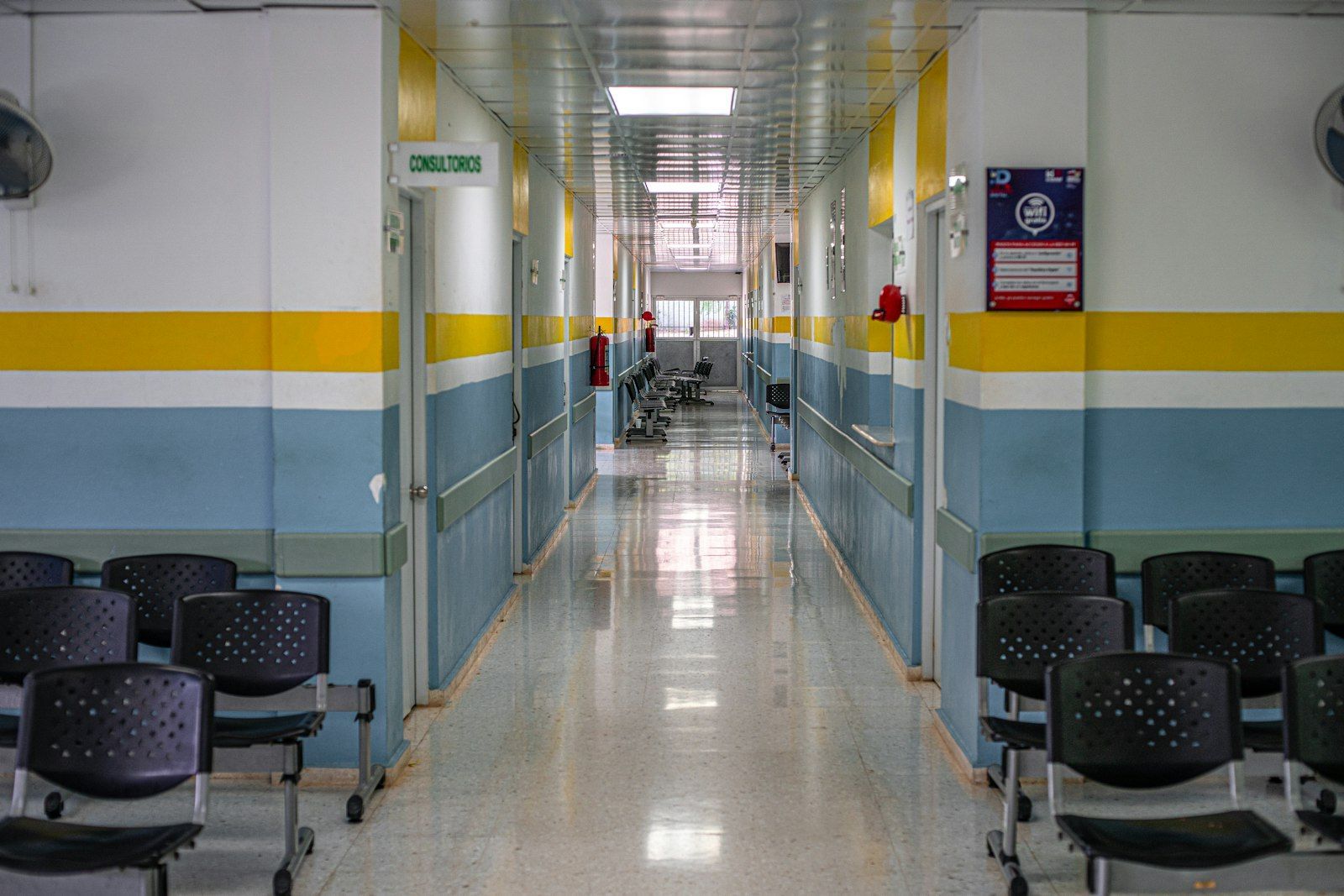
For most women's health needs, you'll go to a local OB-GYN clinic (called sanbuingwa or yeoseong-uiwon in Korean) rather than a large university hospital. Clinics are quicker, more personal and usually less expensive. Large hospitals are better suited to complex surgery or high-risk cases, and often require a referral letter for the best insurance coverage.
Step 2: Book (or Walk In)
Many clinics accept walk-ins, but booking ahead is recommended — especially if you need an English-speaking doctor. Send a message with:
- Your full name (as on your passport or ARC)
- Date of birth and nationality
- Reason for your visit
- Preferred date and time
Step 3: Bring the Right Documents
- Passport or Alien Registration Card (ARC)
- Your NHIS details if you are enrolled in Korean health insurance (your ARC is usually enough)
- A list of current medications and allergies
- Any previous test results, in English if you have them
- The date of your last menstrual period
Step 4: Registration
At the front desk you'll fill in a short form with your personal details and the reason for your visit. Some clinics also ask about pregnancy history, contraception and sexual activity — this is routine and kept confidential.
Step 5: The Consultation
The doctor will ask about your symptoms and medical history. Depending on your concern, a pelvic exam, ultrasound or sample collection may be suggested. You can always ask what a test is for, how much it costs and whether it's necessary today.
Step 6: Tests and Results
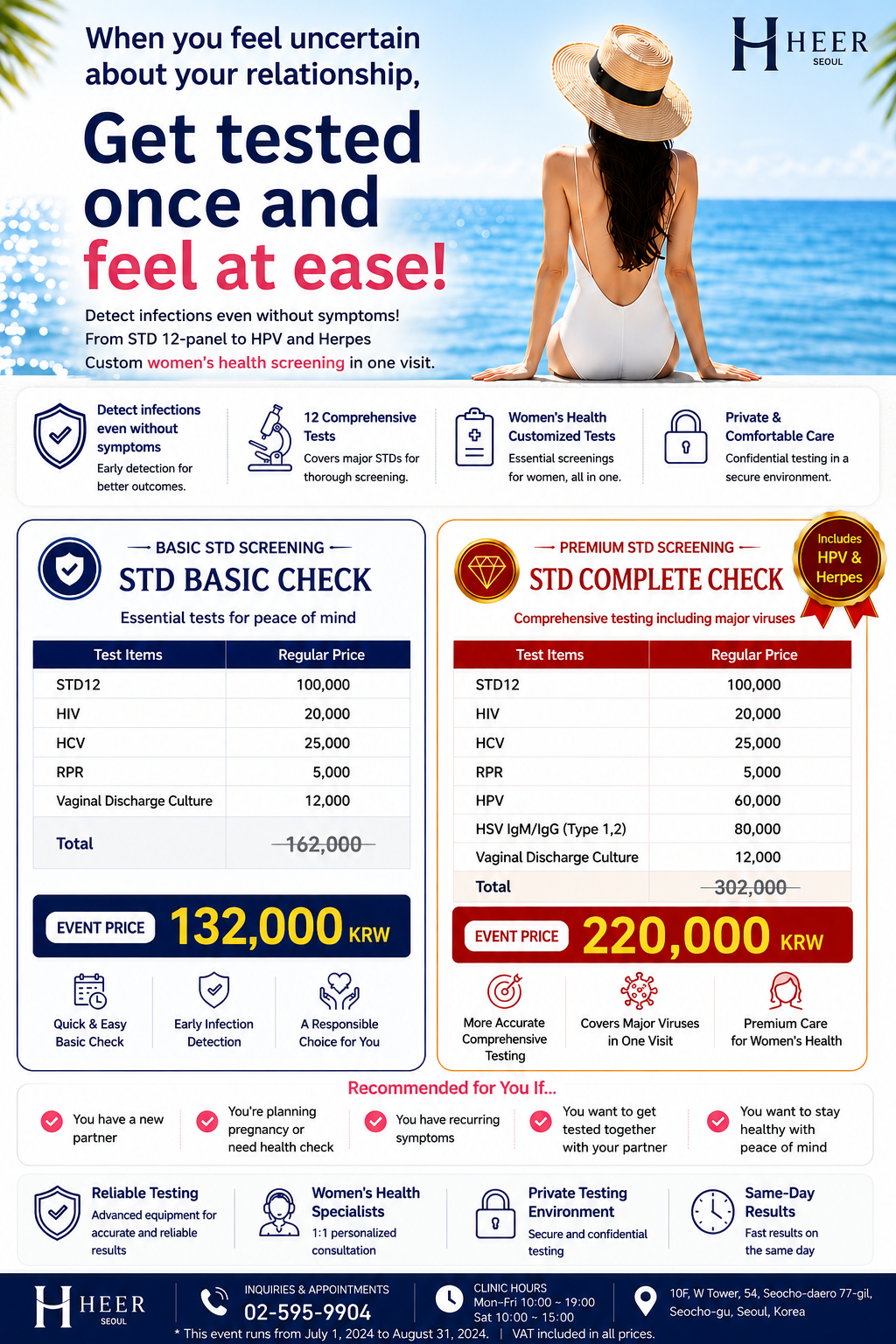
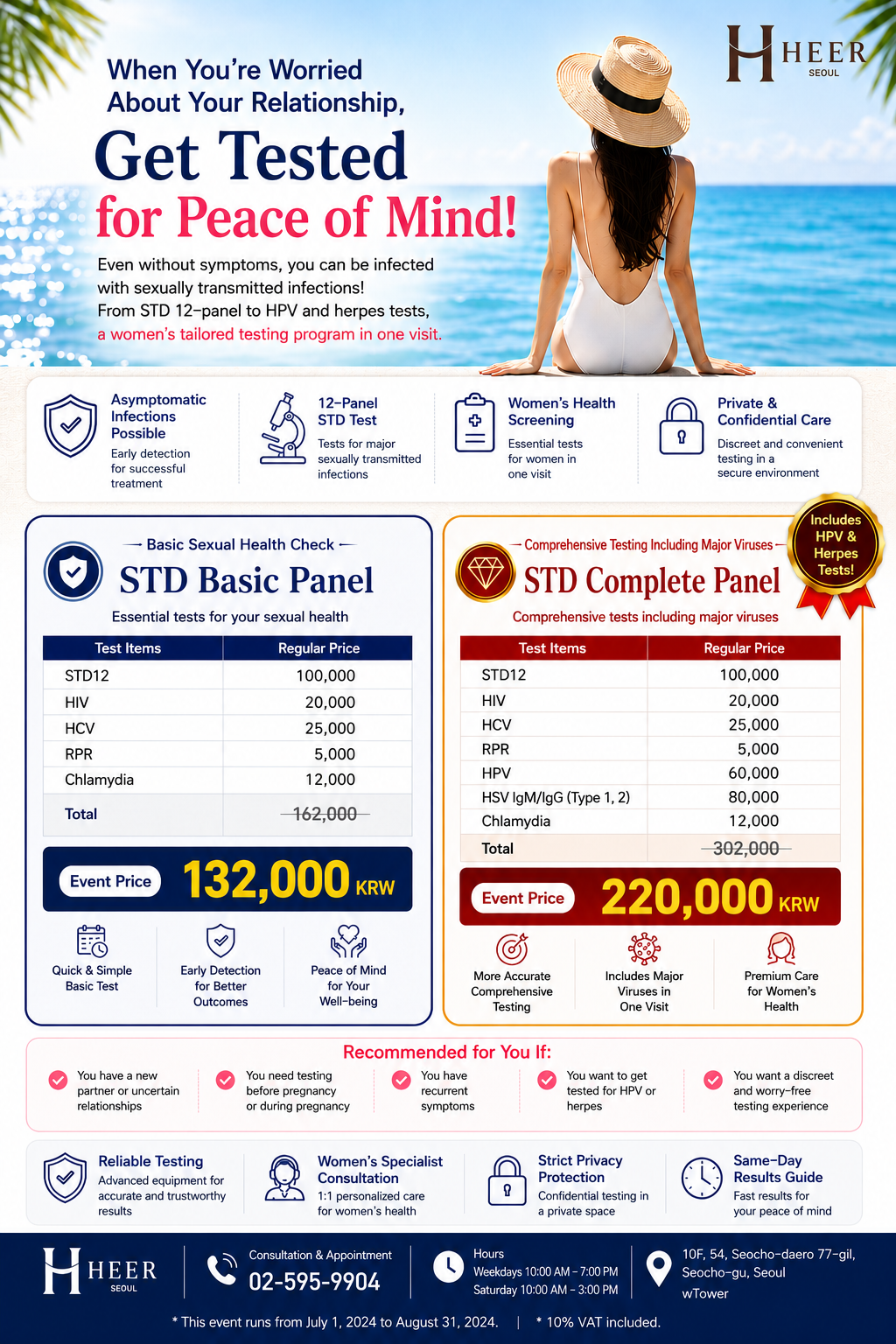
Ultrasound results are usually explained on the spot. Urine tests may be ready within minutes, while Pap smears, HPV tests, STD PCR tests and blood work typically take a few days to about a week. Ask how you'll receive results — by message, phone or a follow-up visit.
Step 7: Payment
You pay at the front desk before leaving. Credit cards are widely accepted. If you have NHIS, the insured portion is applied automatically. Request an itemized receipt and a medical certificate or record if you plan to claim from private or travel insurance.
Step 8: Prescription and Pharmacy
If medication is needed, you'll receive a prescription to take to a nearby pharmacy. There is almost always one in the same building or next door. Pharmacists will explain dosage; ask them to write instructions in English if needed.
Good to Know
- Waiting times in Korea are short — often under 30 minutes.
- Lunch breaks (roughly 13:00–14:00) are common, so check before you go.
- For emergencies, call 119 or go to a hospital emergency room.
Frequently Asked Questions
What documents do I need for an OB-GYN visit in Korea?
Bring your passport or Alien Registration Card, your NHIS card details if you are insured, a list of current medications and, if relevant, the date of your last period.
Can I visit an OB-GYN in Korea on a tourist visa?
Yes. Short-term visitors can be seen at private clinics and pay out of pocket; keep receipts and documents for travel-insurance claims.
How do I pay at a Korean clinic?
Payment is made at reception after the visit by card or cash. Prescriptions are usually filled at a pharmacy near the clinic.
Related Guides
- What to Expect at Your First OB-GYN Visit in Korea
- Do I Need an Appointment to Visit an OB-GYN in Korea?
- OB-GYN Visit Cost in Korea: What Foreign Patients Should Expect
- Korean OB-GYN Vocabulary: Useful English & Korean Phrases
- Complete Guide to Women's Healthcare in Korea for Foreigners
Book an English-Speaking OB-GYN Visit in Gangnam
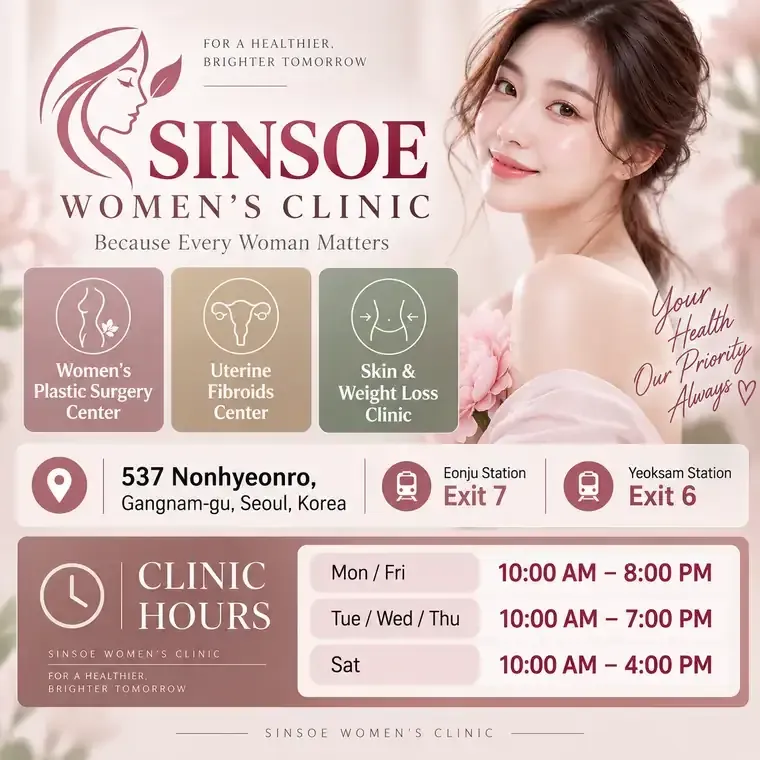
Sinsoe Women's Clinic is a female-led OB-GYN clinic at 537 Nonhyeon-ro, Gangnam-gu, Seoul, a short walk from Eonju Station (Line 9, Exit 7) and Yeoksam Station (Line 2, Exit 6). All physicians are female, board-certified OB-GYNs, and consultations are available in English. Message us on WhatsApp (+82-10-9517-5719) to book.
Hours: Mon & Fri 10:00–20:00 · Tue–Thu 10:00–19:00 · Sat 10:00–16:00 · Closed Sundays
This article is for general information only and is not a substitute for medical advice. Prices and procedures can change — please confirm details directly with the clinic.