English-Speaking OB-GYN in Gangnam: A Guide for Foreigners
How to find, book and get the most out of women's healthcare in English in Seoul's Gangnam district
Quick answer: Gangnam has many private OB-GYN clinics where foreigners can see a gynecologist in English, usually with same-day ultrasound and lab tests. Look for a clinic where the doctor (not just staff) speaks English, female board-certified OB-GYNs if you prefer, clear pricing and easy booking by WhatsApp or online.
Seeing a gynecologist is personal at the best of times. Doing it in a new country, in a language you don't speak, can feel overwhelming. The good news: Gangnam has one of the highest concentrations of women's clinics in Korea, and many of them are used to caring for international patients. This guide explains how OB-GYN care works in Korea and how to find a doctor you can talk to comfortably in English.

What Is an OB-GYN Clinic in Korea?
In Korea, an OB-GYN clinic is called a sanbuingwa. Many smaller clinics also use the name yeoseong-uiwon, meaning "women's clinic." Unlike some countries, you do not need a referral from a family doctor — you can walk into (or book directly with) a specialist OB-GYN for anything from a routine Pap smear to period problems, contraception, STD testing, pregnancy care or menopause.
Why Gangnam Is a Good Place to Look
- Many specialist clinics close to major subway lines (Line 2, Line 9 and the Shinbundang Line).
- International patients are common, so staff are more familiar with English forms, foreign insurance and payment.
- Same-day testing — most clinics have ultrasound and basic lab work on site, so you can often get answers in one visit.
- Longer hours — many clinics open on weekday evenings and Saturdays.
What "English-Speaking" Should Really Mean
A clinic website in English doesn't always mean the doctor will explain your results in English. Before booking, ask:
- Will the doctor (not just the receptionist) speak with me in English?
- Can I get my results, prescription and receipt explained in English?
- Can I book by message (WhatsApp, KakaoTalk or email) instead of phoning in Korean?
- Is a female doctor available, if that matters to me?
Common Reasons Foreigners Visit an OB-GYN in Gangnam
- Annual women's health checkups and Pap smears
- Irregular, heavy or painful periods
- Vaginal discharge, itching or recurring infections
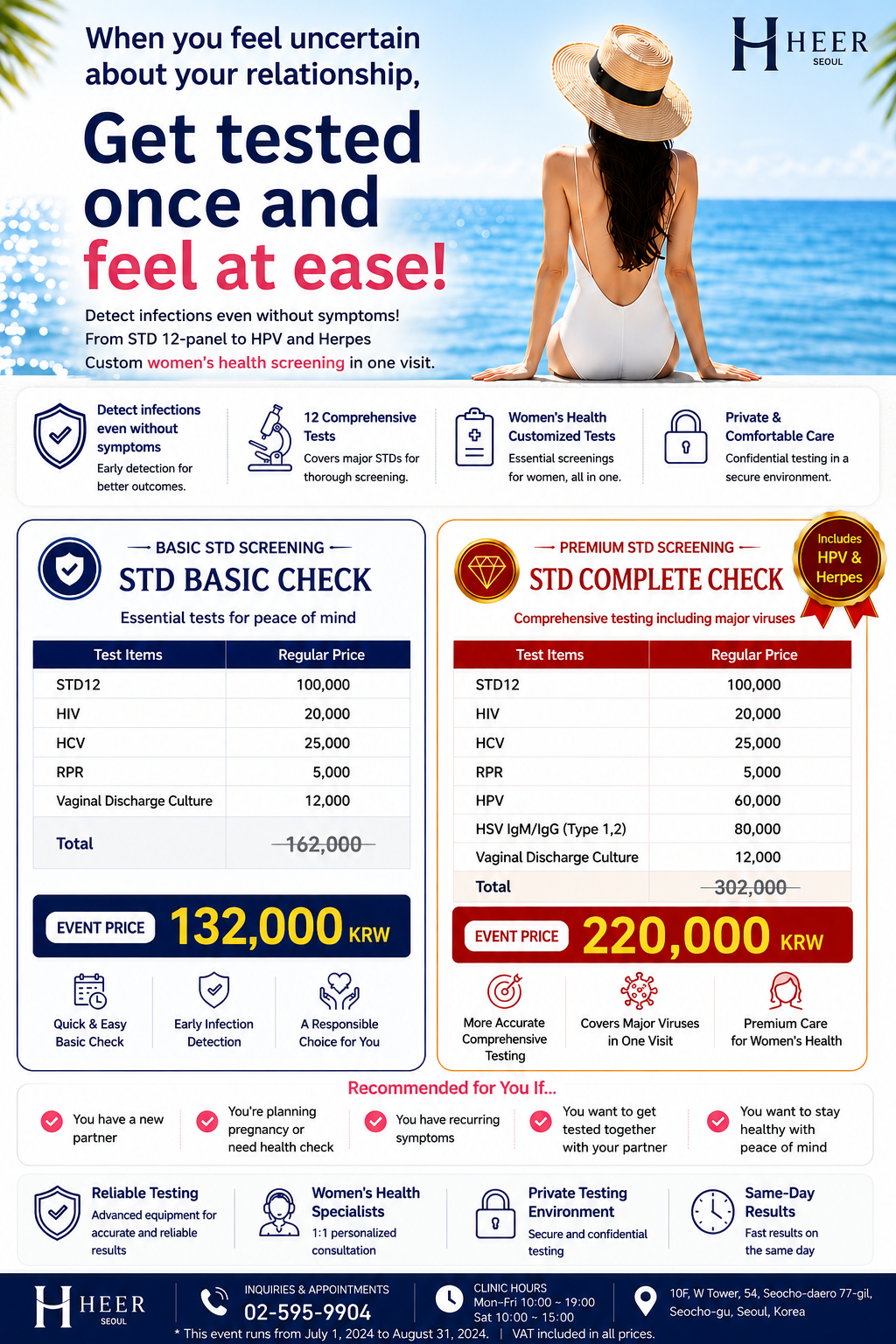
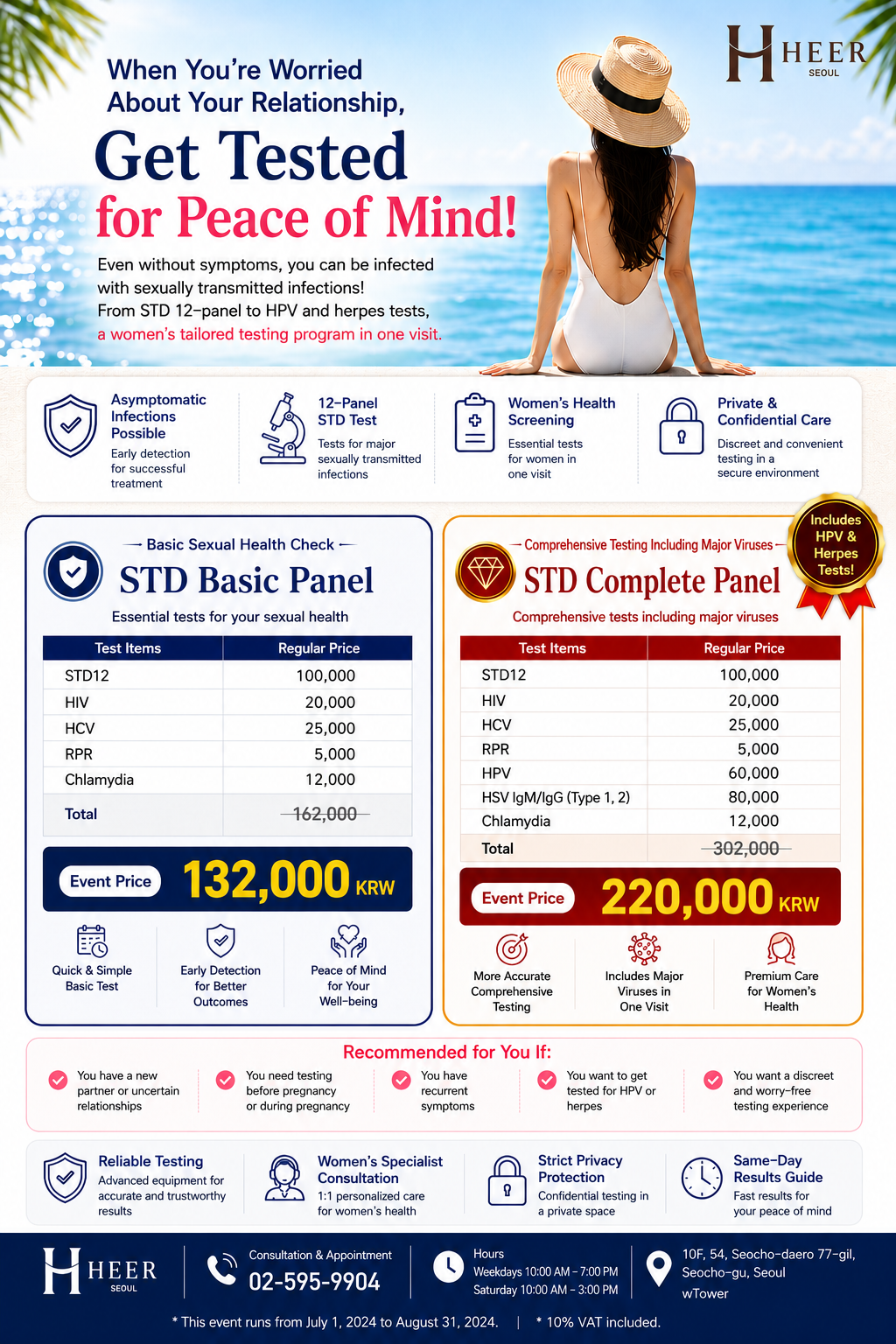
- STD testing and treatment
- Contraception — pills, IUDs, implants and emergency contraception
- HPV (Gardasil) vaccination
- Pregnancy confirmation and prenatal care
- Uterine fibroids, ovarian cysts and endometriosis
- Menopause and hormone therapy
How to Book
Most Gangnam clinics accept walk-ins, but booking ahead shortens your wait and lets the clinic prepare an English-speaking doctor. Send a short message with your name, nationality, date of birth, the reason for your visit and your preferred time. Bring your passport or Alien Registration Card (ARC) on the day.
Insurance and Payment
If you are enrolled in Korea's National Health Insurance (NHIS) — which most foreign residents staying six months or longer are — many medically necessary consultations and tests are partly covered. Some services, such as cosmetic procedures, certain screenings and vaccines, are not covered. Travelers usually pay out of pocket and can request an itemized receipt and medical record for claims with their travel or international insurance.
Tips for a Smooth First Visit
- Note the first day of your last period — you will almost always be asked.
- Write down your symptoms, medications and allergies in advance.
- If possible, avoid booking a Pap smear during your period.
- Ask for copies of your results if you want to share them with a doctor back home.
Final Thoughts
Finding an English-speaking OB-GYN in Gangnam is much easier than many expats expect. Choose a clinic where the doctor can explain everything clearly in English, where you feel respected and unhurried, and where booking is simple. Your health deserves care you can fully understand.
Frequently Asked Questions
Can I see an OB-GYN in Gangnam without speaking Korean?
Yes. Many Gangnam clinics serve international patients, and some offer consultations directly with an English-speaking doctor. Booking ahead by message helps the clinic prepare.
Do I need Korean health insurance to visit?
No. Foreigners without NHIS can still be seen and pay out of pocket; bring your passport, and travel-insurance holders should ask for an itemized receipt and medical certificate.
What can an OB-GYN clinic in Gangnam help with?
Routine checkups, Pap smears and HPV tests, contraception, STI testing, vaginal infections, period problems, ultrasound, pregnancy confirmation and menopause care are all handled at a typical OB-GYN clinic.
Related Guides
- How to Choose an English-Speaking OB-GYN in Seoul
- Where to Find an English-Speaking Gynecologist in Seoul
- Female Doctor OB-GYN in Gangnam: A Guide for International Patients
- How to Visit an OB-GYN in Korea as a Foreigner
- Complete Guide to Women's Healthcare in Korea for Foreigners
Book an English-Speaking OB-GYN Visit in Gangnam
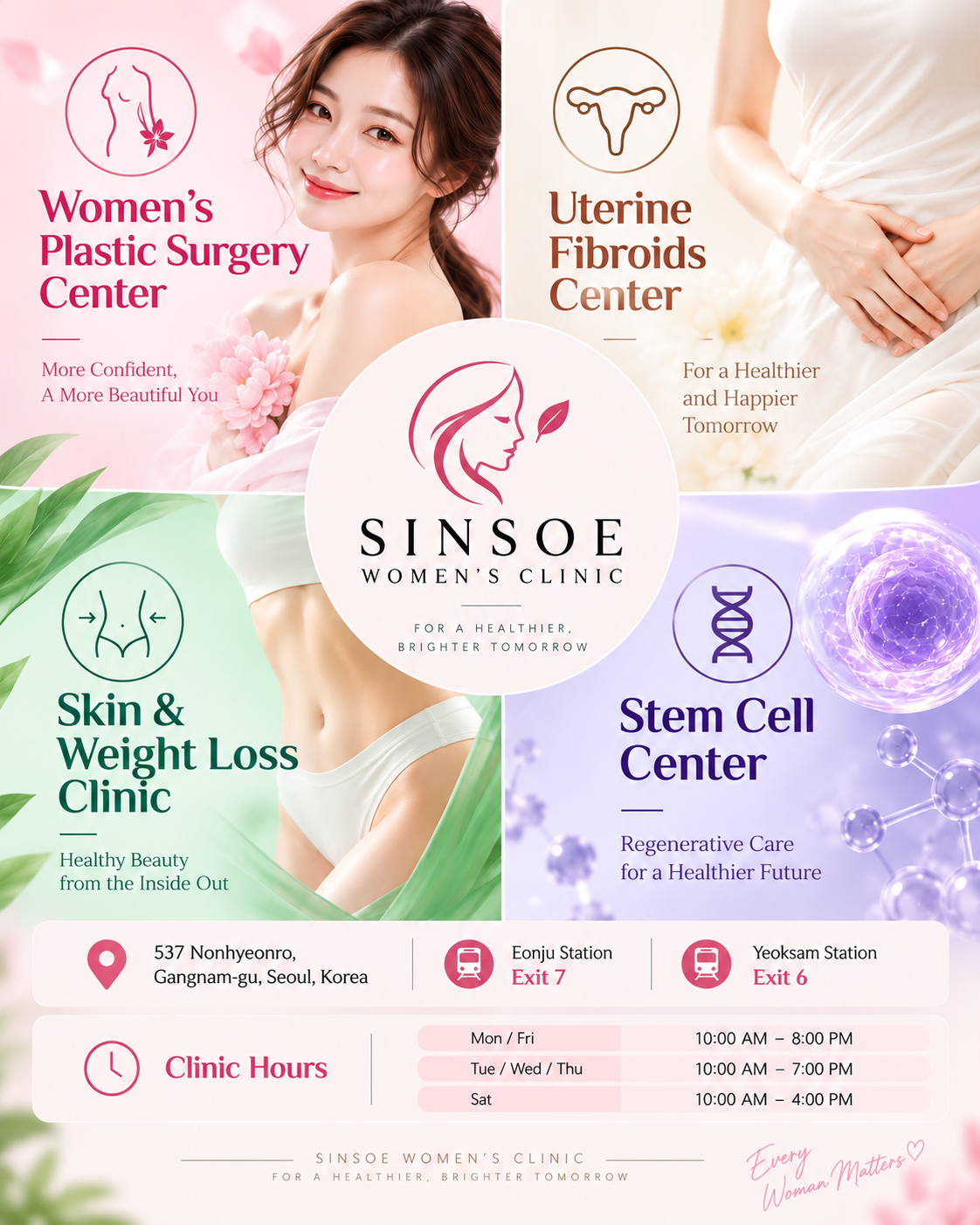
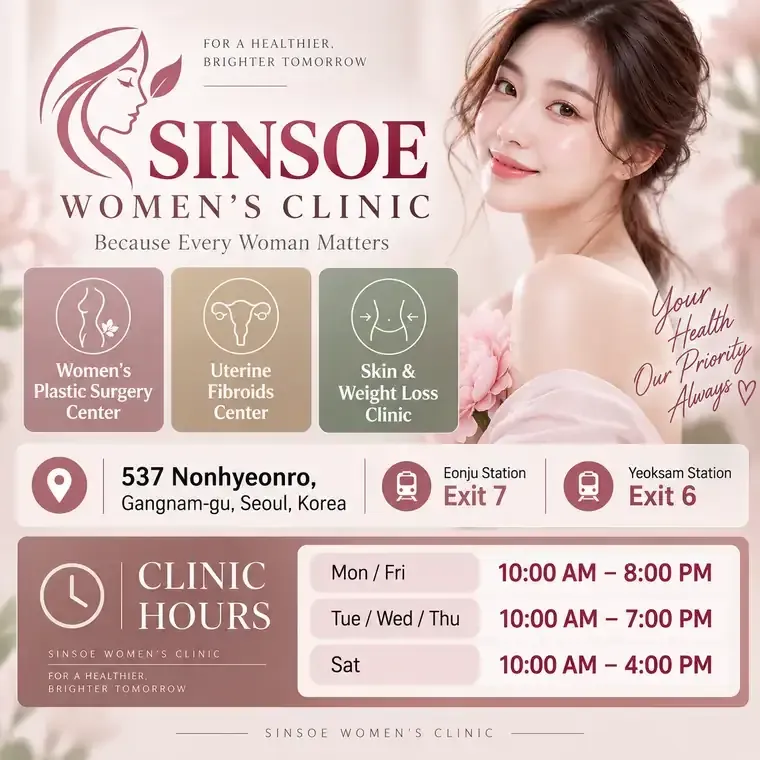
Sinsoe Women's Clinic is a female-led OB-GYN clinic at 537 Nonhyeon-ro, Gangnam-gu, Seoul, a short walk from Eonju Station (Line 9, Exit 7) and Yeoksam Station (Line 2, Exit 6). All physicians are female, board-certified OB-GYNs, and consultations are available in English. Message us on WhatsApp (+82-10-9517-5719) to book.
Hours: Mon & Fri 10:00–20:00 · Tue–Thu 10:00–19:00 · Sat 10:00–16:00 · Closed Sundays
This article is for general information only and is not a substitute for medical advice. Prices and procedures can change — please confirm details directly with the clinic.