Where to Find an English-Speaking Gynecologist in Seoul
Practical ways to find a gynecologist in Seoul who can care for you in English
Quick answer: The easiest places to find an English-speaking gynecologist in Seoul are areas popular with international residents, such as Gangnam, Itaewon and Yongsan, plus the international clinics of university hospitals for complex care. Check that the doctor personally speaks English and that booking is possible by message.
Seoul is home to excellent women's healthcare, but finding a gynecologist who can explain things clearly in English takes a little know-how. Here are the most reliable ways to find one.

1. Start With Neighborhoods Popular With Internationals
Clinics in areas with many expats, business travelers and medical tourists are more likely to have English-speaking doctors and staff:
- Gangnam (Gangnam, Yeoksam, Sinnonhyeon, Eonju) — a large concentration of specialist women's clinics
- Itaewon / Hannam — long-established expat area
- Jongno / Gwanghwamun — central business district
- Yeouido — finance district with many international workers
2. Check Clinic Websites for Real English Content
A clinic that invests in a detailed English website — with doctor profiles, services and contact options — is usually prepared for international patients. Look for clear statements that consultations are available in English.
3. Use International Clinics at University Hospitals (for Complex Care)
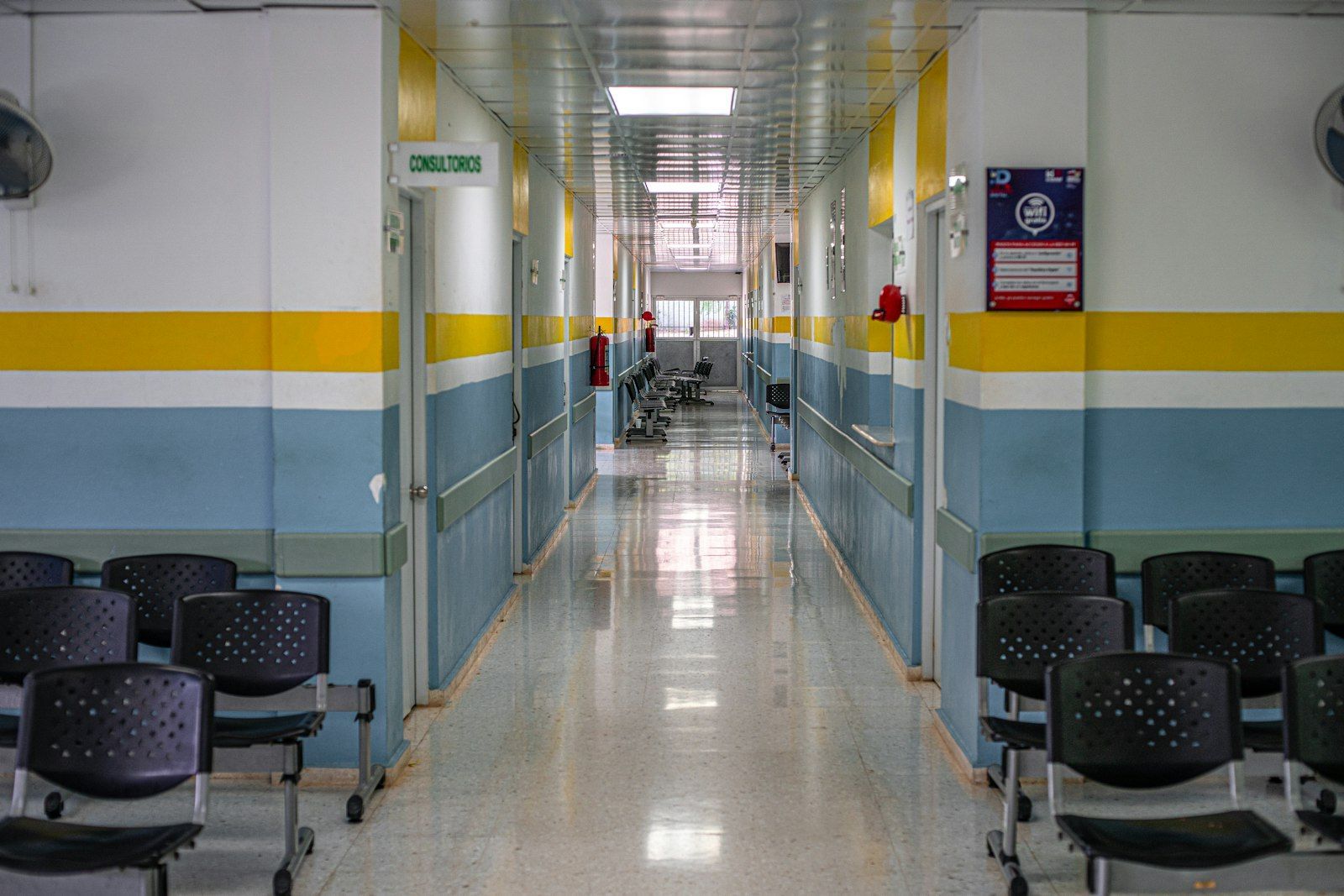
Major university hospitals in Seoul run International Healthcare Centers with interpreters. These are excellent for complex conditions, surgery or high-risk pregnancy, but they can involve longer waits and higher costs for routine care.
4. Ask Your Community
Expat Facebook groups, embassy resources, international schools and colleagues can be helpful sources of recommendations. Ask specifically whether the doctor spoke English, not just the receptionist.
5. Use Helplines if You Need Language Support
- 1330 Korea Travel Hotline — 24/7 interpretation and information for visitors
- 120 Dasan Call Center (Seoul) — city information with foreign-language options
- 119 — emergencies (interpretation support is available)
Questions to Ask Before Booking
- Does the doctor consult in English?
- Is a female gynecologist available?
- Can I book by WhatsApp, KakaoTalk or email?
- Are ultrasound and lab tests done on site?
- Can you give me an itemized receipt for my insurance?
What Makes a Good Fit
The best gynecologist for you is one who listens, explains your options in plain English, respects your choices and makes follow-up easy. Once you find that clinic, staying with the same team gives you continuity of care during your time in Korea.
Frequently Asked Questions
Do university hospitals in Seoul have English-speaking gynecologists?
Many have international healthcare centers with interpreters or English-speaking staff, but waiting times are longer and they suit complex cases better than routine visits.
Is it possible to see a female gynecologist in English?
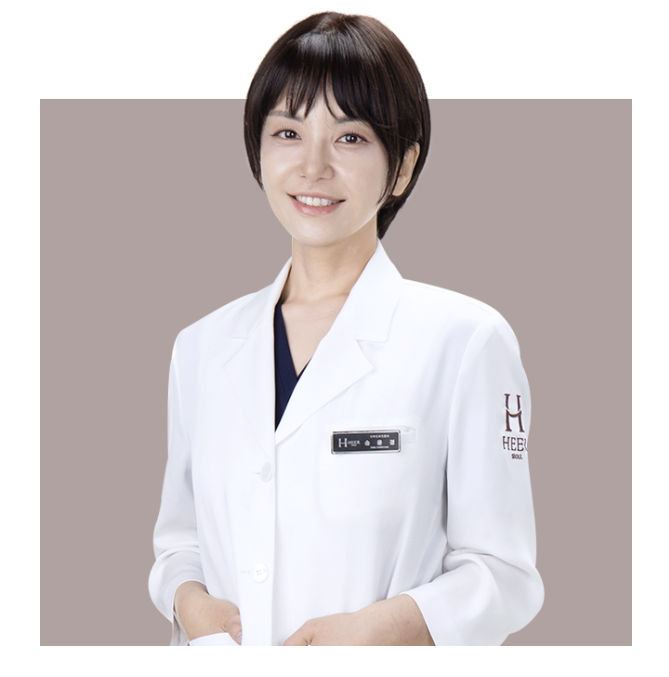
Yes. Some clinics, including female-led practices in Gangnam, have only female board-certified OB-GYNs who consult in English.
How can I confirm a clinic’s English before booking?
Send a message asking whether the doctor consults in English and whether reports or receipts can be issued in English.
Related Guides
- How to Choose an English-Speaking OB-GYN in Seoul
- English-Speaking OB-GYN in Gangnam: A Guide for Foreigners
- Female Doctor OB-GYN in Gangnam: A Guide for International Patients
- OB-GYN in Gangnam vs University Hospital: Where Should Foreigners Go?
- Complete Guide to Women's Healthcare in Korea for Foreigners
Book an English-Speaking OB-GYN Visit in Gangnam
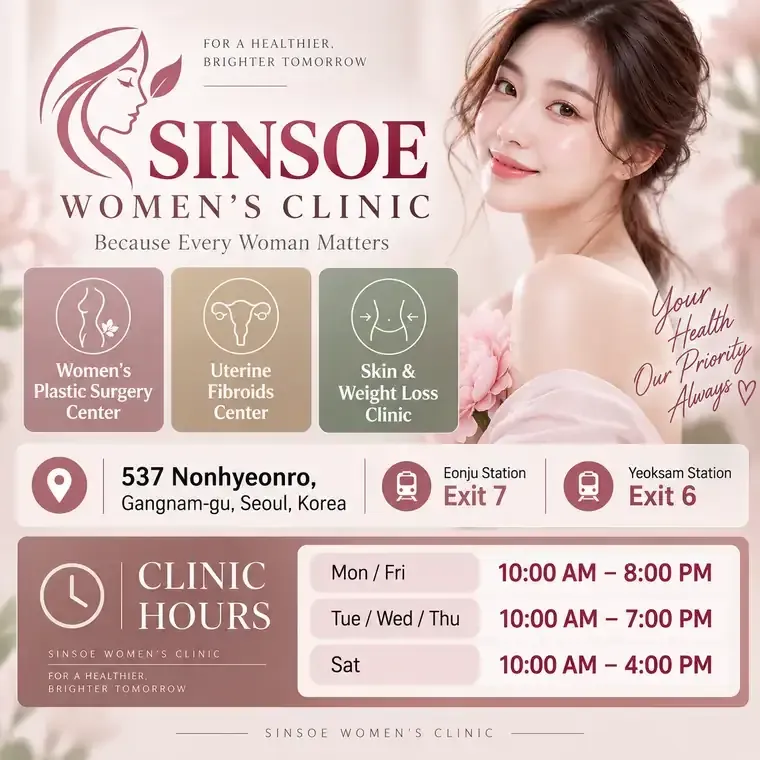
Sinsoe Women's Clinic is a female-led OB-GYN clinic at 537 Nonhyeon-ro, Gangnam-gu, Seoul, a short walk from Eonju Station (Line 9, Exit 7) and Yeoksam Station (Line 2, Exit 6). All physicians are female, board-certified OB-GYNs, and consultations are available in English. Message us on WhatsApp (+82-10-9517-5719) to book.
Hours: Mon & Fri 10:00–20:00 · Tue–Thu 10:00–19:00 · Sat 10:00–16:00 · Closed Sundays
This article is for general information only and is not a substitute for medical advice. Prices and procedures can change — please confirm details directly with the clinic.