OB-GYN in Gangnam vs University Hospital: Where Should Foreigners Go?
Clinic or big hospital? Matching the right place to your needs
Quick answer: For routine gynecology, contraception, checkups, infections and early pregnancy, a local OB-GYN clinic in Gangnam is usually faster, more personal and less expensive. University hospitals are better for complex surgery, cancer care, high-risk pregnancy and emergencies, and they often require a referral for lower fees.
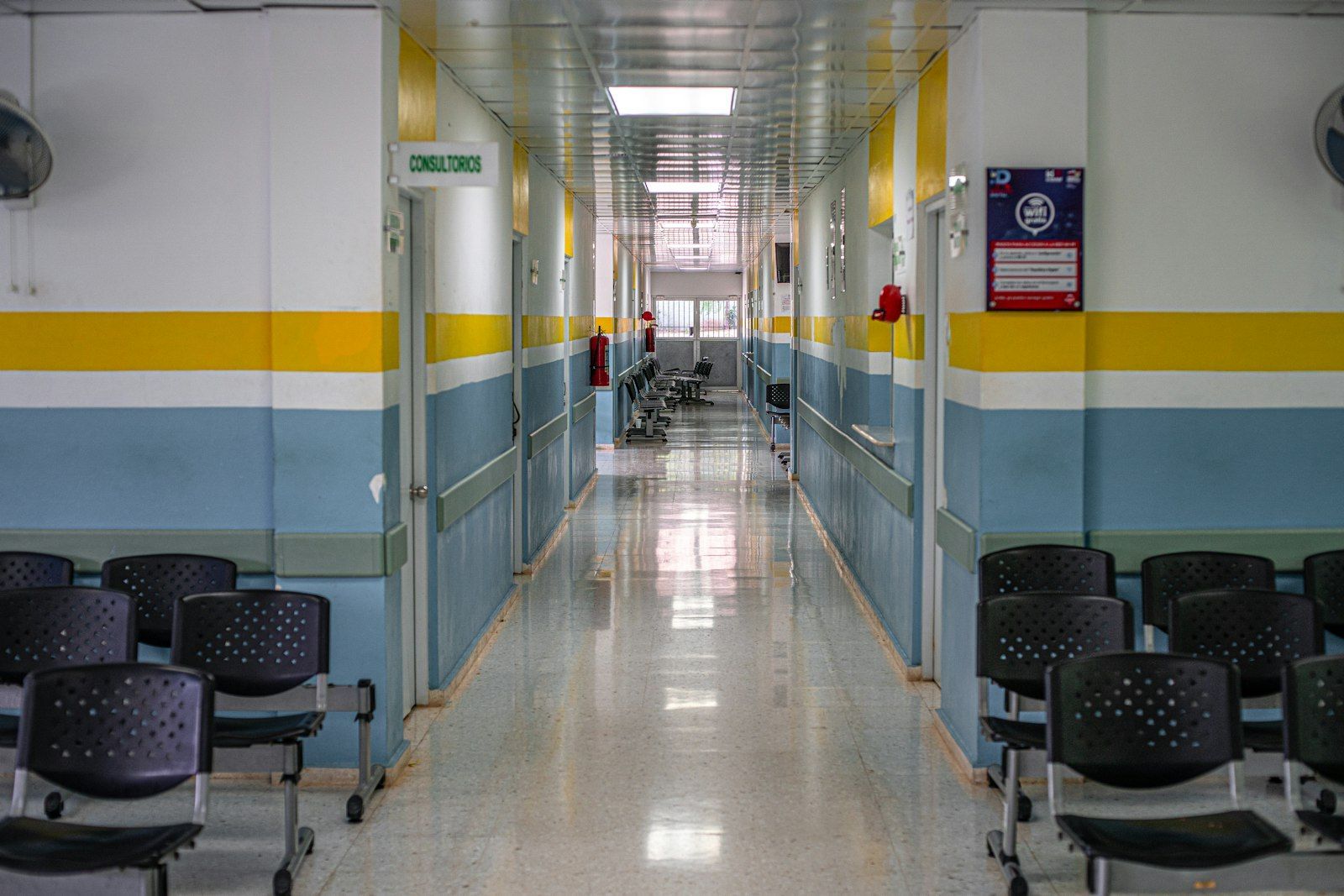
When you need women's healthcare in Korea, you'll usually choose between a local OB-GYN clinic and a large university hospital. Both offer high-quality care, but they suit different needs. Here's how to decide.
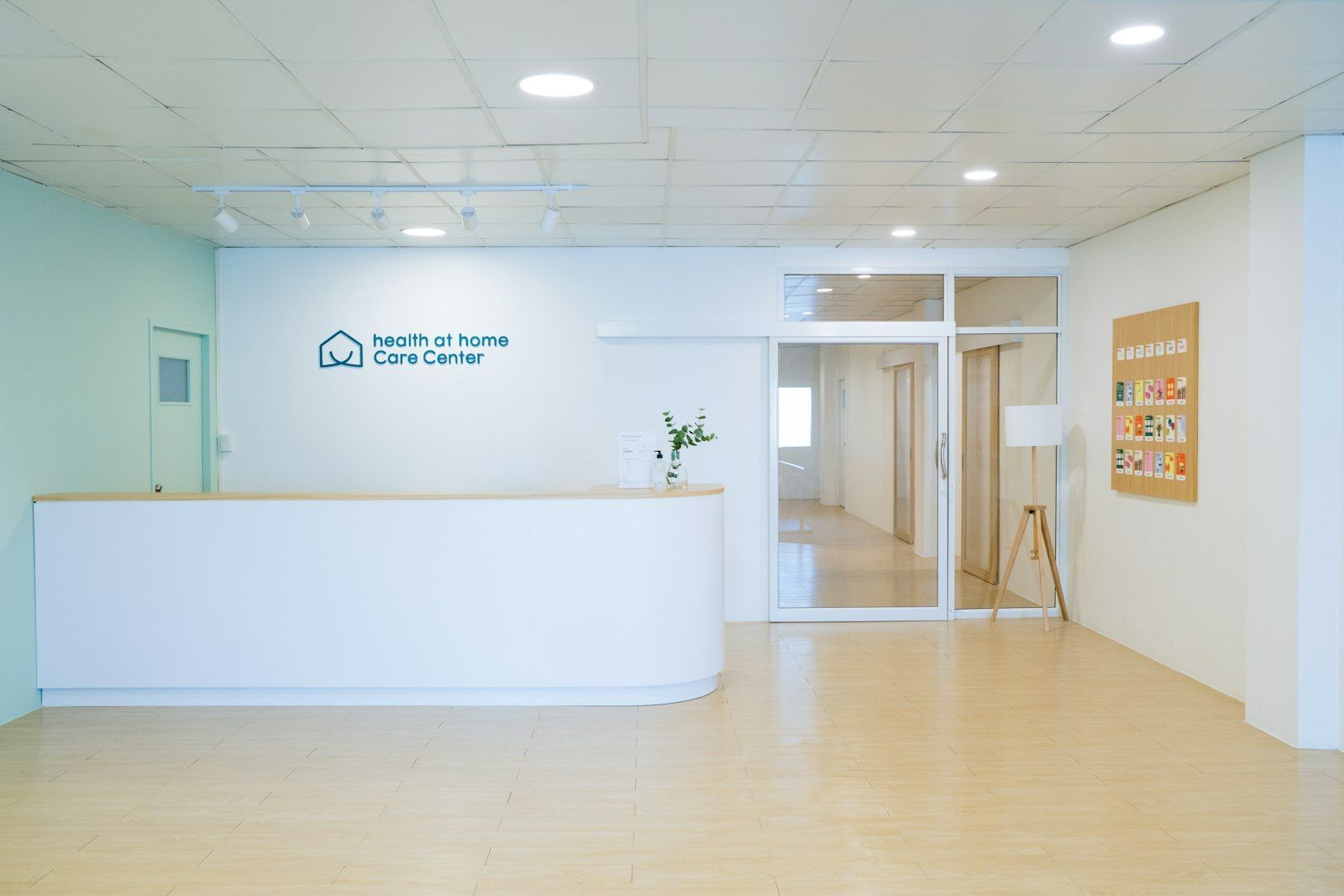
Local OB-GYN Clinics
Best for: routine and many specialist needs.
- Shorter waits and faster appointments
- Walk-ins often accepted
- More personal, continuous care with the same doctor
- Ultrasound and common tests on site
- Generally lower costs
- Many clinics in Gangnam offer English-speaking doctors
Typical services include checkups, Pap smears, contraception, STI testing, infections, period problems, early pregnancy care and many outpatient procedures.
University Hospitals
Best for: complex or high-risk situations.
- Major surgery and complex conditions
- High-risk pregnancies
- Suspected or confirmed cancer
- Patients with multiple serious medical conditions
- Many have international healthcare centers with interpreters
Things to Consider About Hospitals
- Longer waits for appointments
- Higher costs, especially without a referral
- A referral letter from a clinic may be needed for the best insurance coverage
- You may see different doctors at each visit
A Practical Approach
For most women, a local OB-GYN clinic is the best starting point. If you need specialized care, the clinic can refer you to a hospital and share your test results, saving time and duplicate tests.
In an Emergency
For severe pain, heavy bleeding or pregnancy emergencies, go directly to a hospital emergency department or call 119.
Finding the Right Clinic
Look for an English-speaking OB-GYN clinic with on-site testing, convenient hours and clear communication — it can handle most of your needs and guide you if you need more.
Frequently Asked Questions
Do I need a referral to see a university hospital specialist?
You can go without one, but a referral from a clinic usually lowers your NHIS costs at tertiary hospitals.
Are waiting times longer at hospitals?
Yes. Appointments and tests at large hospitals can take weeks, while clinics often see you the same day.
Where should I go in an emergency?
Go to a hospital emergency department or call 119.
Related Guides
- Best OB-GYN Clinics in Gangnam for Foreigners: What to Look For
- Emergency OB-GYN Care in Seoul: When Should You Seek Immediate Medical Help?
- How to Choose an English-Speaking OB-GYN in Seoul
- Does Korean Health Insurance Cover OB-GYN Visits for Foreigners?
- Complete Guide to Women's Healthcare in Korea for Foreigners
Book an English-Speaking OB-GYN Visit in Gangnam
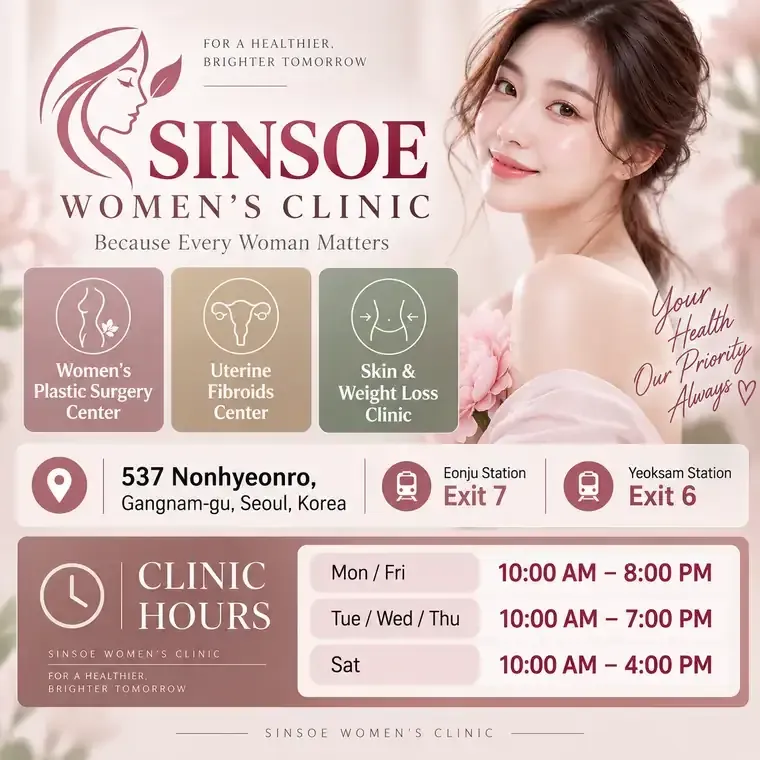
Sinsoe Women's Clinic is a female-led OB-GYN clinic at 537 Nonhyeon-ro, Gangnam-gu, Seoul, a short walk from Eonju Station (Line 9, Exit 7) and Yeoksam Station (Line 2, Exit 6). All physicians are female, board-certified OB-GYNs, and consultations are available in English. Message us on WhatsApp (+82-10-9517-5719) to book.
Hours: Mon & Fri 10:00–20:00 · Tue–Thu 10:00–19:00 · Sat 10:00–16:00 · Closed Sundays
This article is for general information only and is not a substitute for medical advice. Prices and procedures can change — please confirm details directly with the clinic.