How to Get Birth Control Pills in Korea
Pharmacy or prescription? A step-by-step guide to getting the pill in Korea
Quick answer: To get birth control pills in Korea, take the name of your current pill to a pharmacy (yakguk), where many combined pills are sold without a prescription, or visit an OB-GYN if your brand needs a prescription, you have health conditions, or you want advice on side effects or a different method.
Getting birth control pills in Korea is often simpler than foreigners expect. Many combined pills are available directly from a pharmacy, while others require a short visit to a doctor. Here is a step-by-step guide to getting the pill in Korea, even if you don't speak Korean.
Step 1: Know What You Currently Take
If you're already on the pill, check the active ingredients and doses on your packet (for example, ethinylestradiol and desogestrel, or drospirenone). Korean brand names may differ from those at home, but the ingredients are what matter. A photo of the box or leaflet is very helpful.
Step 2: Decide Between Pharmacy and Clinic
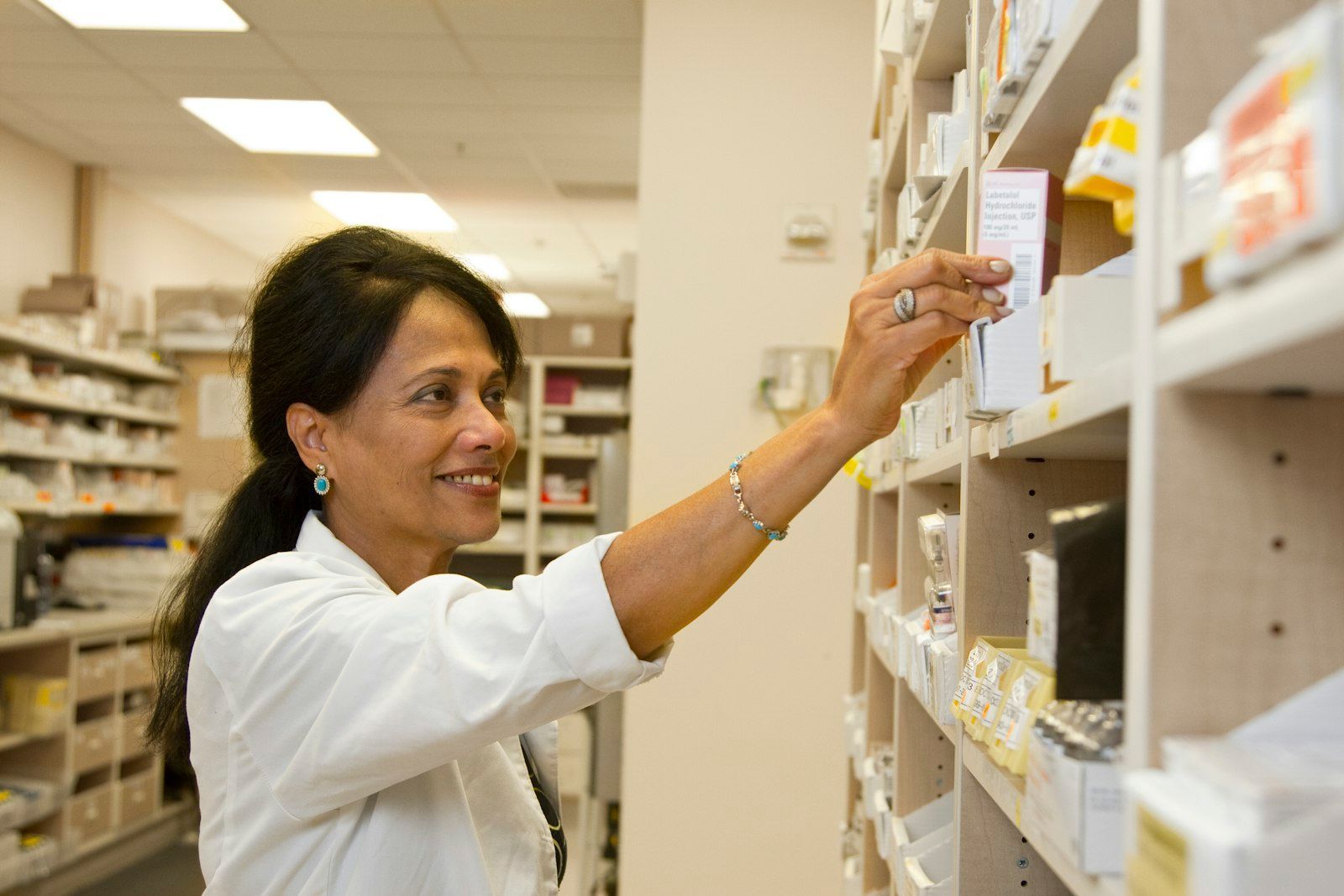
Pharmacy (no prescription): Several common combined pills are sold over the counter. You can walk into any pharmacy, show the pharmacist your current pill or say you'd like an oral contraceptive, and buy a one-month pack.
Clinic (prescription): Some pills — including many drospirenone-containing brands — are prescription-only. A doctor's visit is also recommended if you are starting the pill for the first time, have health conditions, or want advice on side effects.
Step 3: Visiting a Pharmacy
- Pharmacies are marked with a green or red cross and the word "pharmacy" in Korean; many are near subway stations and clinics.
- Show your current pill or its ingredients on your phone.
- Ask how to start the new pack if you're switching brands.
- Pharmacists in busy areas like Gangnam often speak some English.
Step 4: Visiting an OB-GYN
At the clinic, the doctor will ask about your medical history, blood pressure, smoking status and any history of migraines or blood clots. If a prescription pill is right for you, you'll receive a prescription to take to a pharmacy. The visit is also a chance to discuss alternatives such as an IUD or implant.
Starting the Pill Correctly
- Starting on the first day of your period usually gives immediate protection.
- Starting at another time often requires a backup method, such as condoms, for the first seven days.
- If you switch brands, ask whether to start the new pack immediately or after a break.
When to See a Doctor Instead
See a doctor before starting or continuing the pill if you have severe headaches with visual changes, high blood pressure, a history of blood clots, are over 35 and smoke, or experience leg pain, chest pain or shortness of breath while taking it — the last group of symptoms needs urgent care.
Planning Ahead
If you take a prescription brand, keep enough supply for travel and holidays, as clinics close on Sundays and public holidays. Many women find it easiest to set a reminder on their phone for both daily pills and refills.
Frequently Asked Questions
Which birth control pills need a prescription in Korea?
Many combined pills are over the counter, while some newer formulations and progestin-only pills require a prescription from a doctor.
How do I find the Korean equivalent of my pill?
Show the pharmacist or doctor the active ingredients and doses on your packaging; they can usually suggest the same or a similar product.
When should I see a doctor instead of a pharmacy?
See an OB-GYN if you smoke and are over 35, have migraines with aura, high blood pressure, a history of blood clots, or unusual bleeding on the pill.
Related Guides
- Birth Control Pills in Korea: Types, Cost & Prescription Guide
- Birth Control in Korea: A Complete Guide for Foreign Women
- Morning-After Pill in Seoul: Prescription, Cost & Where to Go
- Korean OB-GYN Vocabulary: Useful English & Korean Phrases
- Complete Guide to Women's Healthcare in Korea for Foreigners
Book an English-Speaking OB-GYN Visit in Gangnam
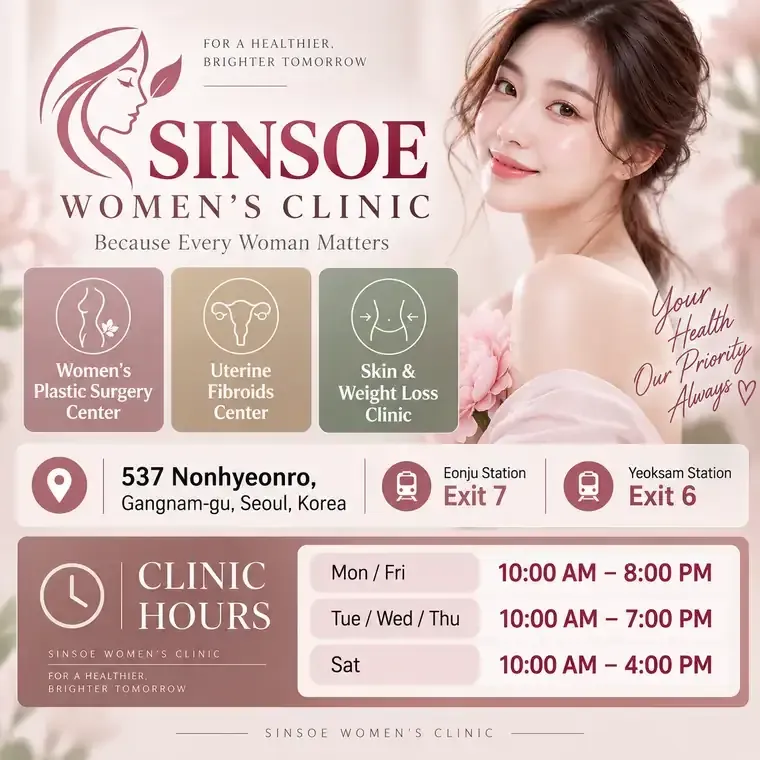
Sinsoe Women's Clinic is a female-led OB-GYN clinic at 537 Nonhyeon-ro, Gangnam-gu, Seoul, a short walk from Eonju Station (Line 9, Exit 7) and Yeoksam Station (Line 2, Exit 6). All physicians are female, board-certified OB-GYNs, and consultations are available in English. Message us on WhatsApp (+82-10-9517-5719) to book.
Hours: Mon & Fri 10:00–20:00 · Tue–Thu 10:00–19:00 · Sat 10:00–16:00 · Closed Sundays
This article is for general information only and is not a substitute for medical advice. Prices and procedures can change — please confirm details directly with the clinic.