PCOS Treatment in Korea: Symptoms, Diagnosis & Options
Irregular periods, acne, hair growth — understanding and managing PCOS
Quick answer: PCOS (polycystic ovary syndrome) is diagnosed when two of three features are present: irregular or absent ovulation, signs of high androgens (acne, extra hair) and polycystic-looking ovaries on ultrasound. Treatment in Korea is tailored to your goals — regular periods, skin symptoms, weight or fertility.
Polycystic ovary syndrome (PCOS) is one of the most common hormonal conditions in women of reproductive age. It can affect your periods, skin, weight and fertility — but with the right diagnosis and care, symptoms can be managed well. Here's how PCOS is diagnosed and treated in Korea.
Common Symptoms
- Irregular, infrequent or absent periods
- Acne or oily skin
- Excess facial or body hair
- Thinning hair on the scalp
- Weight gain or difficulty losing weight
- Difficulty getting pregnant
Symptoms vary widely — some women have only one or two.
How PCOS Is Diagnosed
Doctors usually diagnose PCOS when at least two of the following are present, after ruling out other causes:
- Irregular or absent ovulation
- Signs of higher androgen (male hormone) levels, either in symptoms or blood tests
- Many small follicles in the ovaries on ultrasound
Tests You May Have
- Pelvic ultrasound to look at the ovaries and uterine lining
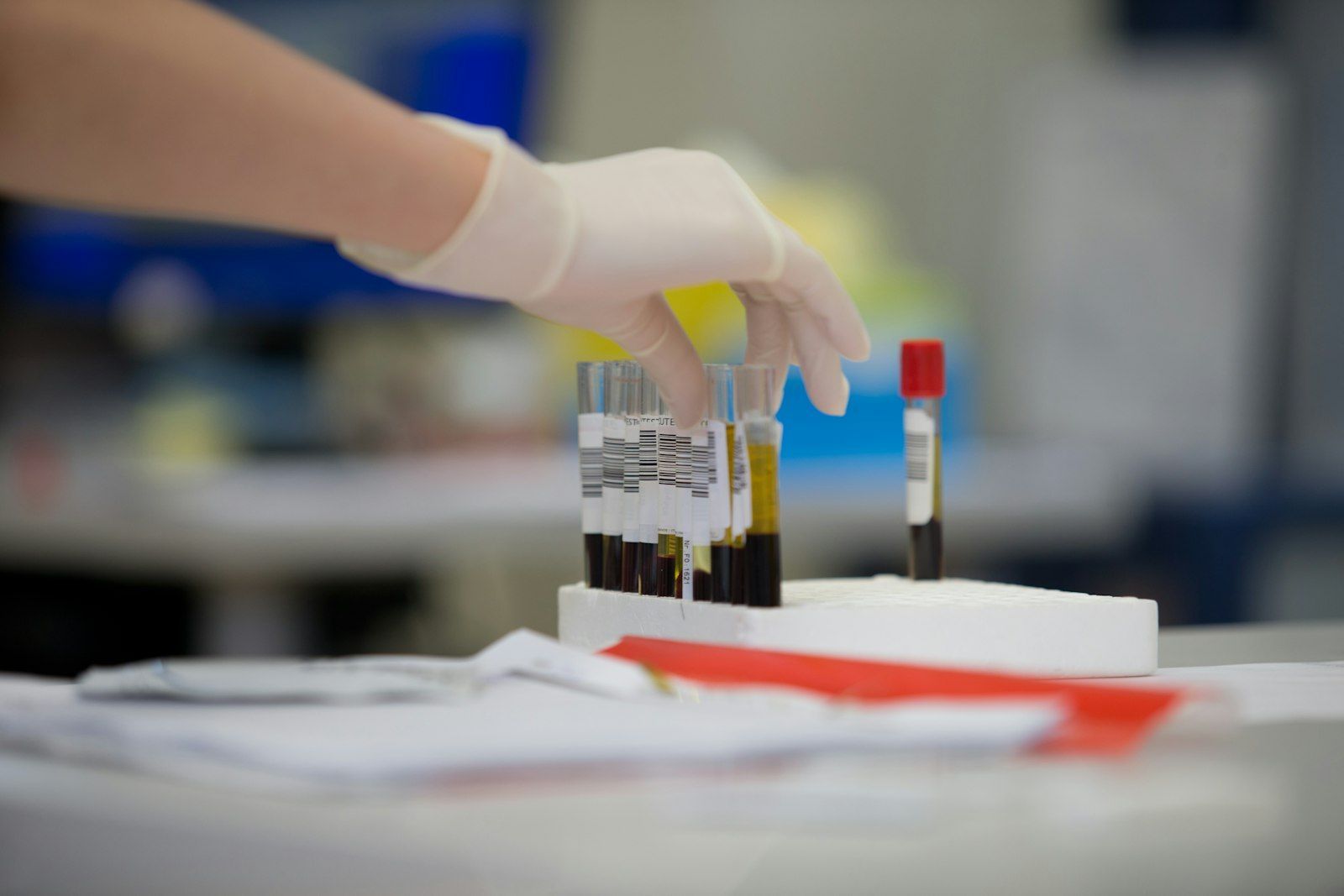
- Blood tests for hormones such as testosterone, LH, FSH, prolactin, thyroid function and AMH
- Metabolic tests such as blood sugar and cholesterol
Treatment Options
- Lifestyle changes: balanced eating, regular activity and modest weight loss if needed can improve cycles and symptoms.
- Hormonal contraception: to regulate periods and reduce acne and hair growth.
- Progestin therapy: to protect the uterine lining if periods are infrequent.
- Insulin-sensitizing medication: in some cases.
- Fertility treatment: such as ovulation induction if you're trying to conceive.
Long-Term Health
PCOS is linked to a higher risk of type 2 diabetes, high cholesterol and thickening of the uterine lining. Regular check-ups help catch and manage these risks early.
Why See an OB-GYN?
PCOS is a long-term condition, and treatment should match your goals — whether that's regular periods, clearer skin or pregnancy. An English-speaking OB-GYN can explain your results and build a plan with you.
Frequently Asked Questions
Can PCOS be cured?
There is no cure, but symptoms can be managed well with lifestyle changes, medication and, if needed, fertility treatment.
Can I get pregnant with PCOS?
Yes. Many women with PCOS conceive, sometimes with help such as ovulation-inducing medication.
Which tests diagnose PCOS?
Blood tests for hormones such as testosterone, LH and AMH, plus a transvaginal ultrasound of the ovaries.
Related Guides
- Irregular Periods: When Should You See an OB-GYN?
- AMH Test in Korea: Cost, Results & What Your Ovarian Reserve Means
- Trying to Get Pregnant in Korea: When Should You See an OB-GYN?
- Fertility Checkup in Korea: Tests, Costs & What to Expect
- Complete Guide to Women's Healthcare in Korea for Foreigners
Book an English-Speaking OB-GYN Visit in Gangnam
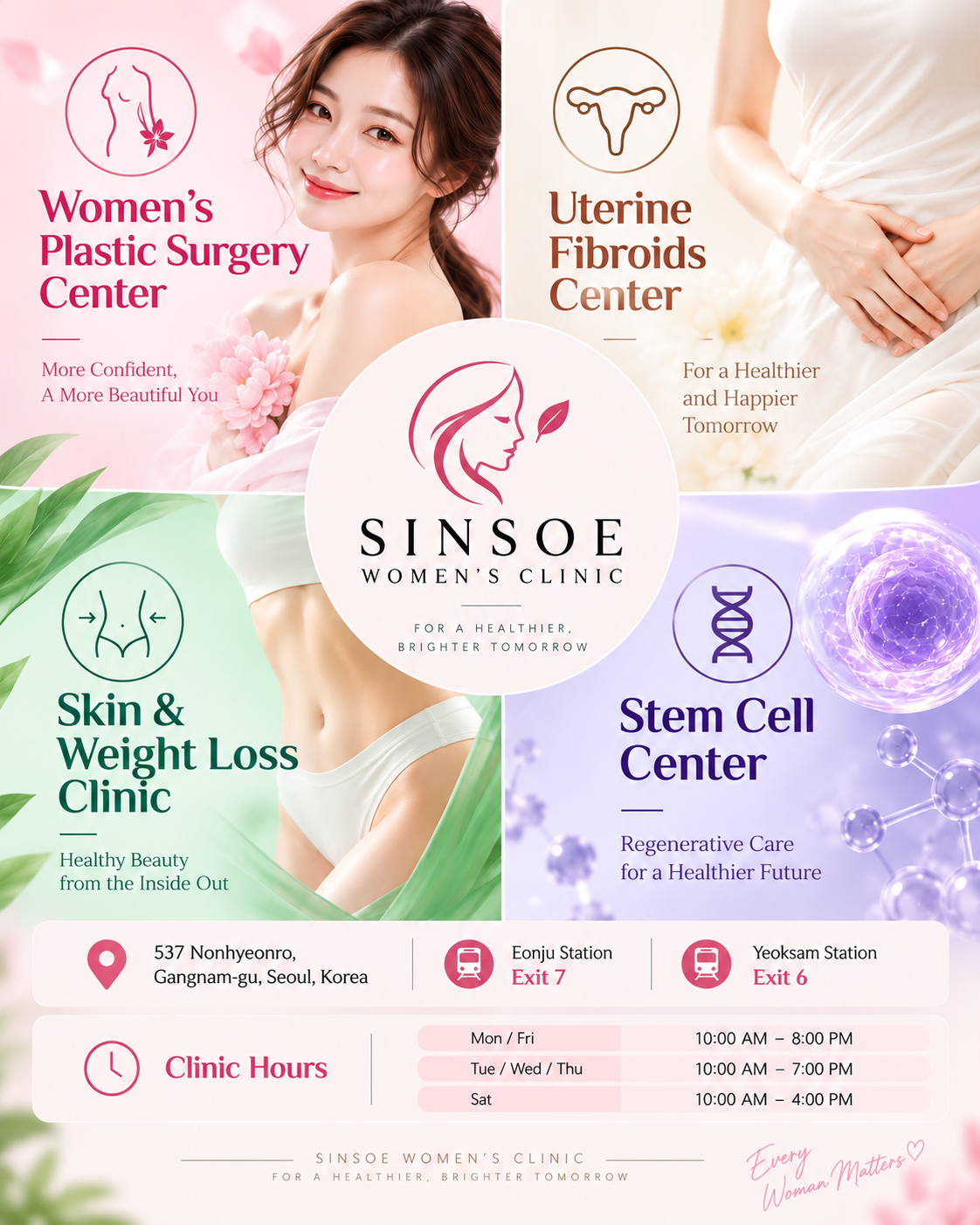
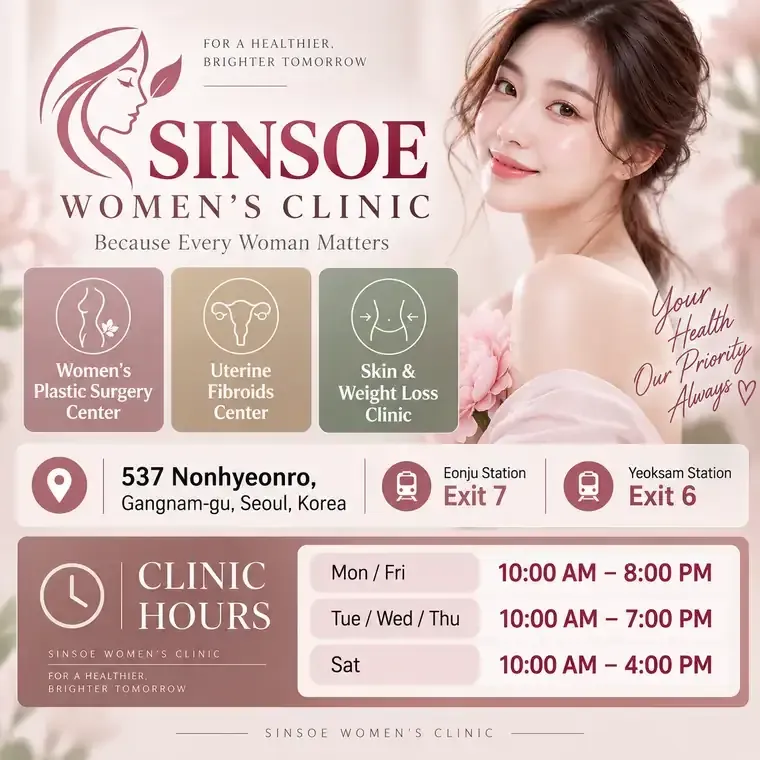
Sinsoe Women's Clinic is a female-led OB-GYN clinic at 537 Nonhyeon-ro, Gangnam-gu, Seoul, a short walk from Eonju Station (Line 9, Exit 7) and Yeoksam Station (Line 2, Exit 6). All physicians are female, board-certified OB-GYNs, and consultations are available in English. Message us on WhatsApp (+82-10-9517-5719) to book.
Hours: Mon & Fri 10:00–20:00 · Tue–Thu 10:00–19:00 · Sat 10:00–16:00 · Closed Sundays
This article is for general information only and is not a substitute for medical advice. Prices and procedures can change — please confirm details directly with the clinic.