Pregnant in Korea: When Should You First Visit an OB-GYN?
The right timing for your first visit — and when not to wait
Quick answer: Most women in Korea first visit an OB-GYN around 6–8 weeks of pregnancy, counted from the first day of the last period, when an ultrasound can confirm the location and heartbeat. Go sooner if you have bleeding, pain, a history of ectopic pregnancy or a chronic health condition.
You've just found out you're pregnant in Korea — congratulations! One of the first questions is when to see an OB-GYN. Here's a guide to timing your first visit, what happens there and when you shouldn't wait.

The Usual Timing
Most women have their first OB-GYN visit around 6–8 weeks of pregnancy, counted from the first day of the last menstrual period. By then, an ultrasound can usually confirm the pregnancy is in the uterus and often show a heartbeat.
Reasons to Go Sooner
- Vaginal bleeding or spotting
- Abdominal or pelvic pain, especially on one side
- A previous ectopic pregnancy or tubal surgery
- Pregnancy after fertility treatment
- Chronic conditions such as diabetes, thyroid disease or high blood pressure
- Medications that may need adjusting
- Severe nausea and vomiting
What Happens at the First Visit
- Medical history and review of your medications
- Confirmation of pregnancy with a urine or blood test
- Transvaginal ultrasound to confirm location, number of embryos and heartbeat
- Due date calculation
- Advice on nutrition, supplements and lifestyle
- Planning your next tests and visits
What to Bring
- Passport or ARC and insurance information
- The date of your last period
- A list of medications and supplements
- Any previous pregnancy or medical records
Emergency Warning Signs
Seek immediate care — call 119 or go to an emergency room — if you have heavy bleeding, severe abdominal pain, shoulder-tip pain, dizziness or fainting. These can be signs of an ectopic pregnancy.
Starting Early Healthy Habits
- Begin or continue folic acid
- Avoid alcohol, smoking and unnecessary medications
- Rest and stay hydrated
Care in English
An English-speaking OB-GYN can guide you through each stage of pregnancy in Korea, explain test results clearly and help you plan ahead.
Frequently Asked Questions
Why not visit an OB-GYN immediately after a positive test?
You can, but very early scans may not yet show the pregnancy clearly, so 6–8 weeks is often ideal unless you have symptoms.
What should I bring to my first pregnancy visit?
Bring your ID or ARC, insurance details, the date of your last period, medications and any previous medical records.
Should I start folic acid?
Yes. Folic acid is recommended from before conception through early pregnancy; ask your doctor about the right dose.
Related Guides
- Pregnancy Test and Early Pregnancy Checkup in Seoul
- Pregnancy Confirmation in Gangnam: Tests, Ultrasound & First Visit
- Missed Period and Positive Pregnancy Test in Korea: What Should You Do Next?
- Prenatal Care in Korea: A Guide for Foreign Mothers
- Complete Guide to Women's Healthcare in Korea for Foreigners
Book an English-Speaking OB-GYN Visit in Gangnam
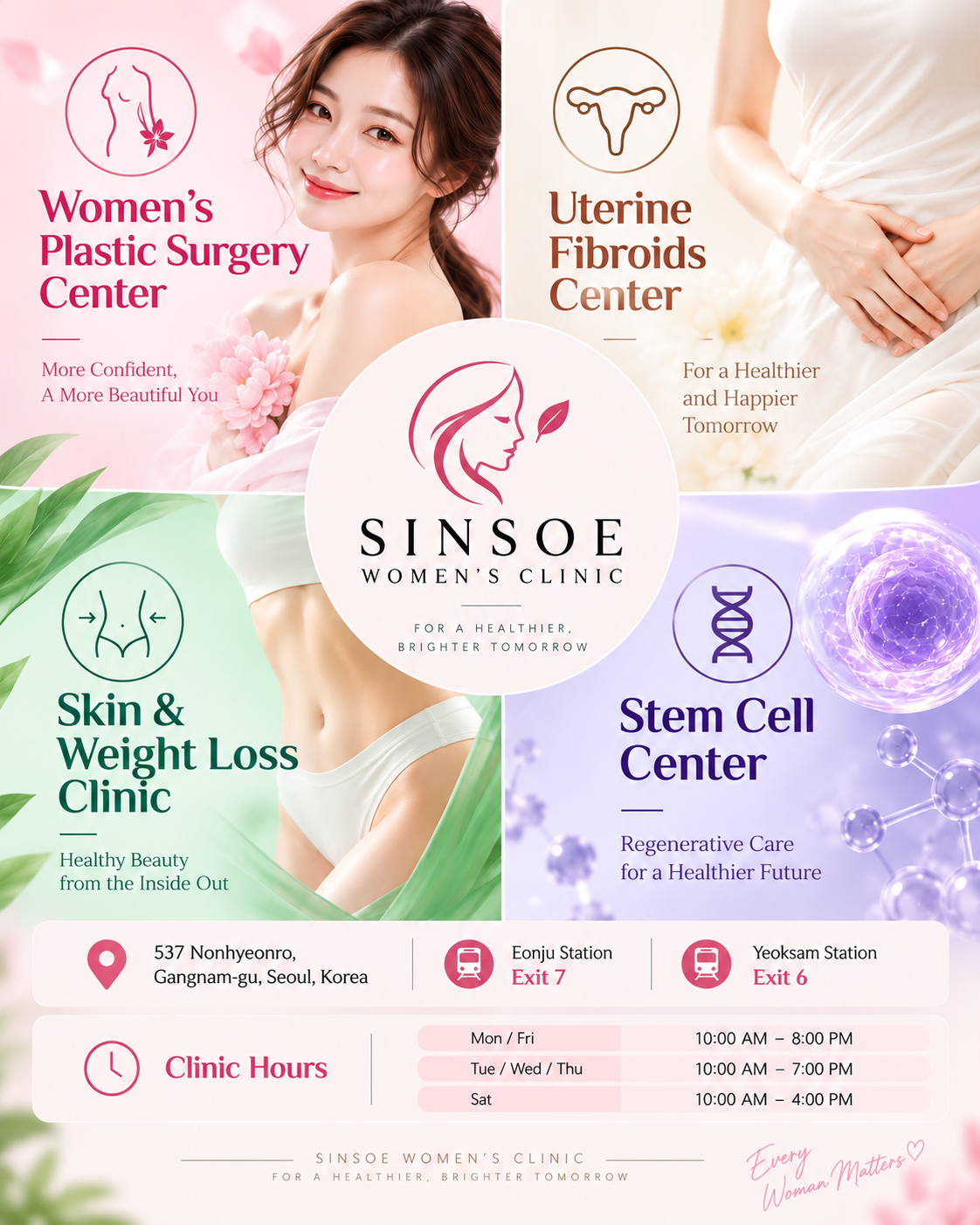
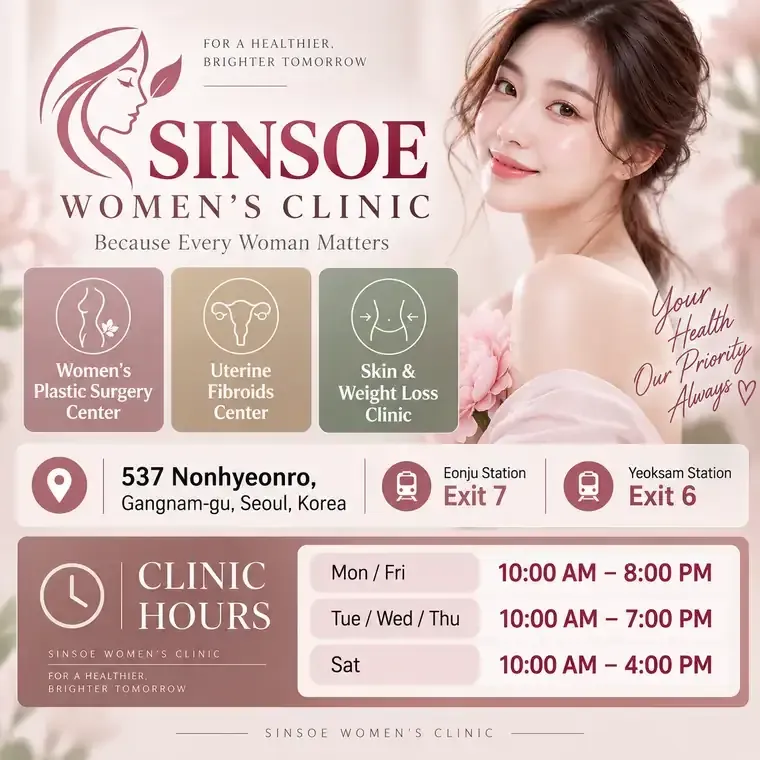
Sinsoe Women's Clinic is a female-led OB-GYN clinic at 537 Nonhyeon-ro, Gangnam-gu, Seoul, a short walk from Eonju Station (Line 9, Exit 7) and Yeoksam Station (Line 2, Exit 6). All physicians are female, board-certified OB-GYNs, and consultations are available in English. Message us on WhatsApp (+82-10-9517-5719) to book.
Hours: Mon & Fri 10:00–20:00 · Tue–Thu 10:00–19:00 · Sat 10:00–16:00 · Closed Sundays
This article is for general information only and is not a substitute for medical advice. Prices and procedures can change — please confirm details directly with the clinic.