Vaginal Infection Treatment in Seoul: A Guide for Foreigners
Fast diagnosis and the right treatment — in English
Quick answer: The three most common vaginal infections — bacterial vaginosis, yeast infection and trichomonas — need different treatments, so an accurate diagnosis matters. At an OB-GYN clinic in Seoul the doctor takes a quick swab, can often confirm the cause the same day and prescribes tablets, vaginal medicine or cream.
Vaginal infections are very common and usually simple to treat — once you know which infection you have. If you're in Seoul and dealing with itching, unusual discharge or odor, here's how diagnosis and treatment work for foreign patients.
The Three Most Common Vaginal Infections
- Yeast infection: caused by an overgrowth of Candida; typically itching and thick white discharge.
- Bacterial vaginosis (BV): an imbalance of vaginal bacteria; thin gray discharge and fishy odor.
- Trichomoniasis: a sexually transmitted parasite; frothy discharge, itching and burning.
Why an Accurate Diagnosis Matters
Symptoms overlap, and each infection needs a different treatment. Antifungal creams won't cure BV, and antibiotics can trigger yeast infections. A quick test helps you get the right treatment first time.
What Happens at the Clinic
- The doctor asks about your symptoms, cycle, sexual history and any recent antibiotics.
- A gentle pelvic exam is performed.
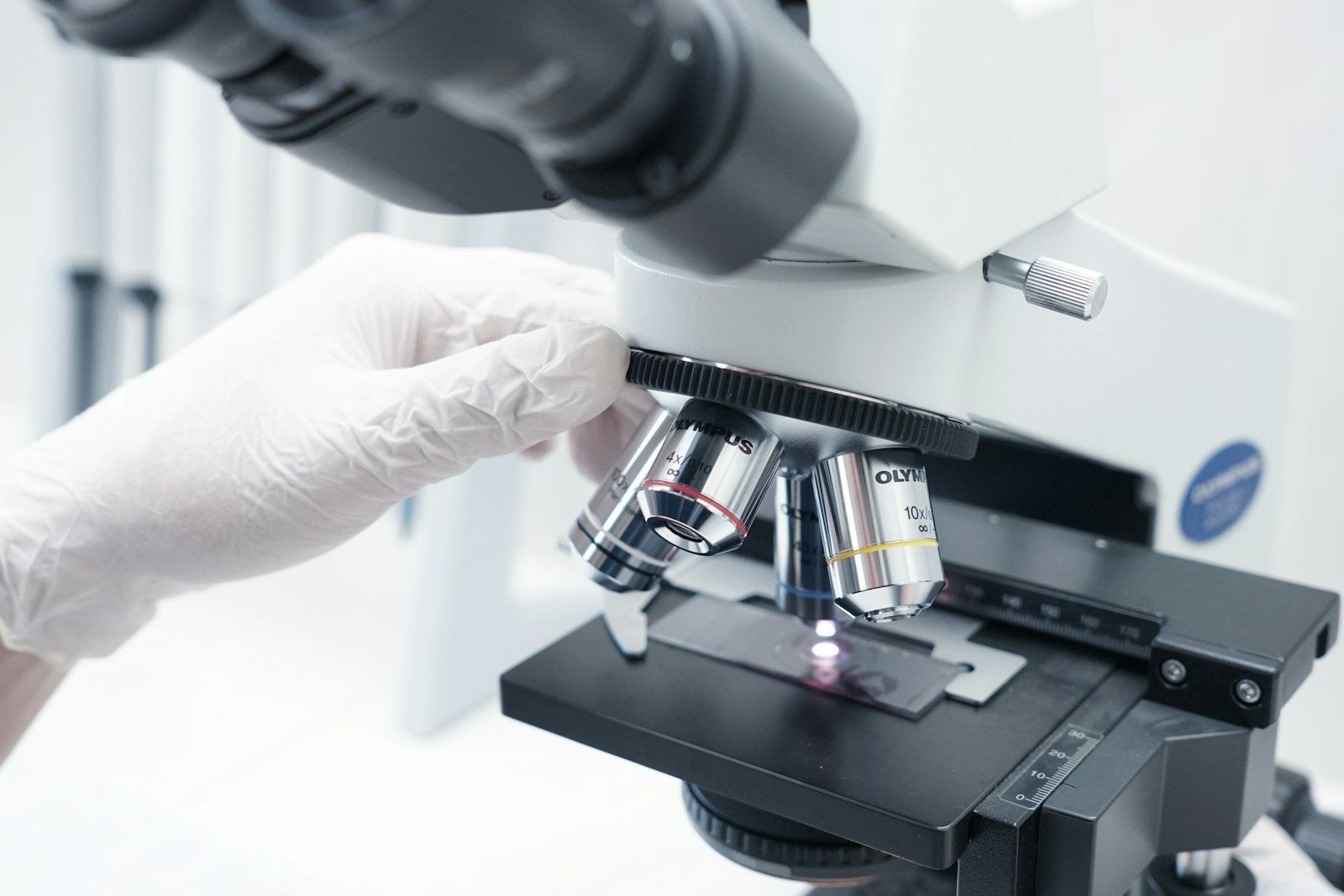
- A swab is taken to check for yeast, BV, trichomoniasis and other STIs if needed.
- Treatment is prescribed — often the same day.
Typical Treatments
- Yeast: oral or vaginal antifungal medicine
- BV: oral or vaginal antibiotics
- Trichomoniasis: oral antibiotics for both partners
Prescriptions are filled at a nearby pharmacy.
Approximate Costs
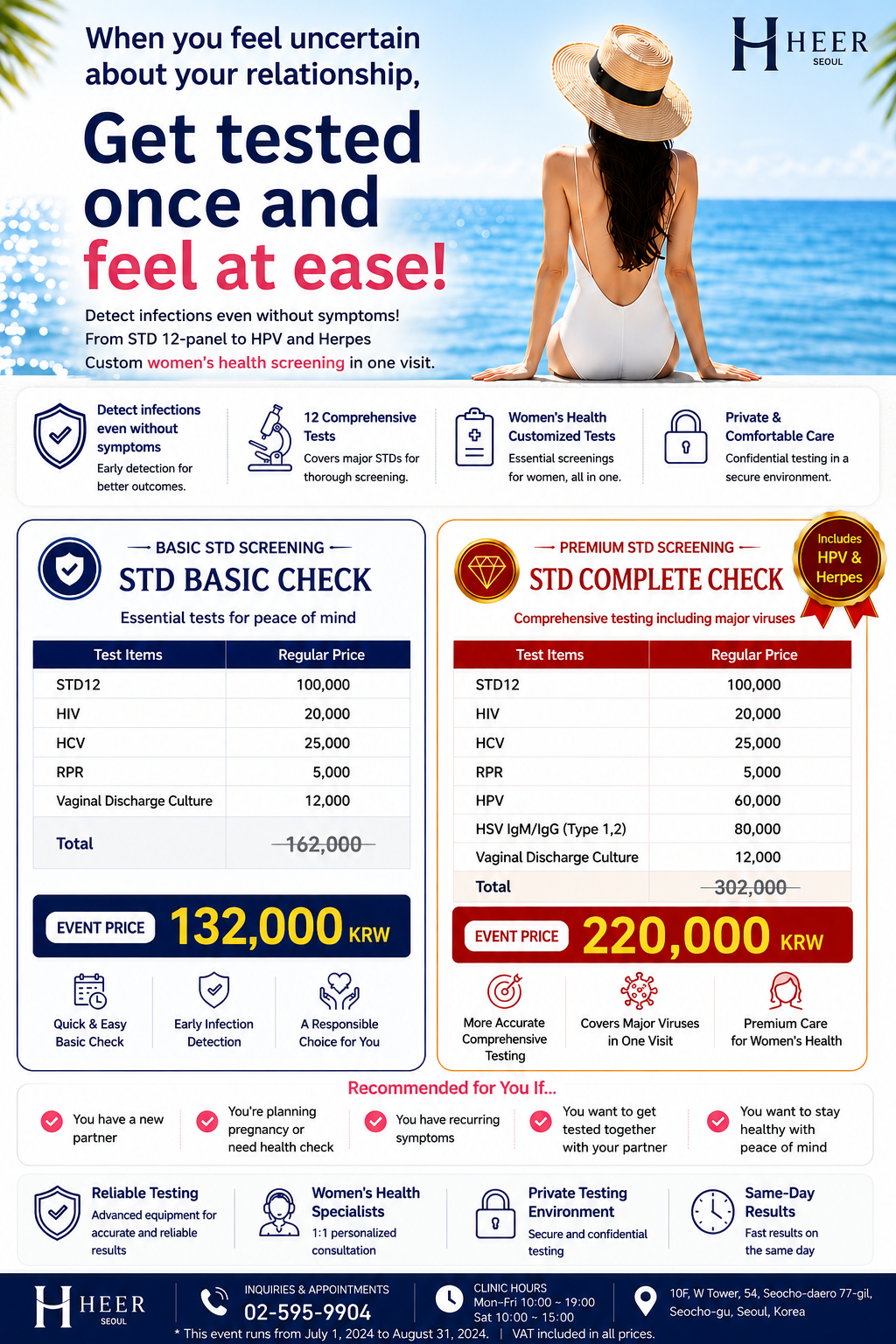
If you have symptoms and are enrolled in National Health Insurance, consultations and many tests are partly covered, so costs are often modest. Without insurance, ask for an estimate — a broad STI PCR panel costs more than a basic vaginitis test.
When to Come Back
- Symptoms don't improve within a few days of finishing treatment
- Infections return more than three or four times a year
- You develop fever, pelvic pain or unusual bleeding
Prevention Tips
- Avoid douching and scented products
- Wear breathable cotton underwear
- Change out of damp clothes promptly
- Use condoms with new partners
Frequently Asked Questions
How quickly can a vaginal infection be treated in Seoul?
Most patients receive a diagnosis and prescription at the first visit, and symptoms often improve within a few days.
Do I need to treat my partner?
For trichomonas, yes; for BV and yeast, partner treatment is usually not needed unless symptoms recur.
How can I prevent vaginal infections?
Avoid douching and scented products, wear breathable underwear and change out of wet clothes promptly.
Related Guides
- Bacterial Vaginosis (BV) Treatment in Korea: A Foreigner's Guide
- Yeast Infection Treatment in Korea: Symptoms, Medicine & When to See a Doctor
- Recurrent Vaginitis: Why Does It Keep Coming Back?
- UTI or Vaginal Infection? How to Tell the Difference
- Complete Guide to Women's Healthcare in Korea for Foreigners
Book an English-Speaking OB-GYN Visit in Gangnam
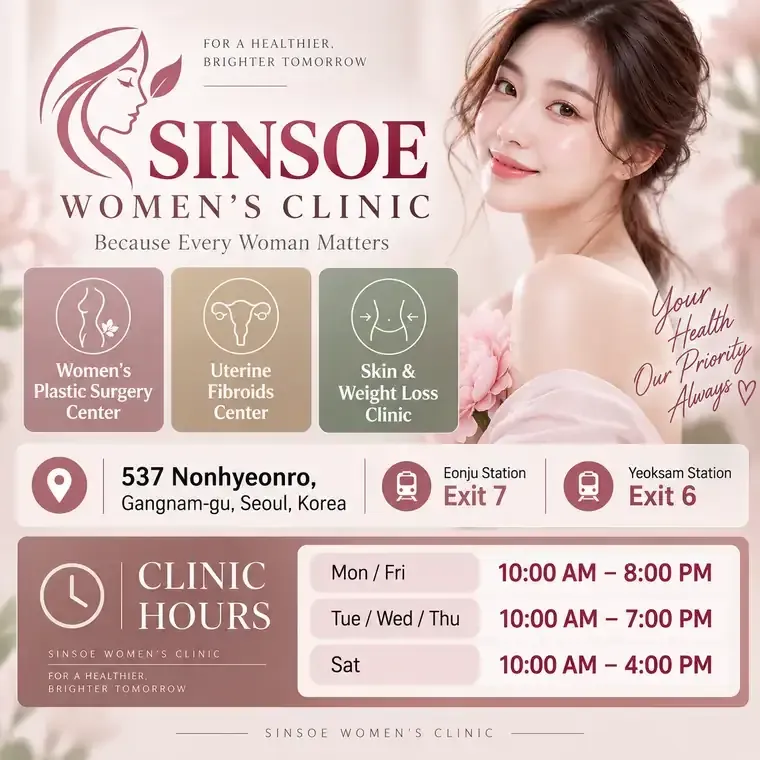
Sinsoe Women's Clinic is a female-led OB-GYN clinic at 537 Nonhyeon-ro, Gangnam-gu, Seoul, a short walk from Eonju Station (Line 9, Exit 7) and Yeoksam Station (Line 2, Exit 6). All physicians are female, board-certified OB-GYNs, and consultations are available in English. Message us on WhatsApp (+82-10-9517-5719) to book.
Hours: Mon & Fri 10:00–20:00 · Tue–Thu 10:00–19:00 · Sat 10:00–16:00 · Closed Sundays
This article is for general information only and is not a substitute for medical advice. Prices and procedures can change — please confirm details directly with the clinic.