Recurrent Vaginitis: Why Does It Keep Coming Back?
Common triggers of repeat infections and how to break the cycle
Quick answer: Vaginitis is considered recurrent when it returns three or more times a year. Common reasons include incomplete treatment, a misdiagnosed cause, resistant yeast species, hormonal changes, diabetes or irritating hygiene habits. An OB-GYN can confirm the cause with tests and plan longer-term suppressive treatment.
Few things are more frustrating than a vaginal infection that keeps coming back. If you've treated yeast infections or bacterial vaginosis(BV) several times only for symptoms to return, you're not alone — and there are effective ways to break the cycle.

What Counts as Recurrent?
Doctors usually consider infections recurrent if you have three or more episodes of BV or four or more yeast infections in a year.
Why Infections Keep Returning
- Incorrect diagnosis: treating BV as a yeast infection, or vice versa.
- Incomplete treatment: stopping medicine early once symptoms improve.
- Resistant yeast species: some types don't respond well to common antifungals.
- Disrupted vaginal bacteria: from douching, scented products or frequent antibiotics.
- Hormonal changes: around periods, pregnancy or with hormonal contraception.
- Medical factors: such as diabetes or a weakened immune system.
- Sexual factors: new partners and unprotected sex are linked to BV recurrence.
How Doctors Investigate
- Testing during an active episode to confirm the type of infection
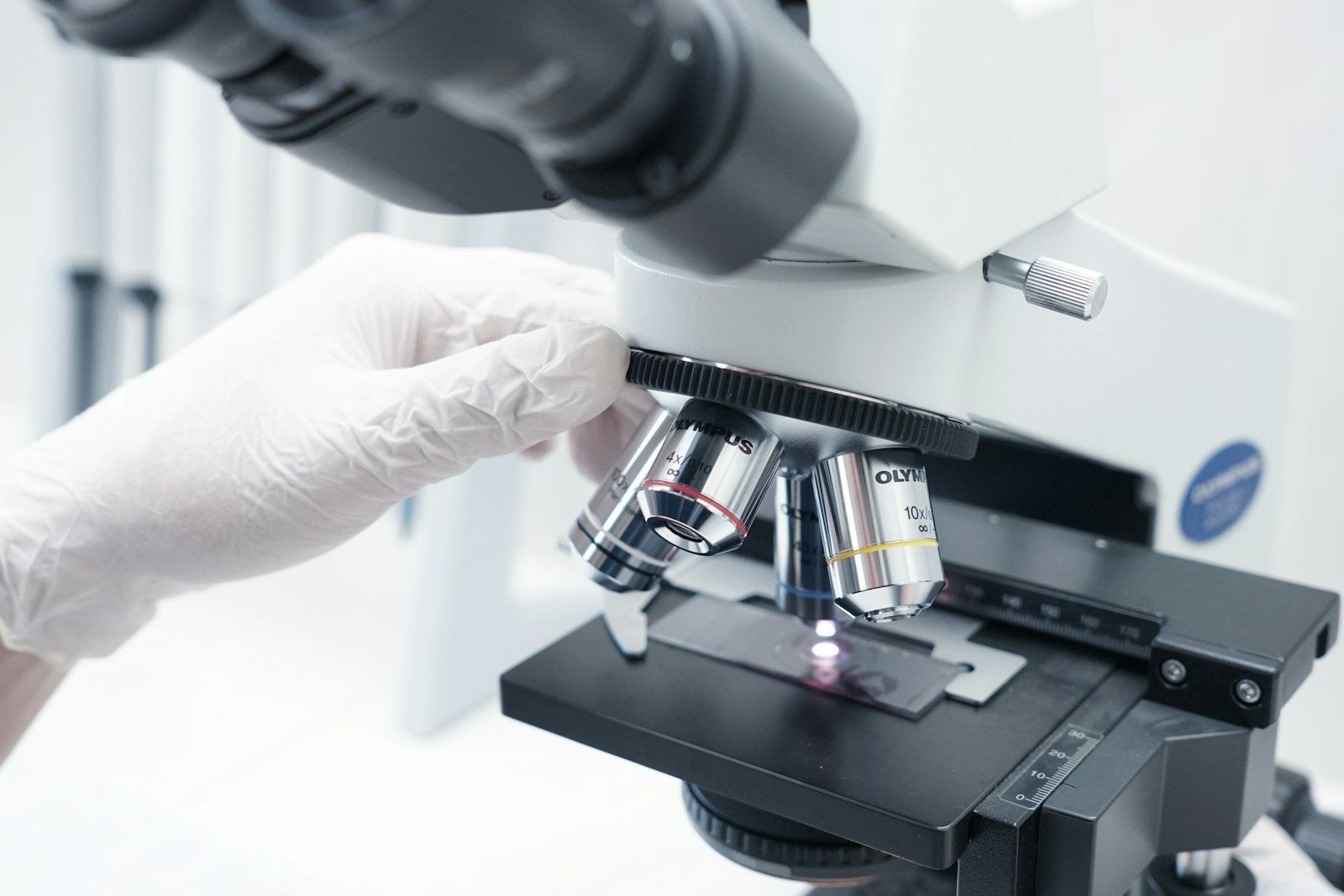
- Culture tests to identify the yeast species and the best medicine
- STI testing to rule out trichomoniasis and other infections
- Blood sugar testing if diabetes is a possibility
Longer-Term Treatment Strategies
- Extended treatment: a longer initial course to fully clear the infection.
- Maintenance therapy: regular low-dose medicine for several months to prevent recurrence.
- Targeted medicines for resistant species.
Everyday Habits That Help
- Skip douching and scented washes
- Wear breathable underwear and change out of damp clothing
- Use condoms, which can reduce BV recurrence
- Take antibiotics only when truly needed
Getting the Right Help
Recurrent infections deserve a proper investigation, not just another prescription. An English-speaking OB-GYN can test thoroughly and build a prevention plan with you.
Frequently Asked Questions
Why does my BV keep coming back after antibiotics?
BV recurs often because the vaginal balance is slow to recover; longer or maintenance treatment may be recommended.
Can recurrent yeast infections be a sign of something else?
Sometimes. Diabetes, antibiotic use or a less common yeast type can be involved, so testing is useful.
Do probiotics help prevent vaginitis?
Evidence is mixed; they may help some women, but they should not replace proper diagnosis and treatment.
Related Guides
- Bacterial Vaginosis (BV) Treatment in Korea: A Foreigner's Guide
- Yeast Infection Treatment in Korea: Symptoms, Medicine & When to See a Doctor
- Vaginal Infection Treatment in Seoul: A Guide for Foreigners
- Vaginal Discharge: What Is Normal and When Should You See a Doctor?
- Complete Guide to Women's Healthcare in Korea for Foreigners
Book an English-Speaking OB-GYN Visit in Gangnam
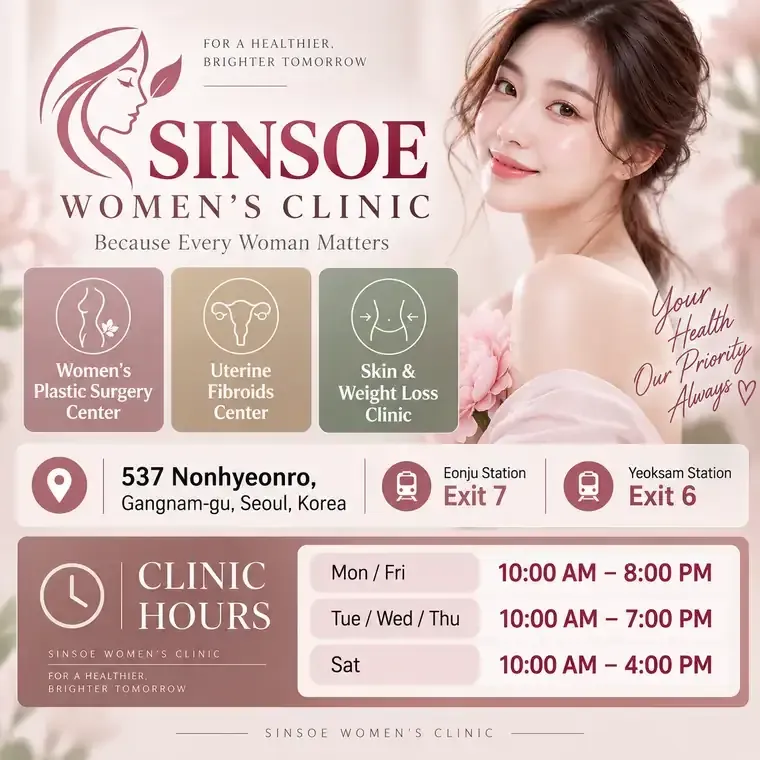
Sinsoe Women's Clinic is a female-led OB-GYN clinic at 537 Nonhyeon-ro, Gangnam-gu, Seoul, a short walk from Eonju Station (Line 9, Exit 7) and Yeoksam Station (Line 2, Exit 6). All physicians are female, board-certified OB-GYNs, and consultations are available in English. Message us on WhatsApp (+82-10-9517-5719) to book.
Hours: Mon & Fri 10:00–20:00 · Tue–Thu 10:00–19:00 · Sat 10:00–16:00 · Closed Sundays
This article is for general information only and is not a substitute for medical advice. Prices and procedures can change — please confirm details directly with the clinic.